News Summary
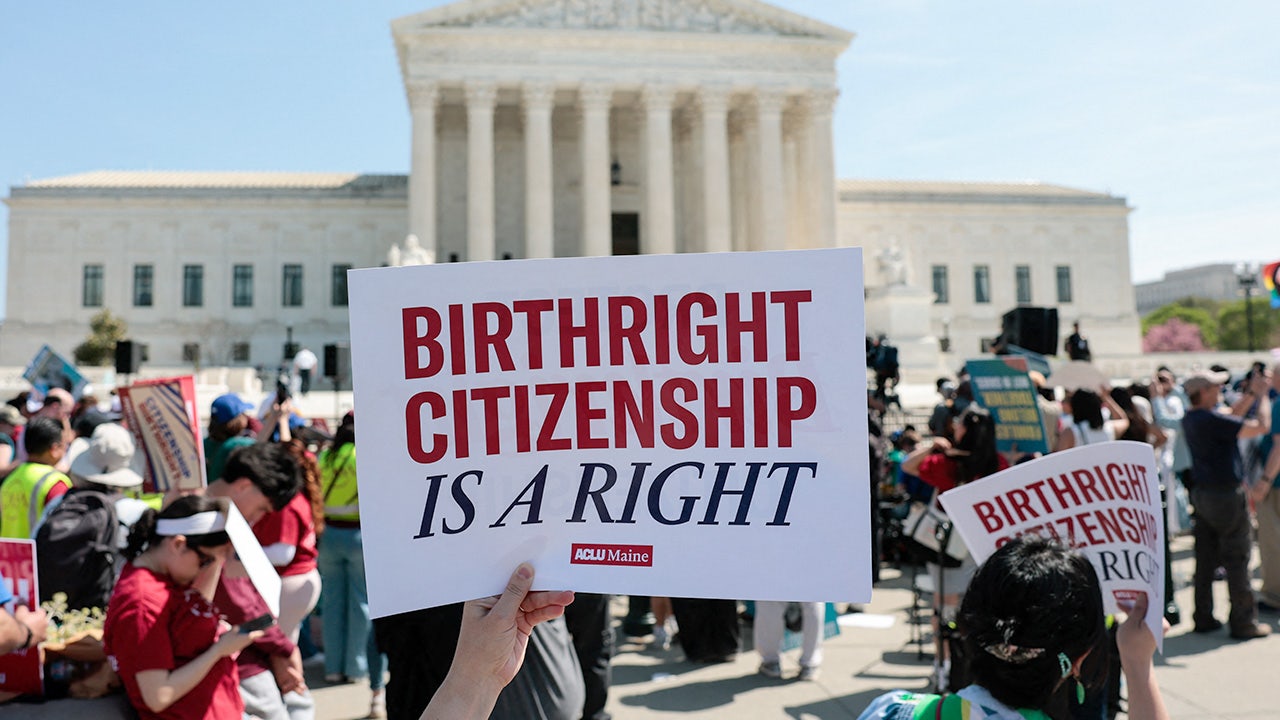
This is an opinion piece responding to the Supreme Court's decision in Trump v. Barbara, which held that children born in the United States to parents who are unlawfully or temporarily present are ‘subject to the jurisdiction’ of the United States and therefore citizens at birth under the Fourteenth Amendment. The author argues that wealthy foreign nationals, corrupt foreign officials, and poorer migrants use birth tourism and U.S. surrogacy arrangements to secure citizenship benefits for children born here, sometimes accessing public benefits and later sponsoring relatives. The piece recommends policy responses: congressional legislation redefining the phrase “subject to the jurisdiction” for citizenship purposes, a constitutional amendment to change the Fourteenth Amendment’s citizenship clause, bans or restrictions on commercial surrogacy, tighter visa adjudication and consular screening (including use of AI and data-sharing), and laws preventing repeat travel by women who previously used U.S. services while having U.S.-born children. The article cites examples and political actors calling for restrictive measures and frames these steps as ways to “mitigate the damage” of the Court’s ruling.
Biblical Reflection
The article raises a legitimate public-policy question — how law and immigration procedures respond to cross-border birth practices — but it does so through alarmist and generalized language that risks stigmatizing people from particular countries and treating children as instruments of policy. Truth-seeking requires distinguishing confirmed patterns of abuse or fraud from anecdote and speculation; policy proposals should be evaluated on evidence, proportionality, and feasibility. From a Christian pastoral perspective, the impulse to protect common goods and national security is understandable, yet it must be balanced with mercy and the dignity of children and mothers. Calls to ban surrogacy or rewrite constitutional citizenship rules would have profound consequences for vulnerable people and families; Christians should insist that reforms avoid collective punishment, protect children's welfare, and preserve justice under the law. Finally, rhetoric that paints whole nationalities or poor migrants as threats can foment fear and division rather than prudent, lawful solutions grounded in compassion and truth.
Scripture in context
This outlook does not yet include contextual Scripture citations. Do not treat a general biblical theme as an exegetical conclusion.
Faithful Response
No prescribed response is offered. Consider the reflection prompts below in your own church context.
Reflection and Discussion
- 1What concrete evidence supports the scale and security-threat claims about birth tourism, and how might that evidence be independently verified?
- 2Who would be most affected by proposed bans on surrogacy or changes to birthright rules, and do those proposals protect or harm children and families?
- 3Are the recommended measures targeted, lawful, and consistent with Christian commitments to justice and hospitality, or do they risk unfairly scapegoating migrants?
Sources
Reporting links are evidence inputs; Sanctuary News' biblical reflection is commentary.
This outlook currently relies on fewer than two linked sources. Broaden verification before teaching from it.
- 1.Original reportprimary