News Summary
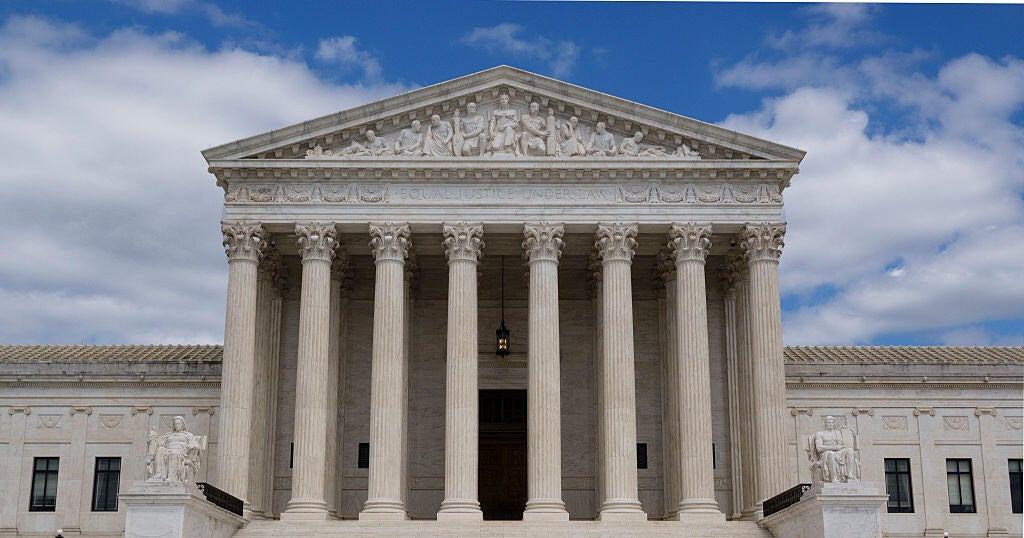
In U.S. v. Hemani (2026) the Supreme Court unanimously ruled that prosecuting Ali Hemani for possessing a firearm solely because he was an unlawful marijuana user was inconsistent with the Second Amendment. The Court issued a narrow decision: it did not strike down the entire federal statute that disallows firearm possession by unlawful drug users, but held the government may not categorically disarm people who use marijuana only occasionally or regularly without evidence that they are dangerous. Justice Neil Gorsuch wrote the opinion; Justices Alito and Kagan filed a concurring opinion. The Court said its ruling does not resolve separate issues about persons who are addicted, presently intoxicated, or otherwise shown to be dangerous, nor does affect other firearms restrictions such as those applying to convicted felons. The federal law at issue carries penalties up to 15 years in prison; the Justice Department estimates about 300 prosecutions under the provision annually. The case arose against a background of widespread state-level marijuana legalization and recent federal actions to reschedule certain marijuana products; both the government and groups across the political spectrum filed briefs (the DOJ and gun-violence-prevention groups supported the law; the ACLU, NRA, and others backed Hemani). The opinion referenced historical-tradition analysis required by the Court’s recent Second Amendment jurisprudence and noted federal and state policy shifts that undercut a blanket presumption that marijuana users are categorically dangerous.
Biblical Reflection
The ruling underscores a biblical tension between guarding legitimate civil rights and protecting the common good. Objectively, the Court limited a government claim that a broad category of people can be disarmed without individualized evidence of dangerousness; that protects constitutional liberty and prevents sweeping assumptions about a large group. At the same time, public safety concerns remain valid: the decision leaves space for restrictions where drug use demonstrably creates danger. The article fairly reports facts and quotes from both sides, but it assumes readers understand legal doctrines (historical-tradition tests) and the policy context of state legalization and federal rescheduling; those background changes shaped the Court’s thinking and should not be overlooked. From a pastoral perspective, Christians should welcome careful legal protection against unjust collective judgment while also insisting on measures that protect neighbors from real harm. Beware of two errors: stigmatizing all who use drugs as dangerous, and treating legal victories as a license to ignore community safety and care for those with substance problems. The Christian response blends truth (accurate, individualized assessment), mercy (care and rehabilitation for those struggling), humility (recognizing limits of our judgments), and courage (advocating both rights and protections where needed).
Scripture in context
This outlook does not yet include contextual Scripture citations. Do not treat a general biblical theme as an exegetical conclusion.
Faithful Response
No prescribed response is offered. Consider the reflection prompts below in your own church context.
Reflection and Discussion
- 1What assumptions about danger and criminality does this ruling challenge, and where might courts still rightly require concrete proof of risk?
- 2How should Christians balance defending civil liberties with advocating for community safety and care for people with substance-use problems?
- 3Whose voices and vulnerabilities are most likely to be overlooked when laws treat large groups categorically rather than assessing individuals?
Sources
Reporting links are evidence inputs; Sanctuary News' biblical reflection is commentary.
This outlook currently relies on fewer than two linked sources. Broaden verification before teaching from it.
- 1.Original reportprimary