News Summary
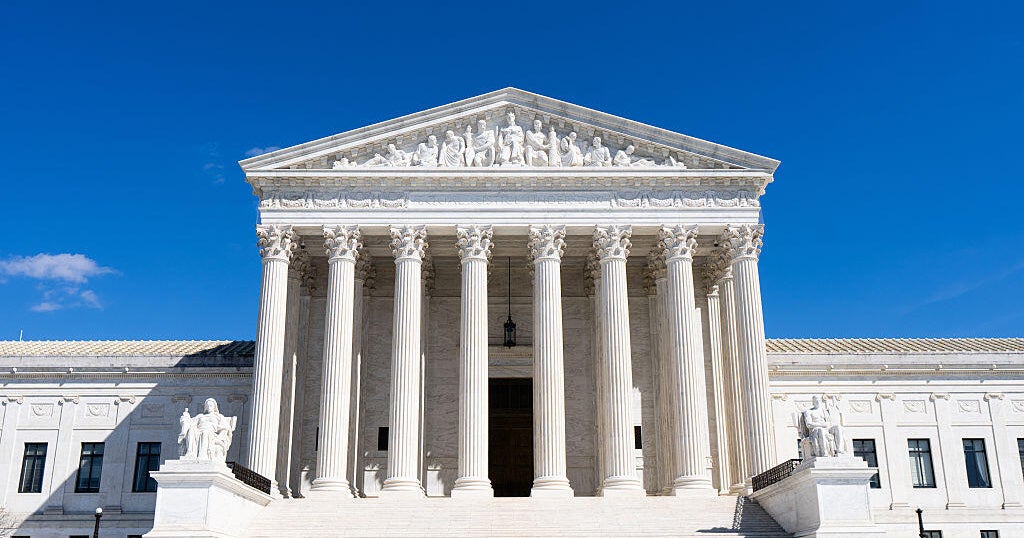
The U.S. Supreme Court issued a unanimous decision in Cox Communications, Inc. v. Sony Music Entertainment, ruling that internet service provider Cox Communications cannot be held liable for copyright infringement committed by its subscribers unless Cox intended the service to be used for infringement. The case was brought in 2018 by Sony and other recording and publishing companies, which alleged Cox was responsible for willful infringement of more than 10,000 copyrighted works because it continued to provide service to subscribers who downloaded and shared music without permission. A jury initially awarded the music companies $1 billion. The U.S. Court of Appeals for the 4th Circuit had previously upheld part of the jury verdict on liability but set aside the damages award and ordered a new trial on damages. In the Supreme Court majority opinion, Justice Clarence Thomas wrote that a provider is liable only if it intended to facilitate infringement; he noted Cox took measures such as sending warnings, suspending service, and terminating accounts. Justices Sonia Sotomayor and Ketanji Brown Jackson concurred in the judgment but offered different reasoning, concluding plaintiffs could not prove the requisite intent under an aiding-and-abetting theory. The decision reverses the appeals-court ruling that had allowed broader secondary liability. The Trump administration filed a brief supporting Cox.
Biblical Reflection
From a Christian perspective this ruling raises two related concerns: respect for property rights and the sober limits of legal culpability. Scripture affirms the value of another's labor and goods, so unauthorized taking of creative work (piracy) is morally wrong. At the same time, civil law must set clear rules about when third parties bear legal responsibility for others' wrongdoing. The Court emphasized intent as a limiting principle to avoid expanding secondary liability beyond established precedent; that reflects a legal prudence that prevents on-the-spot moral judgments from becoming sweeping corporate punishments. Media coverage may simplify the outcome into slogans—"tech wins" or "artists lose"—but the decision is narrower: it addresses when an intermediary's conduct crosses into legally culpable assistance. Readers should note two competing worldviews in the debate: one that centers protection of creators' property and another that centers functional neutrality of platforms and innovation. Biblical truth calls Christians to defend just compensation for labor while also honoring fair and measured administration of justice. Be careful not to equate a legal ruling about liability standards with a moral vindication of piracy; the law’s boundaries do not remove the ethical duty to respect others' work.
Scripture in context
This outlook does not yet include contextual Scripture citations. Do not treat a general biblical theme as an exegetical conclusion.
Faithful Response
No prescribed response is offered. Consider the reflection prompts below in your own church context.
Reflection and Discussion
- 1Does the way media outlets frame the ruling emphasize legal technicalities or moral harms, and how does that shape your immediate judgment about who is "right"?
- 2Which values are being prioritized in this dispute—protection of creators' property or limits on holding intermediaries responsible—and how should Christians weigh those values?
- 3Are we conflating a court’s narrow legal holding about intent and liability with a broader moral endorsement of a practice (like piracy)?
Sources
Reporting links are evidence inputs; Sanctuary News' biblical reflection is commentary.
This outlook currently relies on fewer than two linked sources. Broaden verification before teaching from it.
- 1.Original reportprimary