News Summary
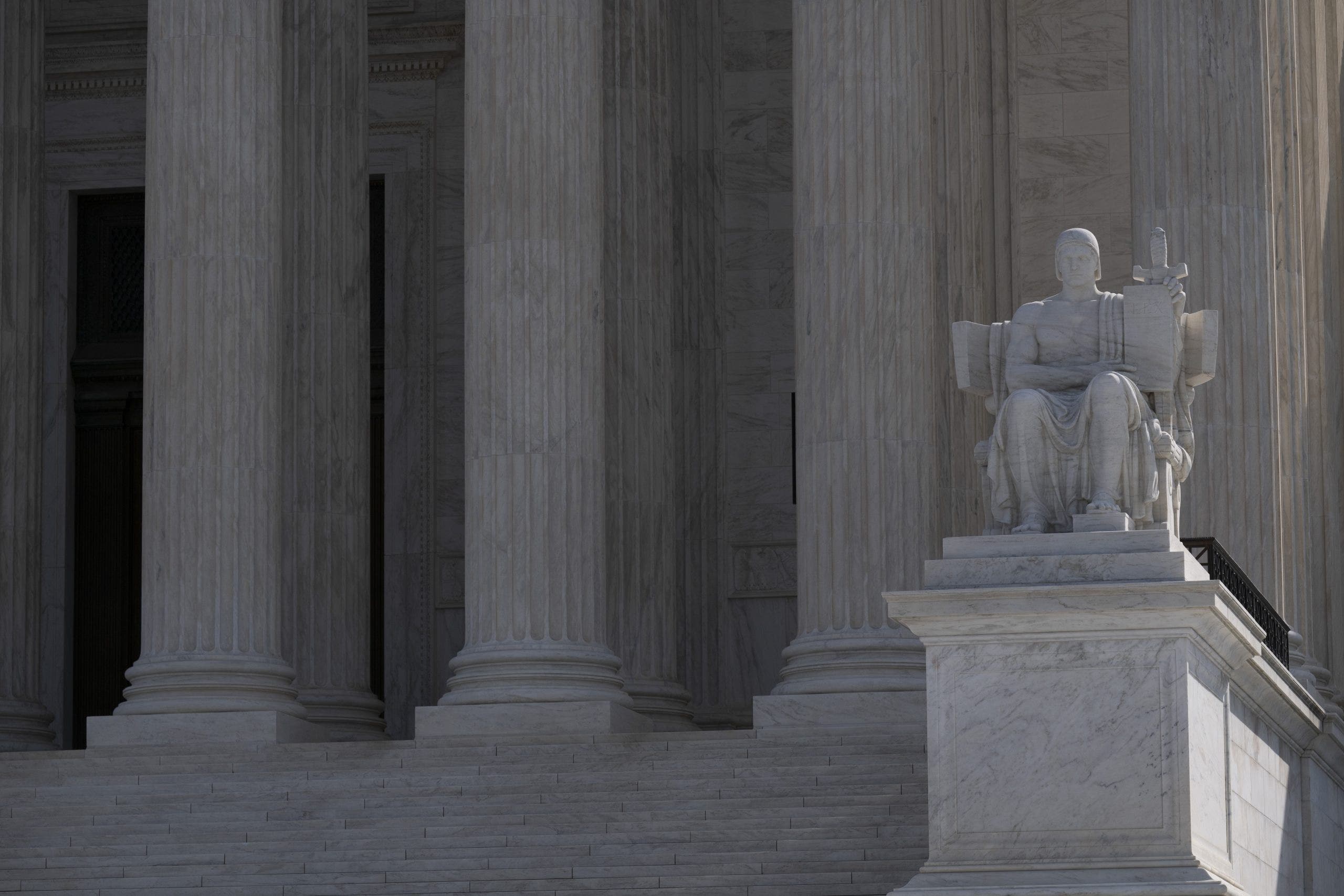
In Chevron USA Inc. v. Plaquemines Parish, the U.S. Supreme Court held that the lawsuit brought by Plaquemines Parish falls within the federal officer removal statute, permitting Chevron to remove the case from Louisiana state court to federal court. The justices vacated the lower court decision that had kept the case in state court and remanded the matter for further proceedings. The ruling concerns jurisdictional procedure (whether the case may proceed in federal court), not a merits determination on environmental liability. The report notes the story is developing.
Biblical Reflection
From a Christian perspective, this decision highlights tensions between legal procedure, corporate power, and local communities seeking accountability for environmental harm. The article is short and procedural: it reports a jurisdictional ruling favoring Chevron without discussing the underlying environmental claims, the parish’s harms, or the law’s practical impact on affected people and creation. That limited framing can implicitly center institutional and corporate perspectives while minimizing the experiences of communities and the responsibility of stewards of creation. Biblically, Christians are called both to seek justice for the vulnerable and to exercise wise stewardship of God’s creation (Micah 6:8; Genesis 2:15). A court ruling about venue does not resolve moral questions about responsibility or repair; Christians should be cautious about equating a procedural legal win with moral vindication. Also be attentive to media economy: short wire items often simplify complex legal doctrines, so readers should avoid assuming the ruling settles substantive fault or absolves parties of ethical obligation. Pray for clarity, truth in adjudication, and justice for those affected, while holding companies and governments accountable to care for people and creation.
Scripture in context
This outlook does not yet include contextual Scripture citations. Do not treat a general biblical theme as an exegetical conclusion.
Faithful Response
No prescribed response is offered. Consider the reflection prompts below in your own church context.
Reflection and Discussion
- 1Whose voices and harms are missing from this procedural report, and how does that omission shape our perception of what justice requires?
- 2Does emphasizing a corporate legal victory obscure ongoing moral and practical responsibilities to communities and creation?
- 3How should Christians distinguish between legal outcomes and moral accountability when assessing public reports like this?
Sources
Reporting links are evidence inputs; Sanctuary News' biblical reflection is commentary.
This outlook currently relies on fewer than two linked sources. Broaden verification before teaching from it.
- 1.Original reportprimary