News Summary
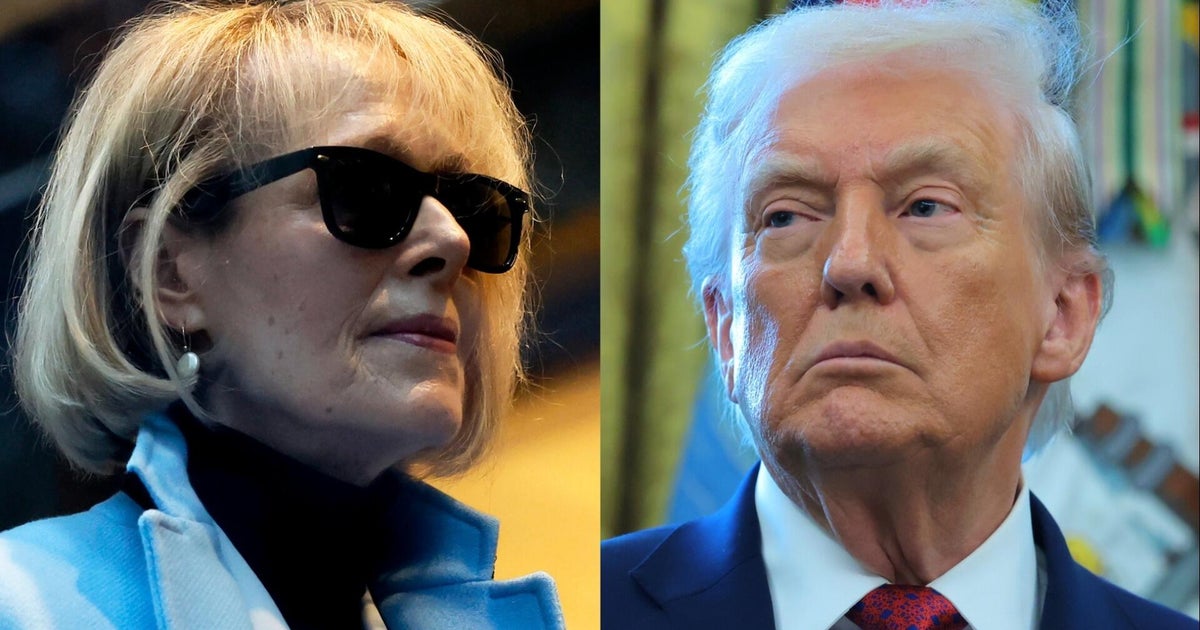
On June 29, 2026, the U.S. Supreme Court declined to hear former President Donald Trump's appeal of a 2023 federal civil jury verdict in favor of writer E. Jean Carroll. A federal jury previously found, by a preponderance of the evidence, that Trump sexually abused Carroll during a mid-1990s encounter in a New York City department store and awarded her $5 million; Trump did not attend that 2023 trial and his team called no witnesses. Separately, a January 2024 federal jury found Trump liable for additional defamatory statements against Carroll and awarded her $83 million; Trump sought Supreme Court review of both cases. Trump argued on appeal that Carroll's claims were implausible and challenged the trial judge’s decision to admit testimony from other women alleging similar conduct. Carroll urged the Court to decline review, and the Second Circuit had already denied Trump’s appeal in December 2024 and refused en banc review in June 2025. Trial evidence included testimony from other women, witnesses who said Carroll confided in them after the incident, and a clip from the Access Hollywood tape. The jury rejected Carroll’s rape claim, though the trial judge later wrote that the finding of liability for forceful insertion of fingers amounted to an implicit determination of digital rape. The Supreme Court refusal leaves the lower-court civil judgments intact.
Biblical Reflection
From a Christian perspective, this is primarily a legal resolution, not a criminal conviction, and it highlights both the limits and the work of civil justice. The verdict was reached under the civil standard of 'preponderance of evidence,' not the criminal standard of 'beyond a reasonable doubt,' which matters for how we interpret outcome and culpability. The reporting centers on a high-profile figure, which invites partisan reaction and moral grandstanding; Christians should resist deriving identity or moral certainty from political wins or losses. At the same time, Scripture calls us to care for the vulnerable and to pursue justice — that includes listening to survivors seriously, supporting fair legal processes, and seeking truthful accountability. Be wary of media frames that reduce people to symbols (victim, villain, martyr) rather than treating them as persons made in God’s image. Practice mercy without excusing wrongdoing and pursue truth without dehumanizing those you disagree with. Finally, recognize the pastoral need: both survivors and the accused’s supporters are souls who need compassion, repentance, and honest reckoning rather than tribal triumphalism.
Scripture in context
This outlook does not yet include contextual Scripture citations. Do not treat a general biblical theme as an exegetical conclusion.
Faithful Response
No prescribed response is offered. Consider the reflection prompts below in your own church context.
Reflection and Discussion
- 1How does knowing this was a civil ruling by a jury under the 'preponderance of evidence' standard change the way you interpret the outcome?
- 2Am I responding to the story because of its concrete legal implications, or because it aligns with my political identity?
- 3Where does my first call for compassion lie: with the alleged victim, the accused, or the larger community, and what does faithful love require in each case?
Sources
Reporting links are evidence inputs; Sanctuary News' biblical reflection is commentary.
This outlook currently relies on fewer than two linked sources. Broaden verification before teaching from it.
- 1.Original reportprimary