News Summary
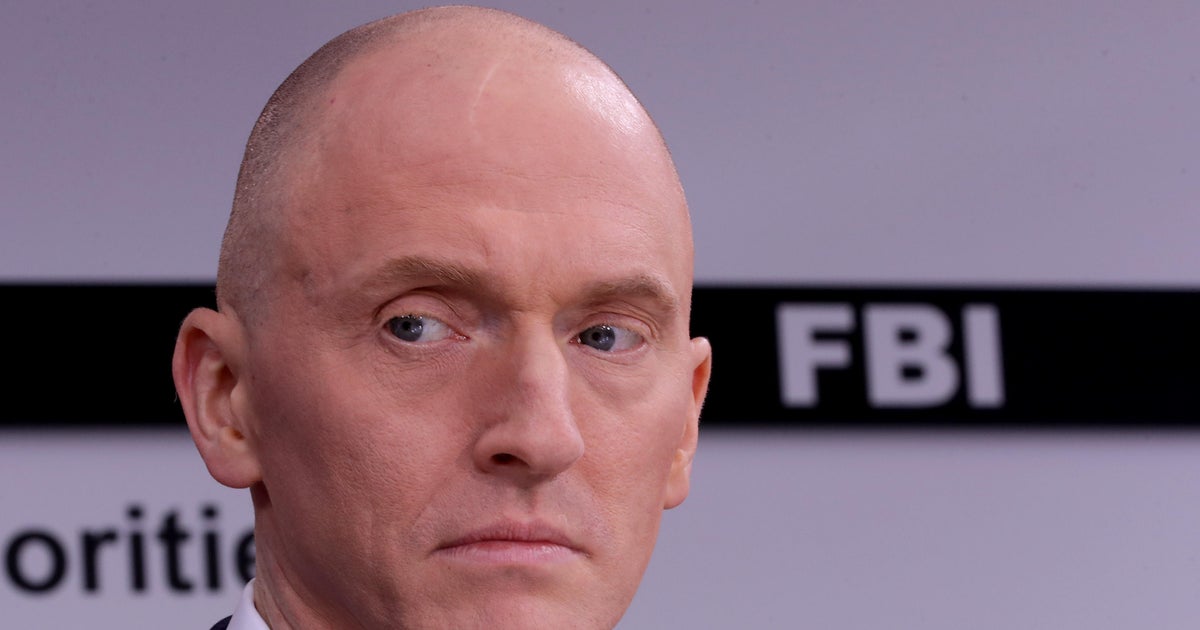
On June 15, 2026, the U.S. Supreme Court declined to revive Carter Page's appeal of a lawsuit against the Justice Department, the FBI and eight named FBI officials, including former FBI Director James Comey. In April the Justice Department reached a $1.25 million settlement with Page covering only his claims against the federal government and only under the PATRIOT Act; the settlement did not include claims against individual FBI officials nor claims under the Foreign Intelligence Surveillance Act (FISA). Page was targeted by four FISA warrants (one in October 2016 and three in 2017) during the FBI's probe of Russian election interference. The Justice Department Inspector General reported 17 significant errors and omissions in the initial FISA application and renewals, noting heavy reliance on the Steele dossier; the FBI later acknowledged it should have ended surveillance of Page earlier. Page filed suit in November 2020 alleging the FISA applications were false and misleading. In 2022 U.S. District Judge Dabney L. Friedrich dismissed the lawsuit, and the D.C. Circuit affirmed in 2024, finding the statute of limitations barred Page's claims against federal entities and personnel. The Supreme Court's denial leaves the lower-court rulings and the April settlement as the current resolution of Page's claims.
Biblical Reflection
This report is a straightforward account of a legal dispute that raises broader questions about governmental power, institutional accountability, and the limits of legal remedies. The facts reported — errors found by the inspector general, a limited government settlement, and dismissal of individual claims on statute-of-limitations grounds — underline two realities: (1) governmental processes can harm individuals even where institutions are acting in a security context, and (2) legal and procedural barriers often prevent full redress. From a Christian perspective, the story calls us to insist on truthful investigation and accountable governance while resisting partisan rushes to condemn or to exonerate without careful evidence. It also invites humility: settlements do not always equal admissions, judicial dismissals do not always mean moral innocence, and institutional failure can coexist with sincere public-safety motives. Christians should advocate for systems that protect the vulnerable and the common good — including reforms that strengthen transparency, oversight, and timely remedies — and practice mercy toward individuals harmed by institutional error without excusing wrongdoing.
Scripture in context
This outlook does not yet include contextual Scripture citations. Do not treat a general biblical theme as an exegetical conclusion.
Faithful Response
No prescribed response is offered. Consider the reflection prompts below in your own church context.
Reflection and Discussion
- 1Does a government settlement or an inspector general report fully resolve questions of institutional responsibility, or does it leave structural issues unaddressed?
- 2How should Christians weigh legitimate national-security needs against the obligation to protect individual civil liberties and reputations?
- 3When legal technicalities close a case, what steps should communities and leaders pursue to prevent similar harms in the future?
Sources
Reporting links are evidence inputs; Sanctuary News' biblical reflection is commentary.
This outlook currently relies on fewer than two linked sources. Broaden verification before teaching from it.
- 1.Original reportprimary