News Summary
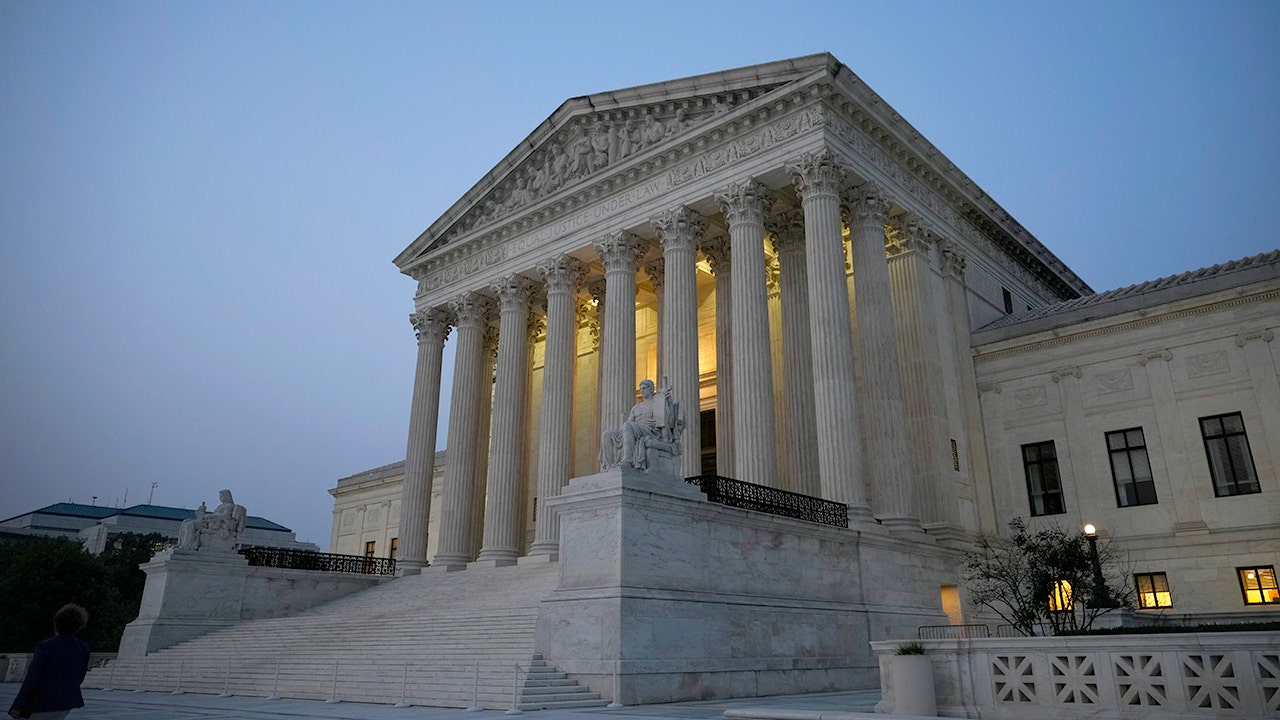
The article reports on a U.S. Supreme Court decision that limits the use of race in congressional redistricting and narrows how the Voting Rights Act (VRA) can be applied. The Court’s majority opinion, written by Justice Samuel Alito, set a higher standard for proving violations of the VRA by requiring that circumstances give rise to a strong inference of intentional racial discrimination. In the specific Louisiana case discussed, the Court found that the state’s map—creating a second majority-Black congressional district—violated the Constitution under the Court’s analysis. All six conservative justices joined the majority; the three liberal justices dissented. Commentators cited in the article say the ruling could reduce the creation of majority-Black districts, endanger some longtime Black incumbents in safe districts, and reshape pathways for rising Black politicians in the South. The piece places the decision in recent judicial context (including prior rulings on affirmative action and other long-standing precedents) and includes opinion that the ruling significantly limits the VRA’s prior application.
Biblical Reflection
From a Christian perspective, this ruling raises important spiritual and moral questions about justice, representation, and how societies protect the vulnerable. Scripture calls God’s people to pursue justice for the oppressed (Isaiah 1:17; Micah 6:8). Historically, the Voting Rights Act sought to remedy structural exclusion that denied Black Americans political voice; narrowing legal remedies may make it harder to address continuing disparities in political power. At the same time, legal reasoning about intent and the limits of race-based decision-making reflects a concern for equal treatment under law. Christians should notice two parallel truths: the need to resist systemic injustice that silences marginalized neighbors, and the need to uphold principles that protect all people from discriminatory categorizations. The article’s framing sometimes uses charged language (e.g., “gut” or “dead”), which signals advocacy as much as neutral reporting; readers should distinguish between descriptive facts of the ruling and evaluative commentary about its consequences. In responding, Christians should avoid partisan triumphalism or despair. Instead, pursue faithful civic engagement that seeks the common good—advocating policies, institutions, and local practices that give voice to the marginalized, foster honest civic deliberation, and align with biblical justice and love of neighbor.
Scripture in context
This outlook does not yet include contextual Scripture citations. Do not treat a general biblical theme as an exegetical conclusion.
Faithful Response
No prescribed response is offered. Consider the reflection prompts below in your own church context.
Reflection and Discussion
- 1How does the article’s language (words like “gut” or “dead”) shape your emotional response compared with the legal specifics it describes? Where might advocacy and reporting be mixing?
- 2If courts narrow one legal tool for addressing racial inequality, what other institutions (churches, local government, civic organizations) should Christians engage to protect political voice for marginalized communities?
- 3Do you see a tension between color-conscious remedies intended to correct historical exclusion and biblical commitments to impartial justice? How should that tension shape Christian civic reasoning?
Sources
Reporting links are evidence inputs; Sanctuary News' biblical reflection is commentary.
This outlook currently relies on fewer than two linked sources. Broaden verification before teaching from it.
- 1.Original reportprimary