News Summary
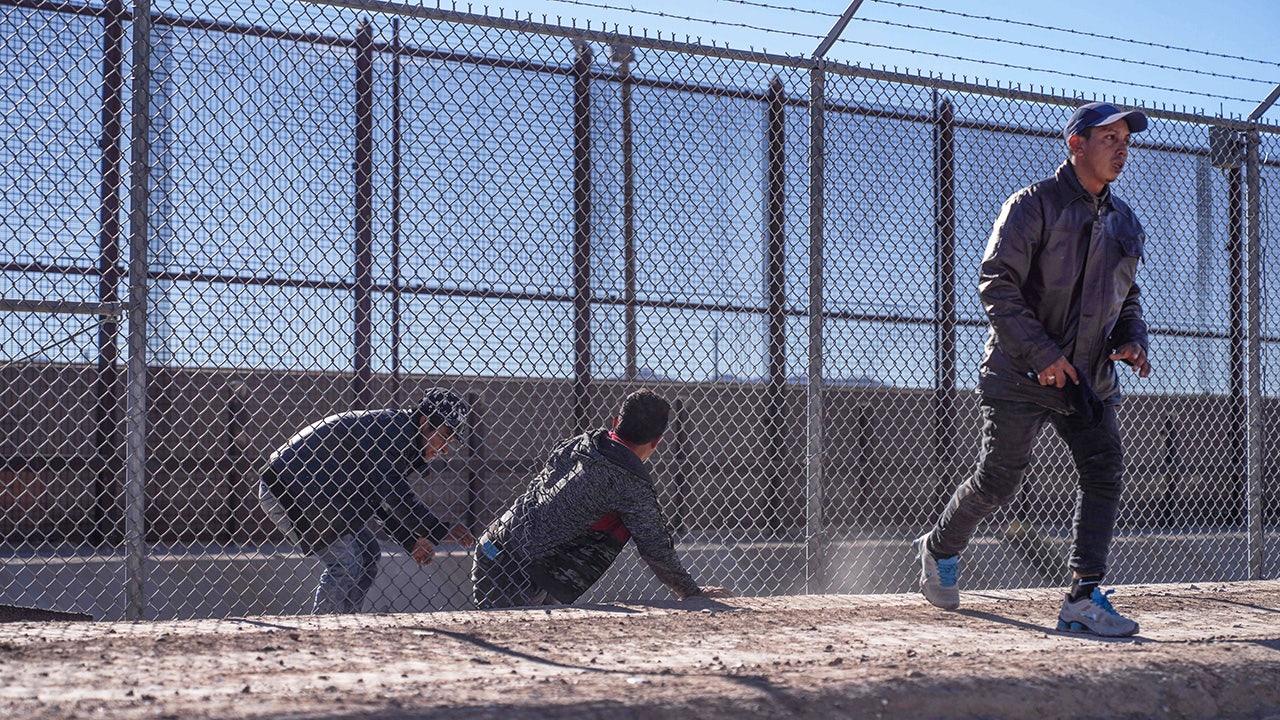
The U.S. Supreme Court issued decisions favorable to the Trump administration on immigration policy. In Mullin v. Al Otro Lado, the Court ruled 6-3 that migrants must physically set foot inside the United States to be eligible to apply for asylum, reversing lower-court rulings that had required the government to process certain asylum seekers turned away at ports of entry (a practice called metering). The majority opinion, written by Justice Samuel Alito, held that delayed admission at a port of entry does not permanently bar asylum but that illegal entry carries criminal and legal consequences that can make asylum less attractive than attempting entry at an illegal location. Justice Sonia Sotomayor and two other dissenters argued the decision could create a perverse incentive for migrants to cross between ports of entry and cited government reports finding metering had previously driven some migrants to illegal crossings. The decisions were hailed by the Department of Homeland Security and immigration enforcement advocates; critics, including immigrant-rights groups, warned of potential increases in illegal crossings and harm to vulnerable asylum seekers. The article also frames the rulings as part of broader Supreme Court support for executive power over temporary protected status and border admissions, though details in the piece focus primarily on the asylum ruling.
Biblical Reflection
The ruling advances a legal interpretation prioritizing enforcement and clear lines of admission, but it raises moral and practical questions Christians should weigh. The majority emphasizes sovereign authority and deterrence; dissenters point to foreseeable harms that may push desperate people into more dangerous, unlawful routes. The article’s framing leans toward law-and-order perspectives, with voices from conservative advocates foregrounded and limited direct reporting on migrants’ circumstances. Truth-seeking requires attention to both rule-of-law concerns and the lived vulnerability of asylum seekers: biblical witness calls for just governance that protects communities while showing mercy to the stranger. Christians should be wary of narratives that treat policy wins as purely partisan triumphs without accounting for human consequences, and should press for measures that uphold legal integrity while mitigating foreseeable harm to the defenseless.
Scripture in context
This outlook does not yet include contextual Scripture citations. Do not treat a general biblical theme as an exegetical conclusion.
Faithful Response
No prescribed response is offered. Consider the reflection prompts below in your own church context.
Reflection and Discussion
- 1Does the policy reduce genuine pathways for people fleeing persecution, and what practical incentives does it create for risky behavior?
- 2Whose voices are centered in this coverage — enforcement officials, judges, or the asylum seekers themselves — and how does that shape our understanding?
- 3How can leaders balance legitimate border-security concerns with the moral obligation to care for strangers and those in real danger?
Sources
Reporting links are evidence inputs; Sanctuary News' biblical reflection is commentary.
This outlook currently relies on fewer than two linked sources. Broaden verification before teaching from it.
- 1.Original reportprimary