News Summary
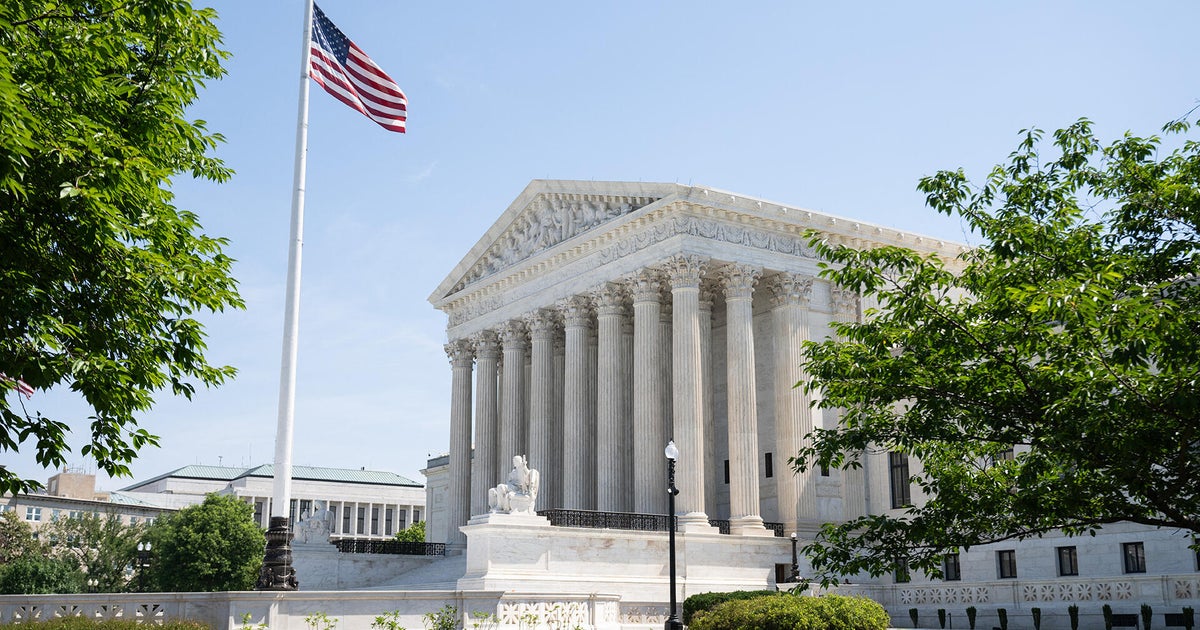
The U.S. Supreme Court declined an emergency request from the Trump administration to allow the president to remove Shira Perlmutter from her position as register of copyrights, leaving in place a federal appeals court order that restored her to the job. Perlmutter had been removed a day after releasing a report to Congress about artificial intelligence and copyright. President Trump earlier removed Librarian of Congress Carla Hayden and directed a temporary replacement, Todd Blanche, to remove Perlmutter. Perlmutter sued, arguing that the librarian of Congress and the register of copyrights are legislative-branch officers and that the president lacked authority to name an acting librarian who then removed her. A U.S. district court denied her request to stay her removal, but a divided D.C. Circuit panel restored her pending litigation. In concurring comments, two judges said the president’s actions risked unconstitutional interference with a legislative-branch official advising Congress. The administration argued the librarian and register are executive officers, while Perlmutter’s lawyers said the Library is part of the legislative branch and that the acting appointment was unlawful. The Supreme Court’s brief unsigned order denied emergency relief but said it did not decide the merits of the underlying legal questions. The article notes this decision represents a setback for the administration amid other decisions affecting presidential removal powers and referenced a separate case involving Fed Governor Lisa Cook.
Biblical Reflection
From a Christian perspective this story raises questions about respect for lawful institutions, the proper limits of authority, and the protection of persons who provide candid counsel to governing bodies. The dispute centers on constitutional checks and balances — whether the executive may displace a legislative-branch adviser — and whether due process and statutory rules for appointments were followed. The article facts point to genuine legal disagreement: the administration frames the issue as executive control of officials, while Perlmutter and the courts that restored her emphasize legislative independence and statutory protections. Christians should be wary of any doctrine of power that excuses bypassing institutions or silencing advisers; Scripture commends justice, accountability, and the wise restraint of rulers. At the same time, avoid taking partisan shortcuts: the rule of law requires careful adjudication, not immediate judgments based on political sympathy. The likely broader impact is on institutional integrity and on whether officials can freely advise Congress on matters like AI and copyright without fear of politically motivated removal. Pray for impartial justice, institutional humility, and the protection of those who serve the common good by providing honest counsel.
Scripture in context
This outlook does not yet include contextual Scripture citations. Do not treat a general biblical theme as an exegetical conclusion.
Faithful Response
No prescribed response is offered. Consider the reflection prompts below in your own church context.
Reflection and Discussion
- 1Are we assessing this dispute by principles of constitutional order and rule of law, or primarily by partisan sympathy for the parties involved?
- 2How does concentrating appointment and removal power in one office affect the ability of legislative bodies to receive independent, candid advice?
- 3What signs should Christians look for to distinguish legitimate exercise of authority from overreach that endangers institutional checks and public trust?
Sources
Reporting links are evidence inputs; Sanctuary News' biblical reflection is commentary.
This outlook currently relies on fewer than two linked sources. Broaden verification before teaching from it.
- 1.Original reportprimary