News Summary
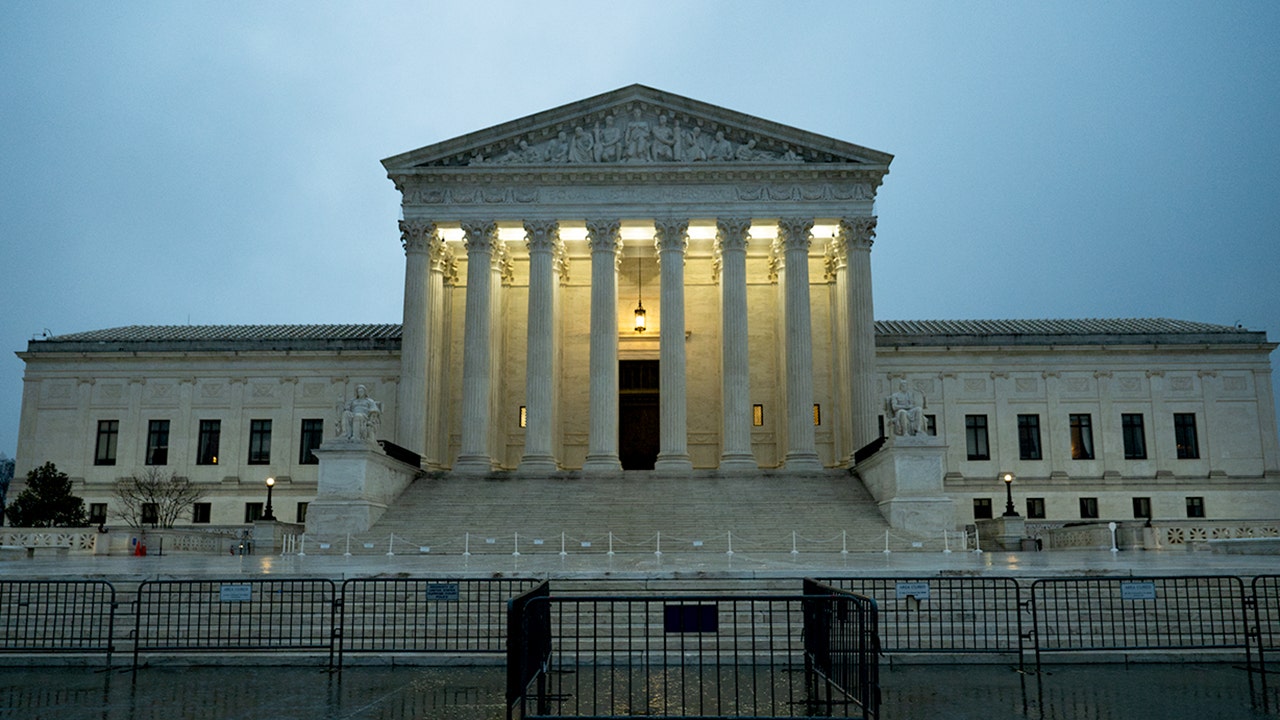
The U.S. Supreme Court extended an administrative stay that prevents enforcement of a lower-court ruling which would have restricted access to the abortion medication mifepristone. The stay preserves current FDA rules that permit telehealth prescribing and mail distribution of mifepristone while the legal challenge continues. Justices Clarence Thomas and Samuel Alito filed dissents from the Court's administrative order. The underlying litigation challenges FDA changes made in 2023 that expanded access by allowing prescribing via telehealth and mailing of the drug; a Fifth Circuit ruling had sought to reinstate prior in-person dispensing requirements. The Supreme Court's action is temporary and leaves the disputed rules in place pending further review in the courts.
Biblical Reflection
This ruling is primarily procedural—an emergency administrative stay that preserves the status quo while courts resolve disputed legal questions. The immediate effect is to keep FDA-authorized access pathways (telehealth prescribing and mail delivery) available for patients. From a Christian, scriptural perspective, there are several intersecting concerns: the rule of law and respect for judicial process; the proper role of scientific and regulatory expertise in public policy; and moral commitments regarding the protection of unborn life and compassionate care for women.
The article reports the Court's action without exploring the deeper factual claims that fuel the litigation: competing safety assessments, claims about coercion, and differing moral frameworks about abortion. Readers should note that legal disputes over administrative agency decisions often hinge on statutory interpretation, administrative procedure, and deference doctrines—not only on empirical questions. Media outlets also vary in emphasis; this piece is a brief report focused on judicial procedure rather than detailed medical or ethical analysis.
Biblically-informed Christian engagement calls for humility, careful attention to truth, and mercy. Christians should want courts to follow established legal processes and for regulatory decisions to be made on sound evidence and transparent procedure (Isaiah 1:17; Micah 6:8). At the same time, the moral weight of policies affecting unborn children and vulnerable women requires clear thinking that resists partisan simplification. The Church's posture should be to seek justice (including legal integrity), advocate for protection of life, and provide compassionate support for women—while allowing lawful institutions and expert bodies to do their work within the constitutional order.
Scripture in context
This outlook does not yet include contextual Scripture citations. Do not treat a general biblical theme as an exegetical conclusion.
Faithful Response
No prescribed response is offered. Consider the reflection prompts below in your own church context.
Reflection and Discussion
- 1What assumptions about science, safety, and authority underlie the legal arguments in this case, and which of those assumptions does the article make explicit or leave unexamined?
- 2How does the temporary preservation of the status quo shape public understanding, and what should Christians look for in the legal record to distinguish procedural rulings from final moral judgments?
- 3In disputes that mix law, medicine, and ethics, whose voices and evidence are being centered or marginalized, and how should that affect how we form our convictions?
Sources
Reporting links are evidence inputs; Sanctuary News' biblical reflection is commentary.
This outlook currently relies on fewer than two linked sources. Broaden verification before teaching from it.
- 1.Original reportprimary