News Summary
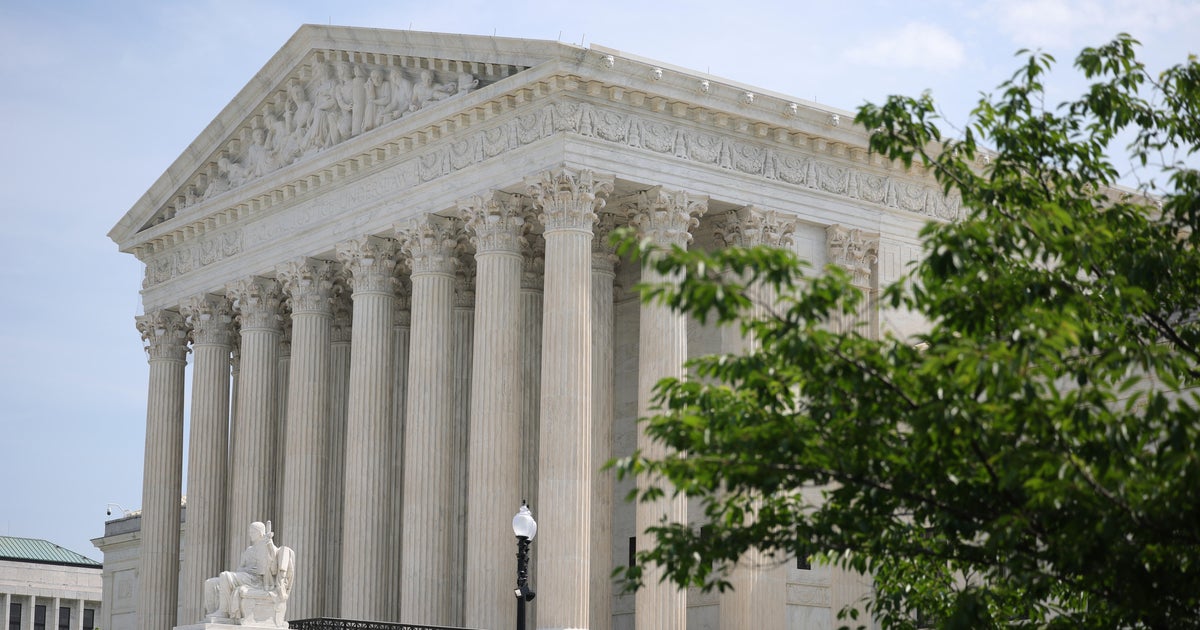
In 2021 a Noblesville High School freshman identified in court filings as E.D. started a Students for Life chapter and sought approval to post meeting flyers that used template images and the slogan “Defund Planned Parenthood.” The school permits student clubs to post flyers in common areas only with administrator approval and prohibits content judged "political" or "disruptive." School officials denied the flyers because of their political wording and instructed that posters include only the club name, date, time and location. The club's approval was briefly suspended over administrator concerns about parental involvement and noncompliance; the club was later reinstated and remained active. E.D., her parents, and the club sued the school claiming a First Amendment violation. A federal district court applied the Supreme Court’s 1988 Hazelwood decision and ruled for the school, finding the posters could reasonably be perceived as bearing the school’s endorsement. The 7th U.S. Circuit Court of Appeals upheld that ruling, emphasizing the school’s authority to control use of school walls and to maintain neutrality on political controversies. The Supreme Court declined to hear the case, leaving the lower-court rulings intact; Justice Samuel Alito filed a dissent arguing the Court should clarify how Hazelwood relates to other government-speech precedents. The Alliance Defending Freedom represented the student in the appeal; the school argued students could express views by other means but were not entitled to use school walls for political messages.
Biblical Reflection
This dispute spotlights a recurring institutional tension: schools seek to preserve an appearance of neutrality and an environment focused on learning, while some students and advocacy groups press for broad protection of political expression on campus. Objectively, the Supreme Court’s denial does not create a new national precedent; it leaves in place a lower-court application of Hazelwood that privileges school control over certain on-campus displays when those displays could appear to carry the school's imprimatur. The parties' motives are mixed and understandable — administrators aim to avoid perceived endorsement and disruption, and parents/advocates seek to protect conscience and robust speech for young people. Readers should note advocacy framing on both sides: legal advocates warn about censorship or indoctrination, while schools emphasize institutional responsibility and neutrality. From a Christian pastoral perspective, the story raises questions about how institutions steward common spaces, how communities form young consciences, and how Christians practice both courageous witness and respectful neighbor-love in public settings. The decision to leave the lower-court ruling intact is not a final moral judgment about the merits of the message involved, but it strengthens a legal approach that allows schools discretion to limit certain on-campus political messaging to avoid implied endorsement.
Scripture in context
This outlook does not yet include contextual Scripture citations. Do not treat a general biblical theme as an exegetical conclusion.
Faithful Response
No prescribed response is offered. Consider the reflection prompts below in your own church context.
Reflection and Discussion
- 1When public institutions limit political messages on shared property, who is being protected and who may be silenced?
- 2Are concerns about perceived endorsement a legitimate safeguard for pluralism, or can they become a pretext for excluding dissenting voices?
- 3How can Christians model both bold testimony and humility so that public advocacy builds civic flourishing rather than escalating division?
Sources
Reporting links are evidence inputs; Sanctuary News' biblical reflection is commentary.
This outlook currently relies on fewer than two linked sources. Broaden verification before teaching from it.
- 1.Original reportprimary