News Summary
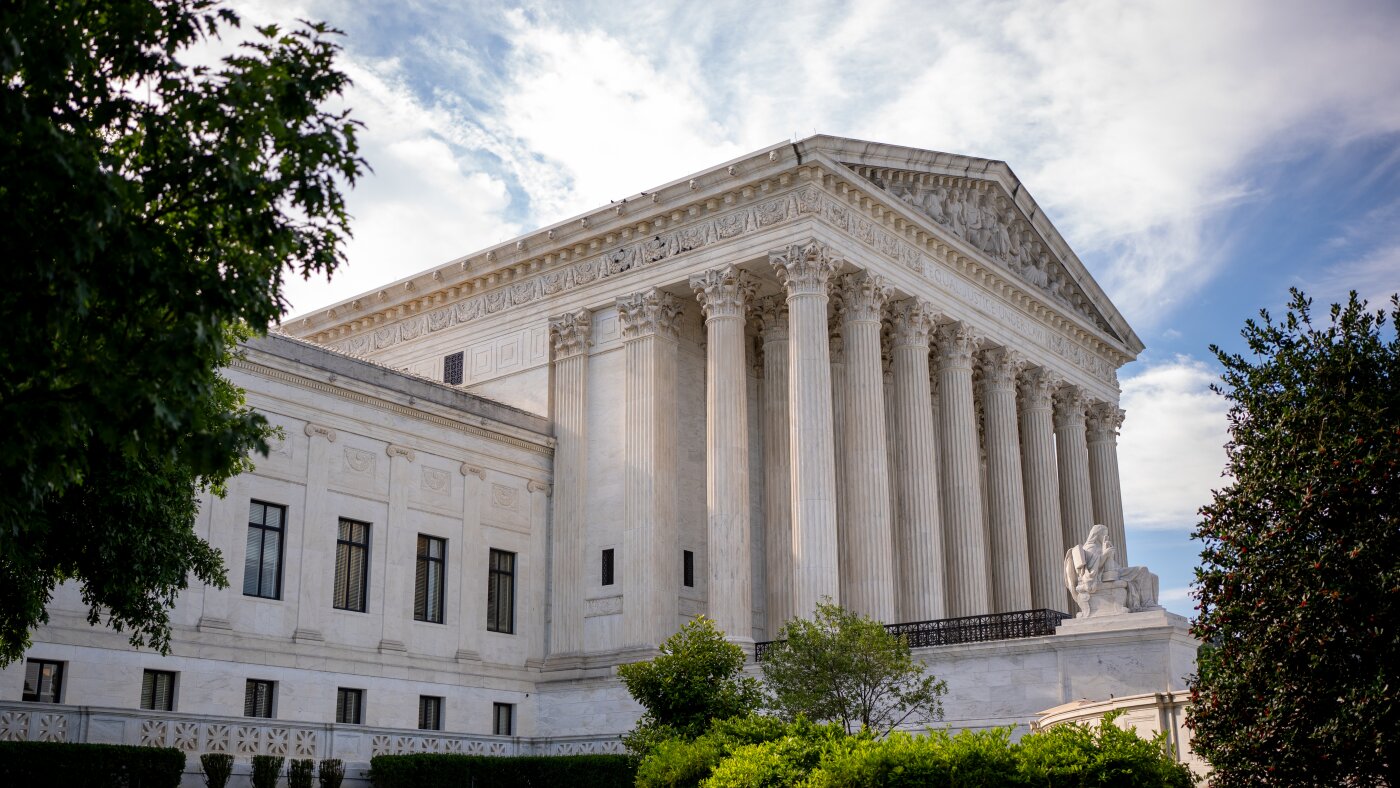
Victor Saldaño, convicted in Texas in 1996 of murder during a robbery, has been evaluated by multiple experts and by the Texas Office of Capital Forensic Writs as meeting criteria for intellectual disability (reports cite an IQ of 74 and testimony from people who knew him in Argentina). Prosecutors for the state of Texas later agreed he should be ineligible for execution on that basis. The Texas Court of Criminal Appeals rejected the claim, and Saldaño's lawyers sought review from the U.S. Supreme Court. On Monday the Supreme Court declined to hear the case by a 6-3 vote, with the three liberal justices dissenting; the refusal leaves in place the state-court ruling and makes Saldaño likely to be executed. Saldaño’s lawyers said they will continue legal efforts to prevent his execution.
Biblical Reflection
The article reports a legal development with profound moral implications: whether a person found by experts to be intellectually disabled can be executed under current procedures. The reporting emphasizes expert agreement that Saldaño meets intellectual-disability criteria and notes the state’s shift in position, but it does not fully explain the legal reasons the Texas court rejected the claim (for example, procedural default or evidentiary standards). That omission can shape reader judgment by focusing on expert consensus rather than the legal technicalities that often determine access to review. From a Christian perspective, this story raises tensions between justice under law and compassion for vulnerable people. Scripture and Christian ethics call for the protection of those who cannot fully protect themselves and for fair, humane treatment—even of those convicted of violent crimes. At the same time, Christians should respect lawful processes while also advocating for reforms when procedures consistently block the fair adjudication of rights. The article invites us to ask whether the legal system is adequately safeguarding the dignity and rights of the mentally vulnerable, whether procedural rules are being applied in ways that frustrate substantive justice, and how Christians should respond—balancing truth, mercy, and a commitment to community safety.
Scripture in context
This outlook does not yet include contextual Scripture citations. Do not treat a general biblical theme as an exegetical conclusion.
Faithful Response
No prescribed response is offered. Consider the reflection prompts below in your own church context.
Reflection and Discussion
- 1Are legal technicalities being prioritized over a fair determination of a person's mental capacity, and if so, what does that say about our commitment to justice?
- 2How does this case challenge Christians to hold both victims' needs and the humane treatment of the accused in tension?
- 3Does the reporting make clear the legal reasons the state court denied relief, or does it steer the reader toward an emotional judgment based on expert agreement?
Sources
Reporting links are evidence inputs; Sanctuary News' biblical reflection is commentary.
This outlook currently relies on fewer than two linked sources. Broaden verification before teaching from it.
- 1.Original reportprimary