News Summary
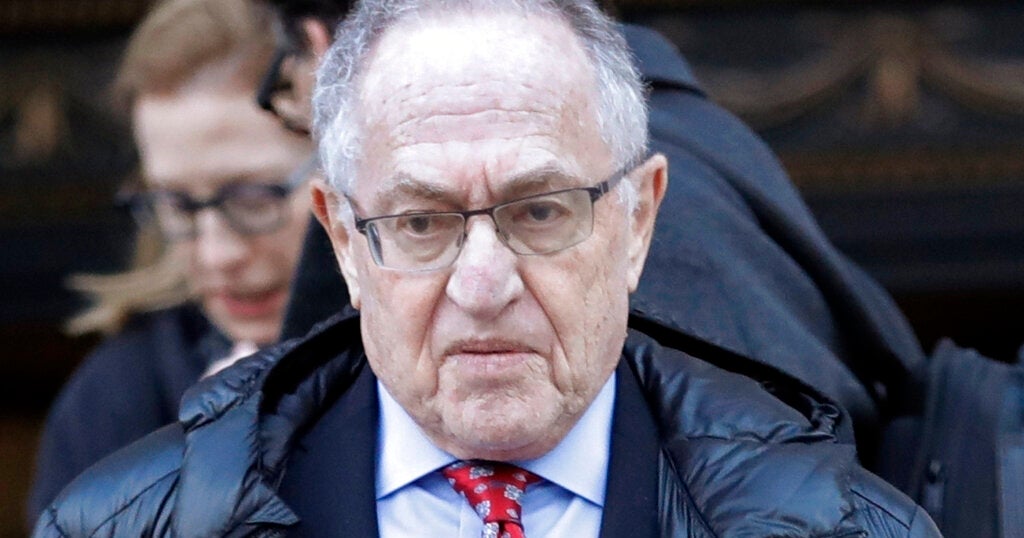
On June 29, 2026, the U.S. Supreme Court declined to hear Alan Dershowitz's appeal of a defamation suit against CNN, leaving in place a federal district court ruling and an 11th Circuit affirmation that found Dershowitz could not show actual malice. The suit related to CNN commentary about remarks Dershowitz made while serving on President Trump's legal team during the 2020 impeachment trial; he alleged the network omitted a key portion of his remarks and sought $300 million. CNN argued the coverage was protected opinion or fair interpretation, and warned that overturning New York Times v. Sullivan would harm First Amendment protections. Justices Clarence Thomas and Neil Gorsuch dissented from the Court's decision not to take the case; no other justices signaled willingness to revisit the Sullivan precedent.
Biblical Reflection
This outcome preserves a long-standing legal balance that prioritizes vigorous public debate by keeping a high bar for public-figure defamation claims. The article fairly reports the procedural posture and the competing arguments: Dershowitz's concern about media accountability versus CNN's defense of robust press protections. Christians should value both truth and accountability — false or reckless public statements harm reputations and community trust — while also recognizing the social good of protecting free speech so that vital public discourse is not chilled. The piece reflects the orthodox legal framing of the issue and does not present strong evidence that courts misapplied law here; at the same time it highlights a persistent tension between institutional power (media platforms) and individual reputation that calls for ethical clarity from journalists and humility from public figures alike.
Scripture in context
This outlook does not yet include contextual Scripture citations. Do not treat a general biblical theme as an exegetical conclusion.
Faithful Response
No prescribed response is offered. Consider the reflection prompts below in your own church context.
Reflection and Discussion
- 1Does maintaining the 'actual malice' standard better protect the common good of open debate, or does it leave individuals without adequate redress for serious misrepresentation?
- 2When coverage is labeled commentary, how do we discern whether it's responsible interpretation or misleading depiction?
- 3What practices should Christians encourage in media and public life that honor both truth and mercy in disputes over reputation?
Sources
Reporting links are evidence inputs; Sanctuary News' biblical reflection is commentary.
This outlook currently relies on fewer than two linked sources. Broaden verification before teaching from it.
- 1.Original reportprimary