News Summary
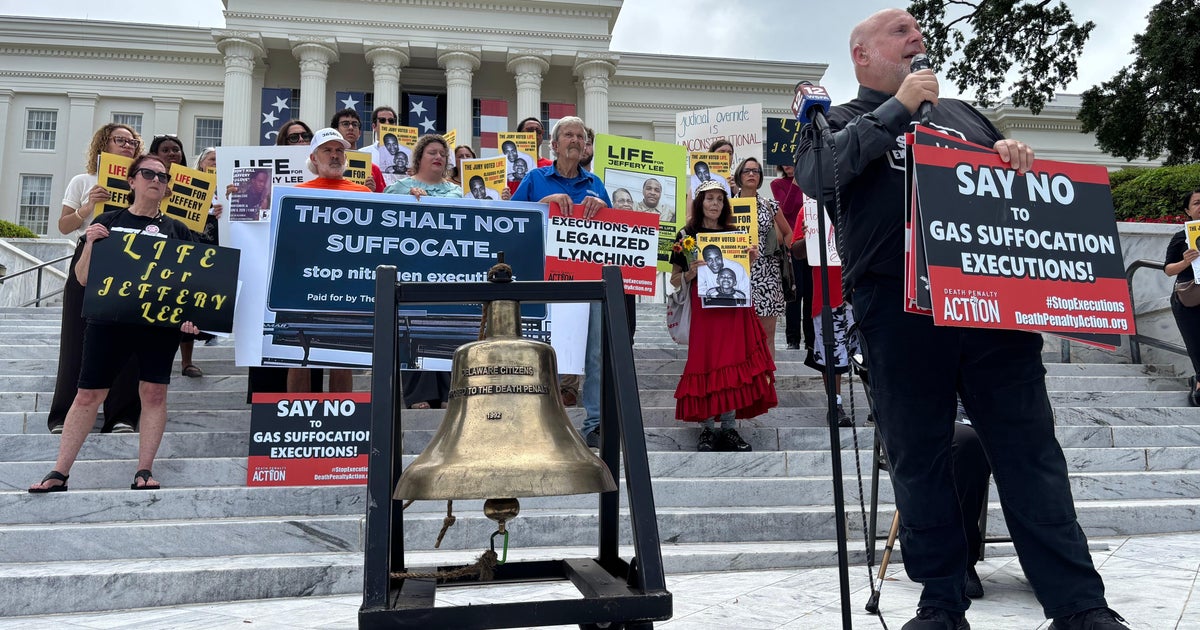
Alabama sought U.S. Supreme Court intervention to overturn a federal district judge’s order permanently barring the state from executing Jeffrey Lee by nitrogen hypoxia. Lee, 49, was scheduled for execution on June 11, 2026 at 6 p.m. CT. U.S. District Judge Emily Marks found Alabama’s nitrogen hypoxia protocol unconstitutional under the Eighth Amendment, concluding it posed a substantial risk of severe harm and distress before death. An appeals court earlier reversed an initial ruling by Judge Marks but then an appeals panel later rejected the state's request for a stay after her permanent ban. Alabama Attorney General Steve Marshall petitioned the Supreme Court and traveled to Washington to ask the justices to vacate Marks’s ruling; the state says alternatives such as a firing squad are not feasible because it lacks a protocol. Alabama introduced nitrogen hypoxia as an execution method in 2024; since then eight U.S. executions using nitrogen have been reported (seven in Alabama, one in Louisiana). Witnesses to prior nitrogen executions described signs of prolonged distress in some inmates. Alabama defends the protocol as a humane alternative to lethal injection. Lee has been on Alabama’s death row since his 1998 conviction; his case involved a judicial override at sentencing. Additional legal challenges to the nitrogen method are scheduled for trial in 2027.
Biblical Reflection
This article presents a legal and moral dispute over how the state may lawfully and humanely carry out capital punishment. The dispute raises serious questions about transparency, proportionality, and the stewardship of state power. From a Christian perspective, truth-telling and protection of human dignity must guide our response: secrecy around procedures and credible witness accounts of suffering should prompt careful scrutiny rather than haste. Christians can hold two convictions at once — a respect for the rule of law and care for victims and public safety, and a demand that the state’s actions never cross into unnecessary cruelty. The legal system exists to weigh those claims; when procedures are secretive or experimental, the risk of injustice and dehumanization rises. The article’s framing centers legal maneuvering and competing institutional claims; readers should notice the balance between the state's emphasis on procedural feasibility and critics’ emphasis on experiential evidence of harm. Ultimately Christians should advocate for processes that honor truth, offer accountability to victims, protect the vulnerable (including condemned persons), and refuse methods that risk torturous suffering.
Scripture in context
This outlook does not yet include contextual Scripture citations. Do not treat a general biblical theme as an exegetical conclusion.
Faithful Response
No prescribed response is offered. Consider the reflection prompts below in your own church context.
Reflection and Discussion
- 1What does the use of secrecy around execution procedures reveal about how the state values transparency and human dignity?
- 2When a punishment risks causing visible suffering, how should Christians weigh the desire for retribution against the call to mercy and the prohibition of cruel treatment?
- 3How might legal appeals and precedents in this case shape future practice and public trust in the justice system?
Sources
Reporting links are evidence inputs; Sanctuary News' biblical reflection is commentary.
This outlook currently relies on fewer than two linked sources. Broaden verification before teaching from it.
- 1.Original reportprimary