News Summary
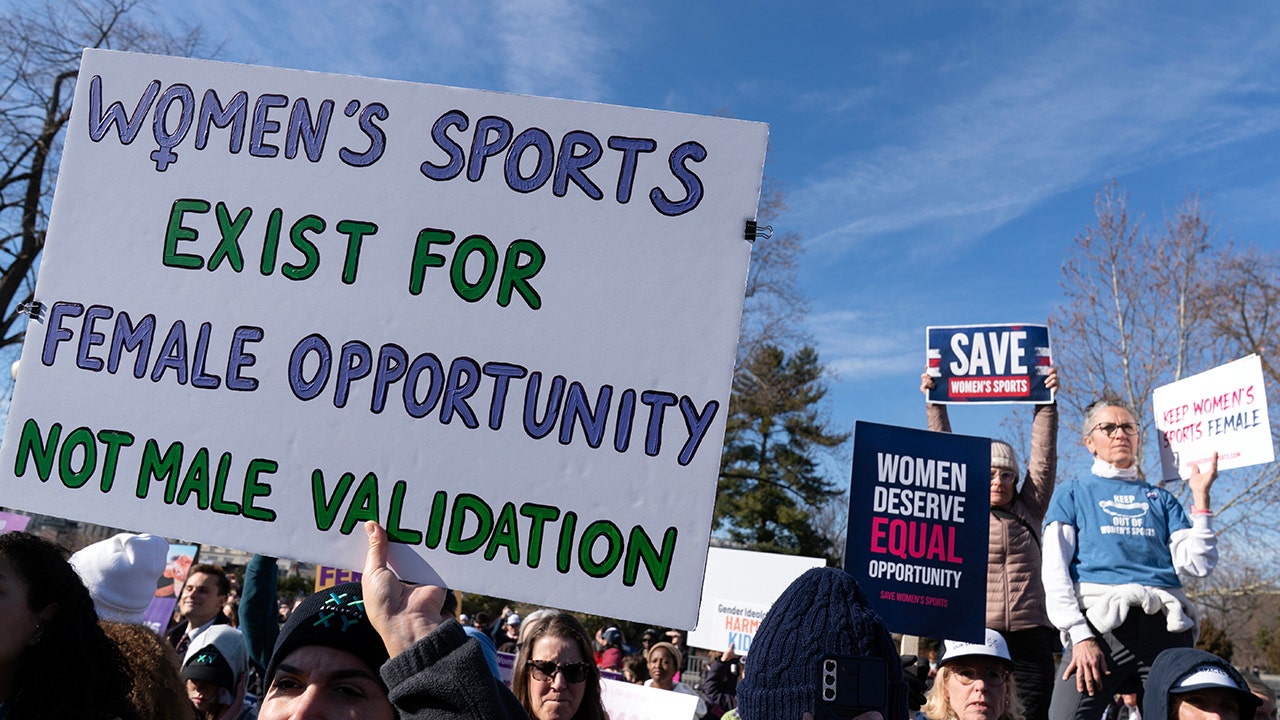
The article argues that recent and pending court decisions will limit policies that allow transgender-identifying students access to opposite-sex school facilities and athletics. It cites the U.S. Supreme Court’s decision in Mirabelli v. Bonta and last year’s Mahmoud v. Taylor as affirming parental rights over school-led gender transitions. The Fourth Circuit’s decision in Anderson v. Crouch is described as upholding West Virginia’s Medicaid exclusion for gender dysphoria treatments for adults and as applying a sex-based, medical-necessity rationale rather than discrimination against transgender claimants. The article also references a Ninth Circuit decision (Roe v. Critchfield) supporting sex-separated bathrooms and locker rooms, and notes that the Supreme Court will soon decide West Virginia v. BPJ, a case raising whether separating school sports teams by biological sex violates the Equal Protection Clause or Title IX. The author argues that a favorable Supreme Court ruling will enable states to pass and defend laws protecting single-sex spaces and women’s sports, but warns that blue states may continue to adopt policies allowing transgender access. The piece urges parents to challenge school policies, pursue litigation where necessary, and use the shifting legal landscape to push for sex-based protections in schools. The article is authored by Ian Prior of America First Legal and includes examples such as a New Richmond, Wisconsin, school incident and references federal enforcement actions against some districts.
Biblical Reflection
The article reflects a legal and cultural push to prioritize sex‑based distinctions in schools and to restore or protect parental authority over decisions about children. Its framing is adversarial toward policies that accommodate transgender students, using strong language (e.g., “agenda”) that signals advocacy rather than neutral reporting. From a Christian perspective, several biblical priorities apply: respect for lawful authority and just institutions (Romans 13), protection of children and their dignity (Mark 10:13–16), and compassion for vulnerable people, including those experiencing gender dysphoria. The legal developments the article describes legitimately raise questions about privacy, fairness in athletic competition, and parental involvement in major medical or social decisions for minors. At the same time, Christians should notice the article’s emphasis on victory and legal warfare; biblical wisdom calls for both truth and love (Ephesians 4:15). That means pursuing policies that protect bodily privacy and fair competition without dehumanizing or dismissing the needs of individuals who are struggling. Practically, Christians can support policies and legal avenues that defend children’s safety and parental rights while advocating pastoral care, medical discernment, and compassion for persons affected by gender dysphoria. Finally, be aware of bias: the piece selects court rulings and examples that support its thesis and employs charged language; readers should weigh legal facts, local circumstances, and the welfare of real children when forming opinions.
Scripture in context
This outlook does not yet include contextual Scripture citations. Do not treat a general biblical theme as an exegetical conclusion.
Faithful Response
No prescribed response is offered. Consider the reflection prompts below in your own church context.
Reflection and Discussion
- 1How does the article’s language (e.g., "agenda") shape your perception of the people involved, and what assumptions does that language encourage you to make about motives?
- 2Which concerns in this debate are primarily legal or constitutional, and which are pastoral — and how should Christians hold both sets of concerns together without sacrificing compassion or truth?
- 3Are there ways to defend privacy and fair competition in schools that also provide care, counseling, and dignity for students experiencing gender distress?
Sources
Reporting links are evidence inputs; Sanctuary News' biblical reflection is commentary.
This outlook currently relies on fewer than two linked sources. Broaden verification before teaching from it.
- 1.Original reportprimary