News Summary
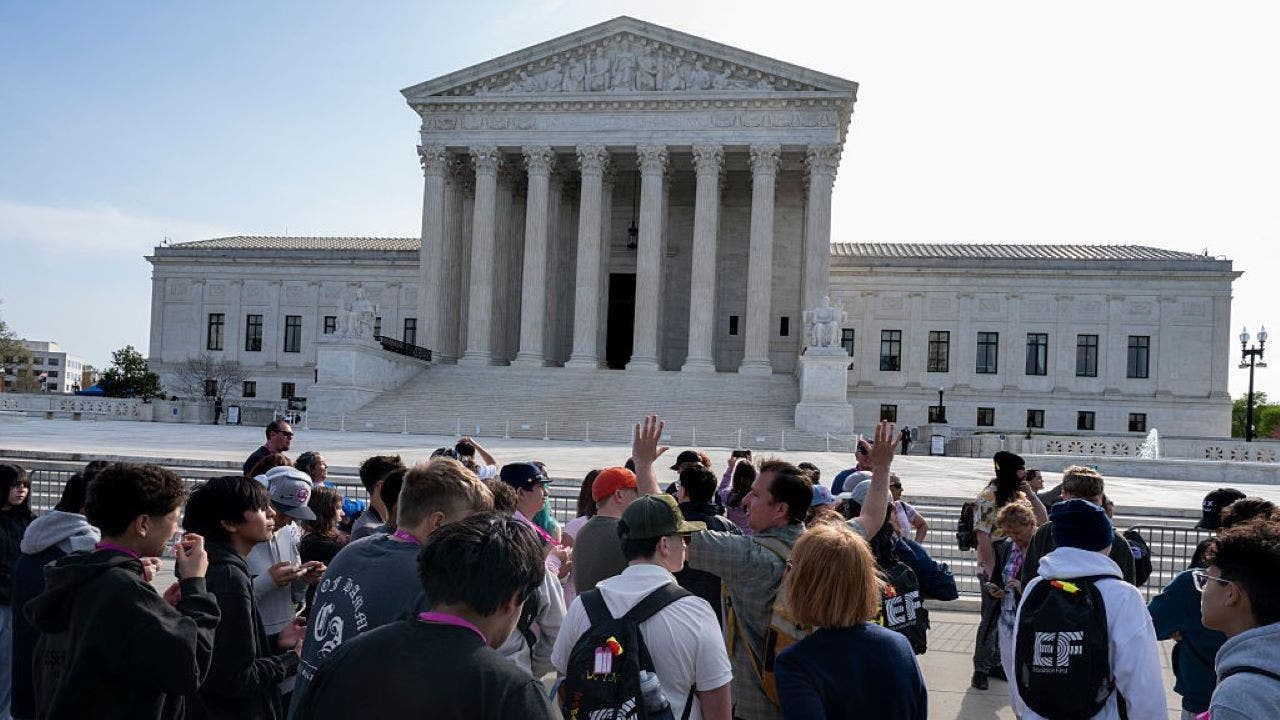
The U.S. Supreme Court issued a 5-4 decision upholding a Mississippi law that allows mail-in ballots to be counted even if they are received after Election Day. Justice Amy Coney Barrett wrote the majority opinion, joined by Chief Justice John Roberts and Justices Sonia Sotomayor, Elena Kagan, and Ketanji Brown Jackson. Barrett held that federal election statutes set a deadline for when voters must make their choice (Election Day) but do not specify when ballots must be received, and the Court will not add a receipt deadline that Congress did not impose. Justice Samuel Alito dissented, arguing that counting ballots received after Election Day effectively postpones when the electorate’s choice is made. The article notes the ruling is a developing story and does not provide extended legal analysis or broader implications.
Biblical Reflection
This decision centers on how laws are read and how elections are administered — a technical legal question with real consequences for how and when votes are counted. The article reports the vote and the competing opinions but gives little context about which elections or practical procedures will be affected, which could leave readers uncertain about real-world impact. From a Christian perspective, we should value both the rule of law and the integrity of the electoral process. Truth requires careful, honest reading of statutes and transparent administration; mercy and neighbor-love call us to protect lawful access to the ballot while also seeking timely, trustworthy results so communities can move forward in peace. The split decision and unusual coalition of justices illustrate that legal interpretation, not only partisan interest, can drive outcomes — reminding Christians to avoid simplistic partisan conclusions and to pursue humility, truth-seeking, and public peace as we respond.
Scripture in context
This outlook does not yet include contextual Scripture citations. Do not treat a general biblical theme as an exegetical conclusion.
Faithful Response
No prescribed response is offered. Consider the reflection prompts below in your own church context.
Reflection and Discussion
- 1Does the article provide enough legal and practical context to understand which elections and voters will be affected, or does it leave important questions unanswered?
- 2Who stands to gain or lose from flexible receipt deadlines, and how should Christians weigh access to voting against the need for timely, certain results?
- 3When courts split closely, how can believers practice humility and pursue peace while advocating for justice and truthful public information?
Sources
Reporting links are evidence inputs; Sanctuary News' biblical reflection is commentary.
This outlook currently relies on fewer than two linked sources. Broaden verification before teaching from it.
- 1.Original reportprimary