News Summary
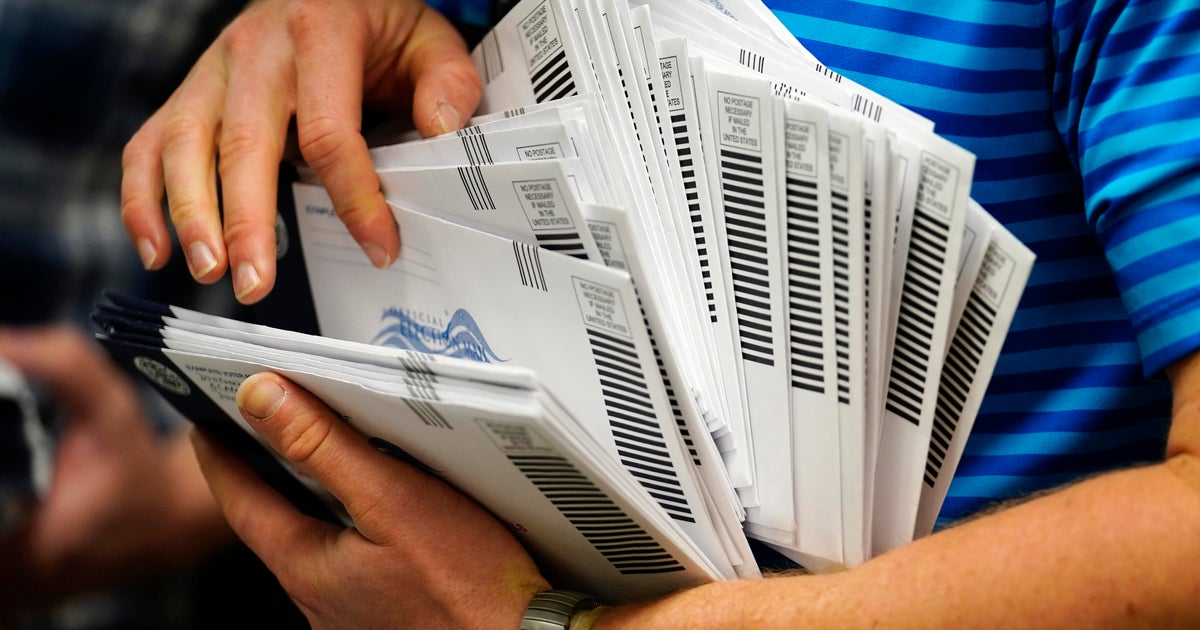
The U.S. Supreme Court, in a 5-4 decision in Watson v. Republican National Committee, held that states may count mail ballots that were cast (i.e., postmarked) by Election Day but received afterward. Justice Amy Coney Barrett wrote the majority opinion, joined by Chief Justice Roberts and the Court's three liberal justices, finding that federal statutes that designate Election Day do not set a separate deadline for when ballots must be received and therefore do not preempt Mississippi’s law. Mississippi allows ballots postmarked by Election Day to be counted if received up to five days after the election. The Republican National Committee and Mississippi’s Libertarian Party had challenged the law, arguing federal statutes from the 1800s require ballots be received by Election Day; a district court upheld Mississippi’s rule, the 5th Circuit found federal law preempted it, and the Supreme Court reversed the appeals court. The decision affects similar laws in roughly 14 states and Washington, D.C., and comes ahead of upcoming federal elections. The ruling also sits alongside other recent Supreme Court election-related decisions this term.
Biblical Reflection
From a Christian discernment perspective this ruling engages several important moral and civic concerns. Objectively, the Court relied on textual interpretation and federalism—finding federal election-day statutes silent about receipt deadlines—so the decision is a legal clarification rather than an endorsement of any particular voting method. Spiritually and pastorally, the case spotlights the need for truthfulness and care in public speech: partisan claims that mail voting inherently produces fraud have been influential politically but lack broad evidence, and such claims can erode neighbor-trust and civic peace. Christians should be wary of rhetoric that inflames suspicion without substantiation and should instead support transparent, lawful processes that protect both access to voting and confidence in results. The ruling transfers practical discretion over ballot-receipt rules back to states, making local administration, clear communication, and impartial application of the law critical for justice and peace. In short: the decision is legally significant for election administration and politically consequential for public trust; Christian witness calls for truthful reporting, calm stewardship of civic institutions, and advocacy for practices that uphold fairness and protect the vulnerable.
Scripture in context
This outlook does not yet include contextual Scripture citations. Do not treat a general biblical theme as an exegetical conclusion.
Faithful Response
No prescribed response is offered. Consider the reflection prompts below in your own church context.
Reflection and Discussion
- 1How much of my reaction is shaped by partisan claims versus verified evidence about election procedures and outcomes?
- 2What responsibilities do local church and civic leaders have to promote accurate information and calm in the face of contested legal rulings?
- 3With states holding renewed discretion over ballot receipt rules, how should Christians weigh access to voting against concerns about integrity in civic processes?
Sources
Reporting links are evidence inputs; Sanctuary News' biblical reflection is commentary.
This outlook currently relies on fewer than two linked sources. Broaden verification before teaching from it.
- 1.Original reportprimary