News Summary
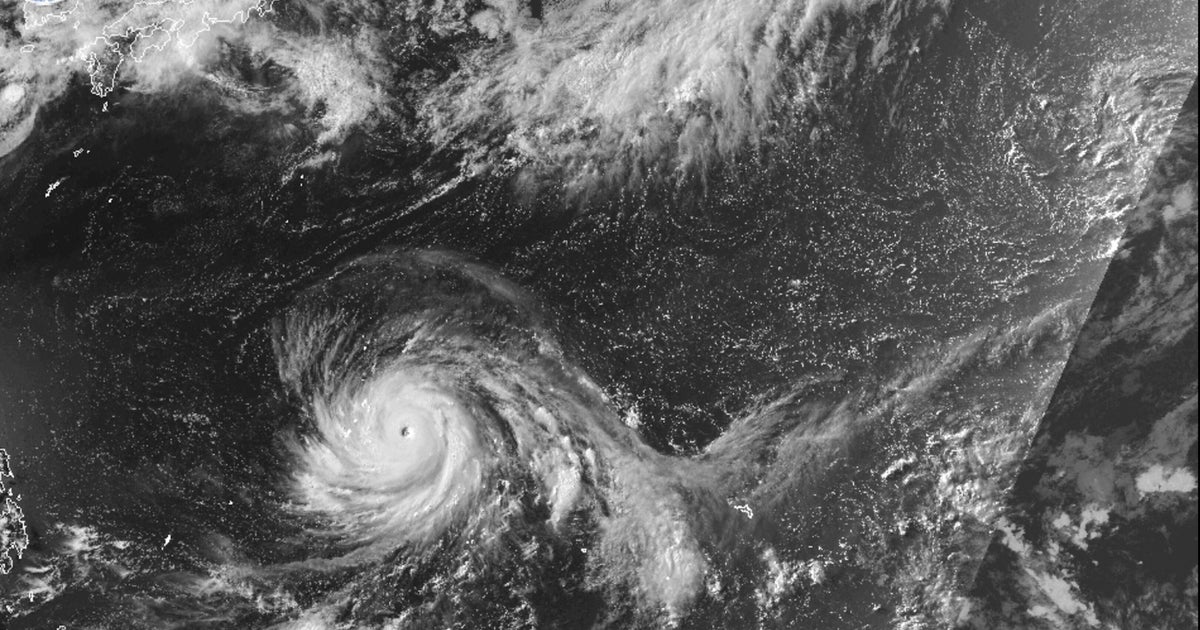
Super Typhoon Bavi, designated 09W, approached the Mariana Islands in the western Pacific on July 6, 2026, with forecasts calling for it to reach category 5 intensity. The National Weather Service warned of extreme, life‑threatening winds—forecasts cited sustained winds around 180 mph and gusts up to 215 mph—and issued an Extreme Wind Warning for Rota, an island of fewer than 2,000 residents. Typhoon warnings were also in effect for Guam, Tinian and Saipan, with additional tropical storm watches and warnings for nearby islands. Officials urged residents to shelter immediately, avoid windows and roads, and hunker down because flying debris and downed utility lines posed a severe danger to life. Forecasters noted the storm was moving relatively quickly, which could shorten the worst conditions, but its large size meant tropical storm‑force rain and winds could persist through Monday night. The warning came months after Super Typhoon Sinlaku struck the region in April, leaving communities still recovering.
Biblical Reflection
The article reports a clear, urgent public‑safety situation and centers immediate risk and official warnings—its primary aim is factual alert, not persuasion. From a Christian perspective, the account reminds us of human vulnerability before powerful natural forces and the moral imperative to protect the most vulnerable. The coverage rightly emphasizes concrete risks (extreme winds, flying debris, downed lines) and local official guidance; it does not dwell in political framing or speculation. Still, readers should note what’s not held up by the piece: detailed information on evacuation resources, shelter capacity, and expected federal or humanitarian support for islands still recovering from earlier storms. Spiritually, this event calls for truthful attention (do not minimize danger), compassionate solidarity (long‑term recovery needs will outlast headlines), and sober humility about how fragile infrastructure and lives can be. Churches and communities should watch for verified needs and coordinate sustained aid rather than reacting only to dramatic initial reports.
Scripture in context
This outlook does not yet include contextual Scripture citations. Do not treat a general biblical theme as an exegetical conclusion.
Faithful Response
No prescribed response is offered. Consider the reflection prompts below in your own church context.
Reflection and Discussion
- 1Does the reporting provide both immediate safety instructions and information about longer‑term recovery needs, or does it focus mainly on the dramatic moment?
- 2Whose needs are most at risk here—small island communities, infrastructure workers, or those with limited mobility—and how might that shape our response?
- 3How does urgent language (e.g., 'catastrophic' or specific wind speeds) affect your assessment of what is necessary and proportionate in offering help?
Sources
Reporting links are evidence inputs; Sanctuary News' biblical reflection is commentary.
This outlook currently relies on fewer than two linked sources. Broaden verification before teaching from it.
- 1.Original reportprimary