News Summary
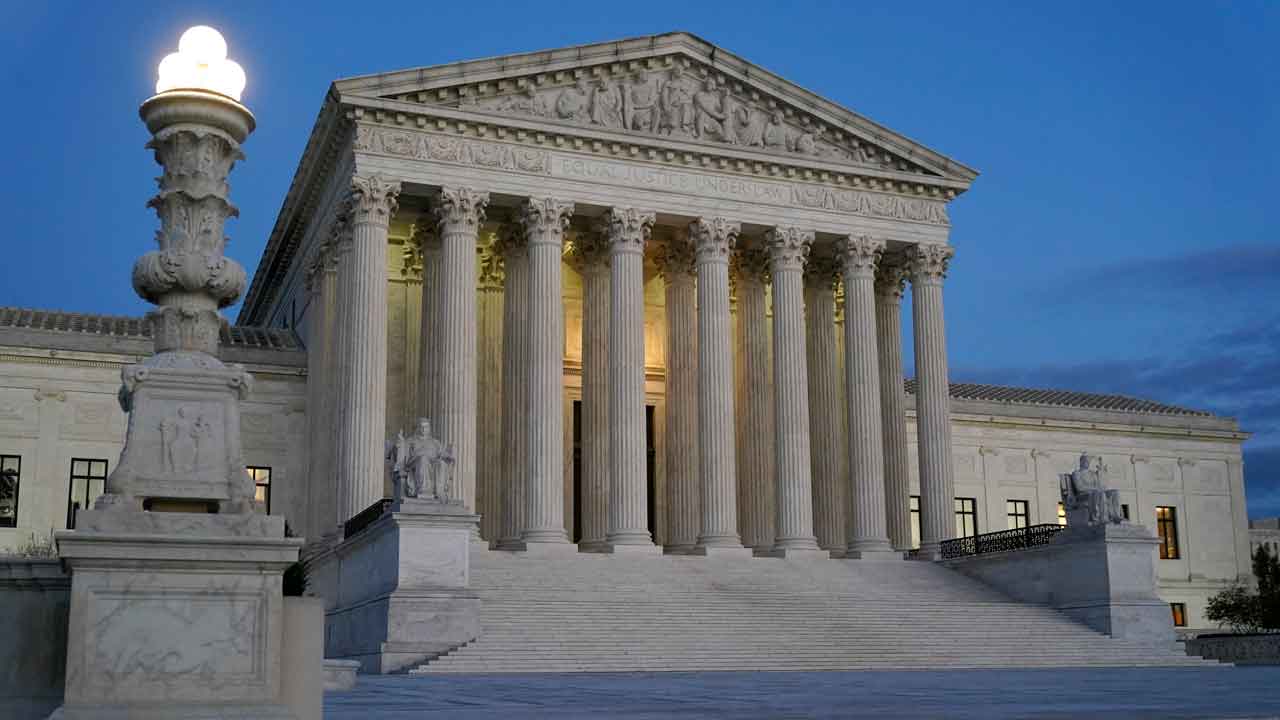
The article discusses the upcoming Supreme Court cases Little vs. Hecox and West Virginia vs. B.P.J., which center on whether states can prohibit transgender athletes from competing in women's sports. In anticipation of these cases, a group of prominent sports figures—including Super Bowl-winning coach Barry Switzer and numerous Olympians—signed an amicus brief supporting Idaho and West Virginia's laws that restrict participation in female sports categories to biological women. The brief argues such laws protect the integrity of women’s sports and prevent harm to female athletes. The article also notes that 130 congressional Democrats, including several high-profile House members and senators, signed a counter-amicus brief supporting the inclusion of trans athletes. The Supreme Court’s decisions, expected after oral arguments in January, will have significant implications for sports policy, Title IX interpretation, and transgender rights in the U.S.
Biblical Reflection
From a biblical perspective, this case highlights the complexities of truth, justice, and compassion in modern society. Scripture affirms both the inherent worth of every individual (Genesis 1:27) and the reality of God’s purposeful design of male and female (Genesis 1:27, Matthew 19:4). The debate here is not only about fairness in competition but also about how society recognizes and respects the differences God has woven into creation. The amicus brief, signed by athletes, expresses concern for justice and protection for women—a biblical principle (Proverbs 31:8-9, Isaiah 1:17). However, the challenge for Christians is to engage the conversation with both conviction and compassion, recognizing the dignity and struggles of those who identify as transgender, while also advocating for policies that reflect truth and fairness. The biblical call is to seek truth (Ephesians 4:15), uphold justice, and love our neighbors—including those on both sides of this debate. Christians should pray for wisdom for the justices, for respectful public discourse, and for policies that honor both God's design and the dignity of all people.
Scripture in context
This outlook does not yet include contextual Scripture citations. Do not treat a general biblical theme as an exegetical conclusion.
Faithful Response
No prescribed response is offered. Consider the reflection prompts below in your own church context.
Reflection and Discussion
- 1How can Christians balance upholding biblical truth with demonstrating Christlike love to all people, especially in contentious public debates?
- 2In what ways can we advocate for justice and fairness while also showing compassion to those who feel marginalized?
- 3What does it mean to 'speak the truth in love' in situations where deeply held beliefs and personal identities are at stake?
Sources
Reporting links are evidence inputs; Sanctuary News' biblical reflection is commentary.
This outlook currently relies on fewer than two linked sources. Broaden verification before teaching from it.
- 1.Original reportprimary