News Summary
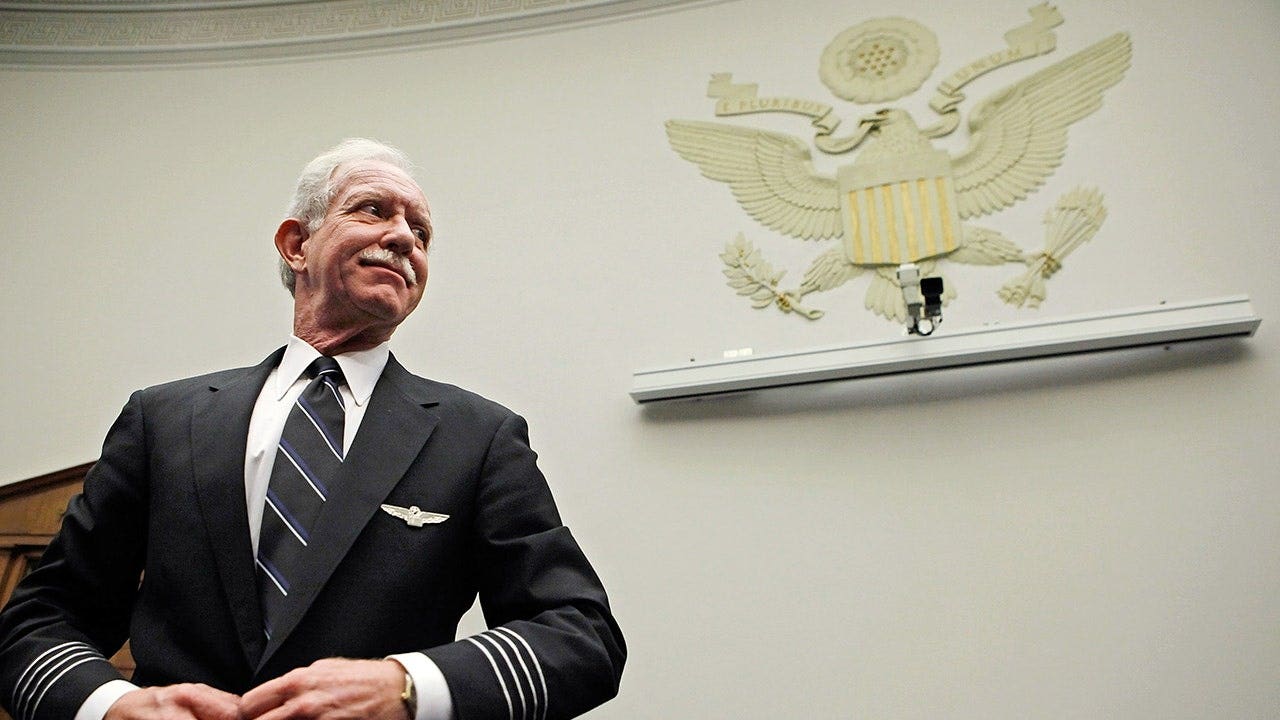
Capt. Chesley “Sully” Sullenberger, 75, announced he was diagnosed with early-stage Alzheimer’s disease after receiving an official diagnosis in August 2025. Sullenberger said his symptoms so far include difficulty recalling names and recent stories and disrupted sleep. The article recalls his 2009 emergency landing of US Airways Flight 1549 on the Hudson River, when all 155 people on board survived. His wife, Lorrie, and first officer Jeff Skiles commented that his steadiness remains and expressed hope for slow progression. Medical commentators in the story noted that prior post-traumatic stress disorder (PTSD) and age may affect Alzheimer’s risk; the piece cites prevalence estimates from the Alzheimer’s Association and summarizes that Alzheimer’s is progressive, common in older adults, and currently incurable though treatments and preventive lifestyle measures can slow symptoms. Sullenberger said he plans to raise awareness about Alzheimer’s and encouraged others and families to step forward.
Biblical Reflection
The article is primarily a human-interest, factual account: it reports a public figure’s health diagnosis, gives relevant background about his life and the disease, and includes expert commentary and prevalence context. The coverage leans compassionate and awareness-oriented rather than sensational. Read through a Christian lens, this story calls us to truthful compassion. It reminds us that even admired heroes are vulnerable to frailty; celebrity does not exempt a person from suffering nor invalidate their dignity. The piece emphasizes service—Sullenberger’s intent to use his platform to raise awareness—which aligns with the Christian duty to care for the sick and advocate for the weak. Potential gaps include an over-focus on a famous individual rather than the many families who live with dementia daily and limited attention to systemic needs (caregiver support, health policy, affordable long-term care). Christians should notice the article’s hopeful framing (advocacy, community, medical progress) and also remain clear-eyed about the long, costly realities of neurodegenerative disease that demand collective mercy, practical support, and honest public policy. Practically, the story invites humility (no one is immune), courage (to speak and seek help), and neighbor-love (to accompany those who decline mentally and their caregivers).
Scripture in context
This outlook does not yet include contextual Scripture citations. Do not treat a general biblical theme as an exegetical conclusion.
Faithful Response
No prescribed response is offered. Consider the reflection prompts below in your own church context.
Reflection and Discussion
- 1How does our tendency to focus on well-known figures shape public understanding of illnesses that affect many less-visible families?
- 2What responsibilities do Christian communities and leaders have to advocate for sustained care, research, and support systems for those with chronic, progressive illnesses?
- 3Does the narrative around a heroic life encourage compassion or an unrealistic expectation that courage alone should 'overcome' medical decline?
Sources
Reporting links are evidence inputs; Sanctuary News' biblical reflection is commentary.
This outlook currently relies on fewer than two linked sources. Broaden verification before teaching from it.
- 1.Original reportprimary