News Summary
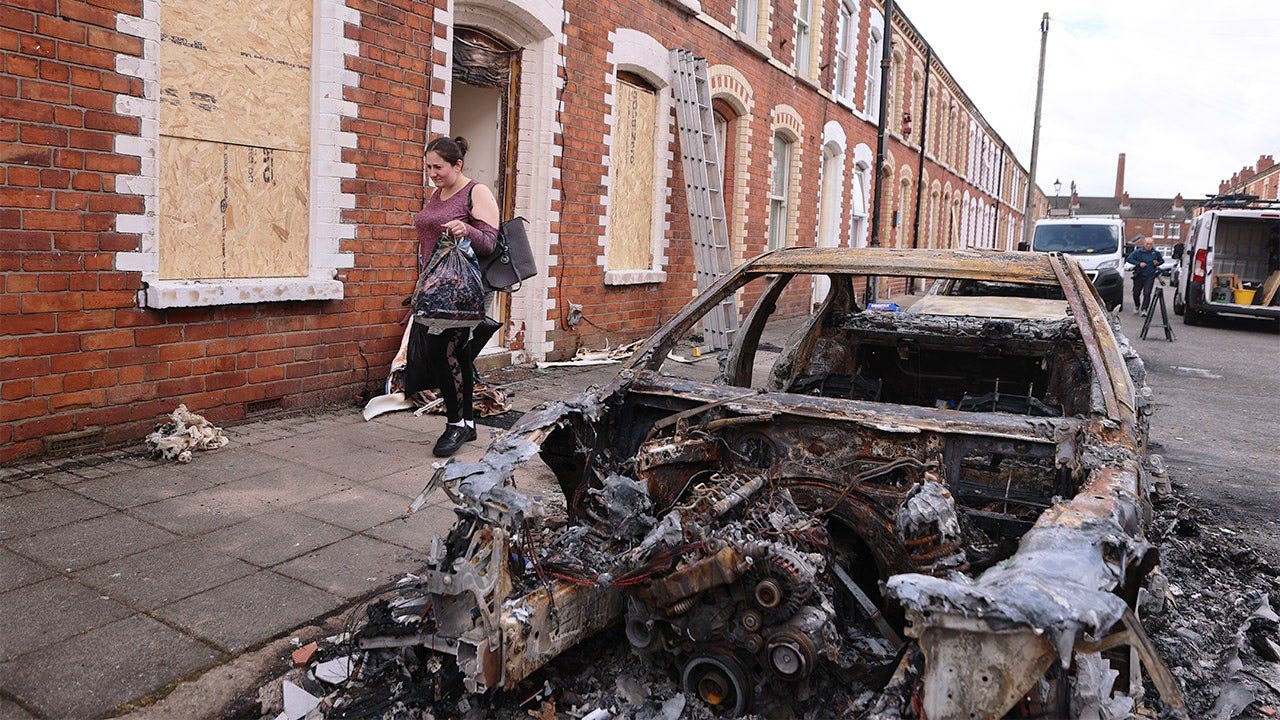
A 30-year-old Sudanese man, Hadi Alodid, appeared by video at Belfast Magistrates' Court charged with attempted murder, threatening to kill a radiographer, and possessing a knife after a late-night stabbing in north Belfast left victim Stephen Ogilvie, a man in his 40s, with serious facial, neck, back and eye injuries; prosecutors say the attack blinded Ogilvie in his left eye. The attack, captured on video and circulated online, prompted members of the public to intervene and police praised bystanders for helping save the victim. Police recovered what they believe was a kitchen knife. Alodid, who entered Northern Ireland from the Republic of Ireland in 2023 and had been granted a five-year permit to remain, declined legal representation via an Arabic interpreter and did not enter a plea; investigators said they have no information linking the incident to terrorism and are not seeking other suspects. The stabbing sparked large anti-immigrant demonstrations and violent unrest in parts of Belfast: masked groups set fire to homes they believed housed migrants, burned a bus, torched bins, threw objects at police, and caused multiple evacuations and rescues by firefighters. Authorities declared a critical incident and increased policing; political leaders condemned the vigilante and sectarian violence, and some politicians called for reviewing the open border with the Republic of Ireland. Anti-immigration activists amplified the unrest online.
Biblical Reflection
This story presents two clear harms: a violent crime against an individual and a rapid turn to collective retaliation that endangers innocent people. The factual core — a brutal stabbing and a court appearance — should be reported without inflaming group-based fear. Framing that emphasizes the attacker’s nationality can be factual but also risks fuelling collective blame when broadcast alongside images of mobs and arson. Christian discernment calls for holding the individual accountable under law while resisting narratives that equate a person’s crime with the guilt of an entire community. The unrest exposes social fears, political opportunism, and tribal impulses that seek simple answers by scapegoating migrants. Pastoral response requires solidarity with the victim and those harmed by the mob (including migrant families), a commitment to justice and due process, and a refusal to endorse vigilantism. At the same time, legitimate concerns about public safety and policing should be addressed through lawful, measured reforms rather than collective punishment or erosion of legal protections such as free movement that underpin peace efforts in Northern Ireland.
Scripture in context
This outlook does not yet include contextual Scripture citations. Do not treat a general biblical theme as an exegetical conclusion.
Faithful Response
No prescribed response is offered. Consider the reflection prompts below in your own church context.
Reflection and Discussion
- 1Am I letting headlines or identity markers steer me toward collective blame instead of focusing on individual responsibility and verified facts?
- 2How does the reporting balance the victim's needs, public safety, and the rights and dignity of migrants — and where might it be inflaming fear for political ends?
- 3What peaceful, lawful steps can communities and leaders take to protect residents while also preventing reprisals that harm innocent families?
Sources
Reporting links are evidence inputs; Sanctuary News' biblical reflection is commentary.
This outlook currently relies on fewer than two linked sources. Broaden verification before teaching from it.
- 1.Original reportprimary