News Summary
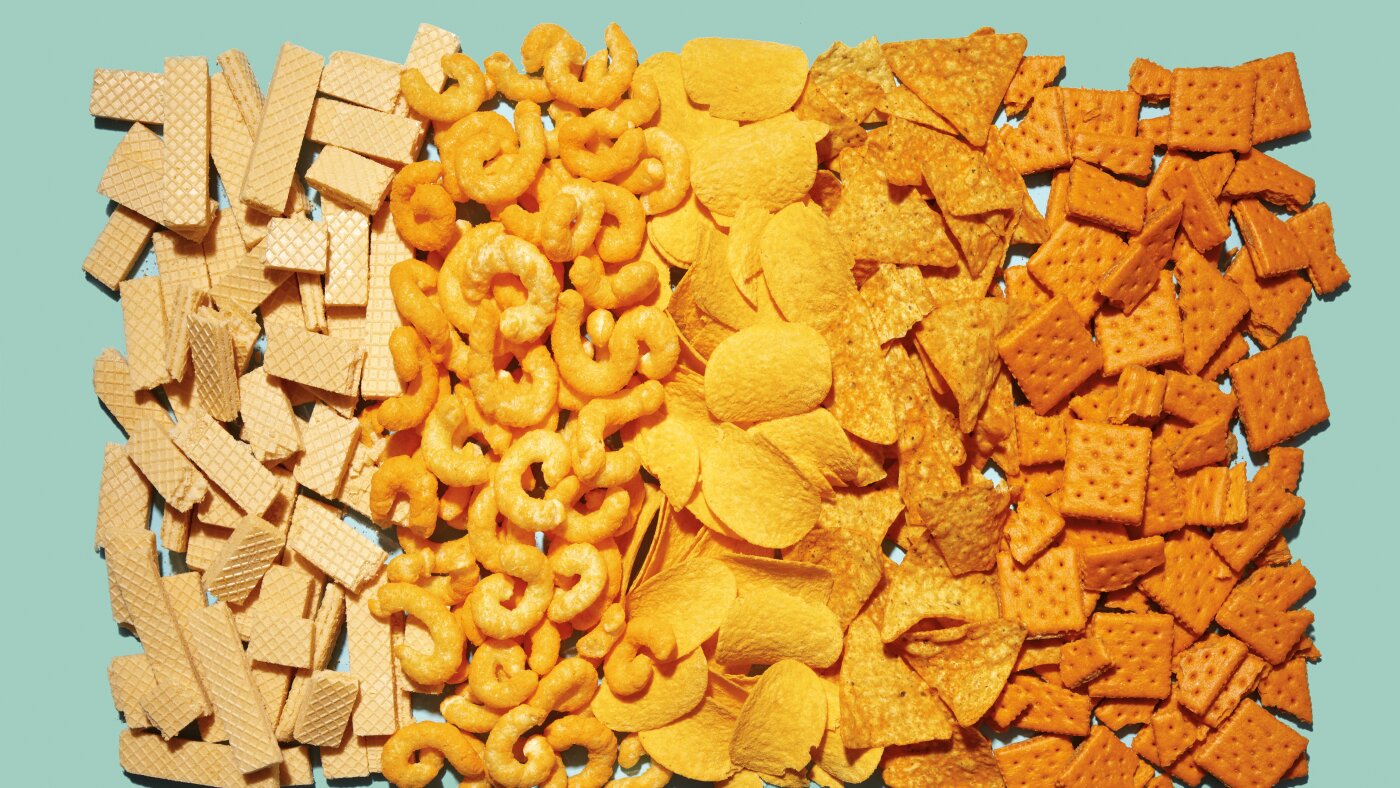
A special section of the American Journal of Public Health (published June 3) presents research arguing that tobacco companies, beginning in the 1980s, purchased major food firms and transferred flavor-engineering, additive use, processing technologies, and marketing strategies from cigarettes to manufactured foods. Authors cite archival records (including examples such as Philip Morris’s ownership of Kraft General Foods and RJ Reynolds’s ownership of Nabisco) and case studies (e.g., Lunchables) to show deliberate application of techniques that increase palatability and retention of customers. The papers characterize many packaged snacks, sodas and prepared meals as “ultra-processed” or “hyper-palatable” and summarize existing research linking high consumption of these products to obesity, diabetes, cognitive decline, and higher mortality. One cohort study of over 5,000 older Americans found a possible association between greater ultra-processed food intake and increased risk of cognitive impairment and dementia. The collection also discusses environmental harms (naming major processed-food companies among top plastic polluters) and reports a nationally representative survey of about 2,000 adults in which a majority across party lines favored government regulation of ultra-processed foods. Authors propose applying public-health strategies used against tobacco — including regulation and litigation — to curb ultra-processed food harms. Industry respondents included a statement from the Consumer Brands Association defending product safety and consumer choice; tobacco firms mentioned did not comment by publication time. The papers’ authors say state-level action (e.g., bans on synthetic food dyes) and litigation by state attorneys general could be early avenues for policy change.
Biblical Reflection
The reporting raises legitimate public-health and ethical concerns: companies with profit motives historically moved technologies and marketing practices between industries, and that transfer plausibly contributed to wider availability of highly processed, highly palatable foods. The research cited fits a longstanding pattern showing population-level associations between diets heavy in ultra-processed products and chronic illness; however, observational studies cannot prove every specific causal pathway and industry statements emphasize regulation, oversight, and consumer choice. From a Christian perspective, this story invites truth-telling about how economic incentives can harm bodies and creation, compassion for those whose health is most affected, and courage to seek structural remedies rather than only individual blame. Christians should weigh the moral claims here: corporate responsibility for public health and environmental stewardship, balanced with humility about complex causation and empathy for people navigating limited food access. Advocacy shaped by mercy and neighbor-love could support policies that protect children and low-income communities, demand honest marketing and safer formulations, and promote access to whole, nourishing foods—while avoiding moralizing or shaming individuals for eating patterns shaped by these larger forces.
Scripture in context
This outlook does not yet include contextual Scripture citations. Do not treat a general biblical theme as an exegetical conclusion.
Faithful Response
No prescribed response is offered. Consider the reflection prompts below in your own church context.
Reflection and Discussion
- 1How does awareness of corporate strategy change the way we think about personal food choices and public responsibility?
- 2Are calls to regulate ultra-processed foods asking Christians to trade a culture of individual blame for a posture of corporate accountability and communal care?
- 3What signs of stewardship and neighbor-love should guide Christians when evaluating policy proposals that limit harmful products or marketing?
Sources
Reporting links are evidence inputs; Sanctuary News' biblical reflection is commentary.
This outlook currently relies on fewer than two linked sources. Broaden verification before teaching from it.
- 1.Original reportprimary