News Summary
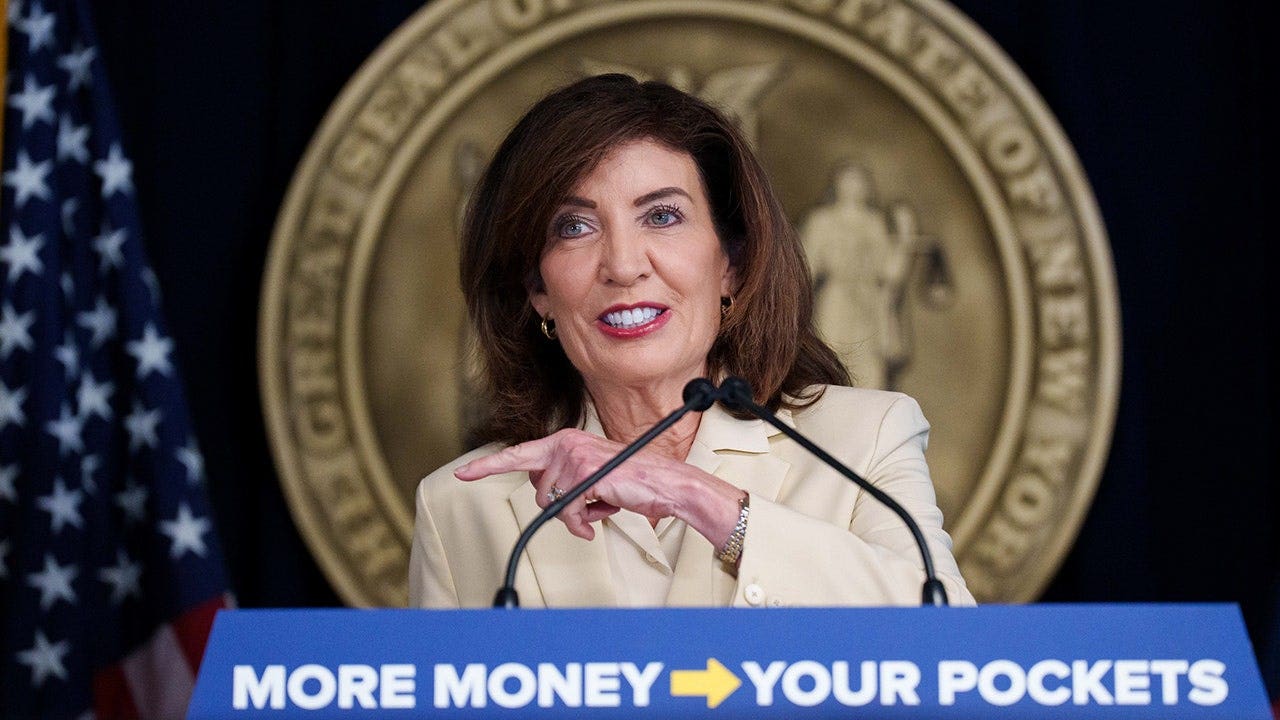
A Fox 5/Good Day New York segment pressed New York Governor Kathy Hochul about a Citizens Budget Commission (CBC) report showing New York’s share of U.S. millionaires fell to 8.7 percent by 2022 from an earlier 12.7 percent figure cited in the story. The CBC analysis estimated that had the state maintained its prior share of high-income taxpayers, personal income tax collections would have been roughly $10.7 billion higher in tax year 2022. Host Rosanna Scotto cited concerns about wealthy residents leaving and lower-budget revenue, noting an $8 billion bailout in the current budget and reports of a roughly $10 billion projected budget shortfall. Hochul attributed departures to several factors, including the 2017 federal change to the State and Local Tax (SALT) deduction, pandemic-era moves to second homes, and broader economic changes. She said she opposes raising taxes on high-net-worth individuals and supports policies to “expand the pie.” The segment also referenced debate over a pied-à-terre tax targeting non-primary luxury properties and raised questions about softness in the ultra-luxury housing market. The article frames these issues in the context of rhetoric from New York City Mayor Zohran Mamdani about taxing the wealthy.
Biblical Reflection
This report raises real civic questions about revenue, public services, and who bears the cost of sustaining a city. The CBC’s numerical findings, if accurate, show a meaningful shift in the tax base; but the article’s framing links that shift primarily to political rhetoric and tax policy without demonstrating a definitive causal chain. Christian discernment calls us to separate verified facts from narrative spin: the loss of high earners can strain public services and the poor are often the first to suffer from underfunded programs, yet focusing only on the wealthy as the cause or solution can obscure other drivers (pandemic migration, remote work, housing costs, federal policy changes). The piece leans toward a perspective that favors protecting high earners and markets (consistent with the outlet’s editorial tilt), so readers should watch for selective emphasis and missing voices — such as lower-income residents, renters, and public-service workers — when assessing consequences. From a biblical and pastoral standpoint, stewardship and neighbor-love require both fiscal responsibility and concern for the vulnerable: policies should honestly weigh who benefits, who is burdened, and how communities maintain mutual flourishing. Christians can press for truthful analysis, humane policy debates, and political humility rather than partisan blame.
Scripture in context
This outlook does not yet include contextual Scripture citations. Do not treat a general biblical theme as an exegetical conclusion.
Faithful Response
No prescribed response is offered. Consider the reflection prompts below in your own church context.
Reflection and Discussion
- 1Does the reporting distinguish clearly between correlation and causation when linking tax rhetoric or policy to millionaire migration, or does it simplify complex causes?
- 2Whose perspectives are centered in the story — wealthy taxpayers, city leaders, or residents and workers who depend on public services — and how would including more voices change the picture?
- 3How should Christian convictions about stewardship, justice, and neighbor-love shape our evaluation of tax proposals and budget choices presented as solutions?
Sources
Reporting links are evidence inputs; Sanctuary News' biblical reflection is commentary.
This outlook currently relies on fewer than two linked sources. Broaden verification before teaching from it.
- 1.Original reportprimary