News Summary
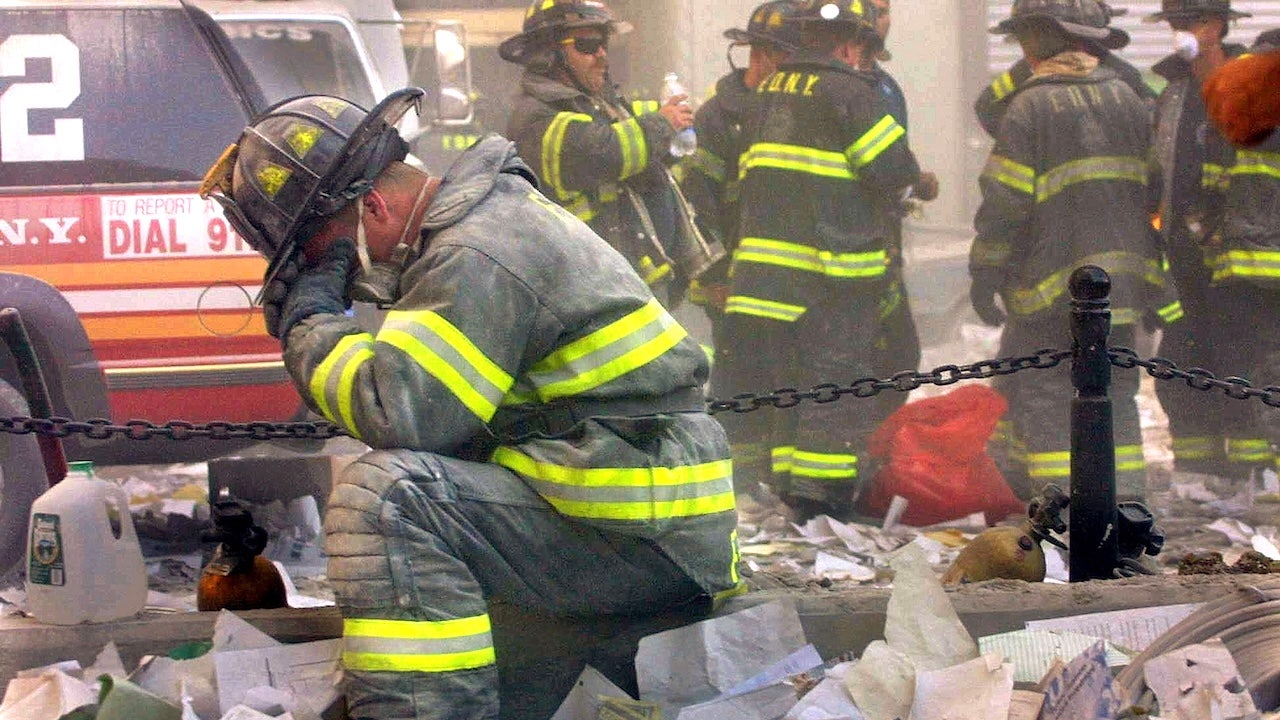
Researchers at Stony Brook University analyzed blood samples from 393 World Trade Center (WTC) responders collected about 18 years after 9/11. Of those, 232 had been diagnosed with PTSD and 161 had not. The study found 114 proteins and seven metabolites that differed significantly between the PTSD and non-PTSD groups. These molecular differences were linked by the authors to changes in brain-related proteins, immune activity, energy metabolism, cellular repair and communication, and to signals interpreted as accelerated biological aging in multiple organs (heart, kidneys, liver, lungs). The authors and media commentators suggested these changes may help explain elevated long-term risks of chronic conditions (cardiovascular, pulmonary, cognitive decline) seen in people with chronic PTSD. The paper was published in Nature Communications and received partial funding from CDC, NIOSH, and NIH. The researchers cautioned the study shows association not causation (measurements were single time-point), the cohort is a unique population with environmental exposures and low female representation (~10%), and blood markers are an indirect measure of brain processes. Ongoing longitudinal work was noted as necessary to determine temporal relationships and predictive value of the markers.
Biblical Reflection
This study foregrounds an important truth: severe trauma can have long-lasting effects that show up in the body as well as the mind. Reporting that emphasizes molecular markers and “accelerated aging” rightly draws attention to real, measurable harms faced by first responders and trauma survivors, and strengthens the moral case for sustained medical care, screening, and social support. At the same time, scientific humility is warranted—associations are not proofs of causation, the cohort had unique environmental exposures, and biomarkers can be overinterpreted when taken out of longitudinal context. The article’s biomedical framing reflects a worldview that privileges measurable, material evidence of harm; that is useful for policy and care but risks reducing persons to data if not balanced with pastoral attention to dignity, story, and spiritual need. Christian wisdom calls for both truth-seeking and merciful action: advocate for long-term healthcare and research for survivors, resist stigmatizing language that treats trauma survivors as merely biologically “aged,” and prioritize whole-person care—physical, emotional, and spiritual—for those who bore the burden of 9/11 and other traumas.
Scripture in context
This outlook does not yet include contextual Scripture citations. Do not treat a general biblical theme as an exegetical conclusion.
Faithful Response
No prescribed response is offered. Consider the reflection prompts below in your own church context.
Reflection and Discussion
- 1Are we allowing useful biomedical findings to inform care and policy without reducing people to lab results or losing sight of their dignity and stories?
- 2How does focusing on measurable ‘accelerated aging’ shape public priorities for long-term support of first responders and trauma survivors?
- 3What responsibilities do communities and governments have to fund longitudinal research and sustained care when trauma-related harms may persist for decades?
Sources
Reporting links are evidence inputs; Sanctuary News' biblical reflection is commentary.
This outlook currently relies on fewer than two linked sources. Broaden verification before teaching from it.
- 1.Original reportprimary