News Summary
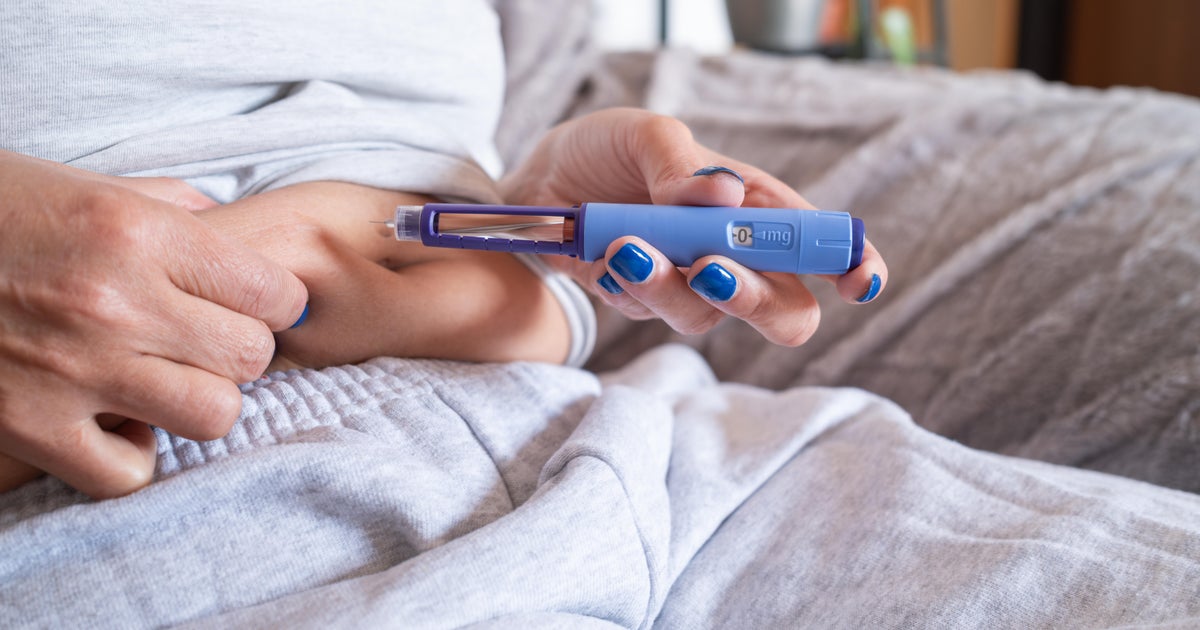
Reported facts: CBS News reports a new study found an association between GLP-1 medication use and a 17% reduction in worker sick leave and suggests such drugs (e.g., Ozempic, Wegovy) could reduce illness and save companies money. Attributed claims: the study’s reported percentage and the downstream economic savings are presented as study findings or implications. Uncertainty: the CBS report (as supplied) does not include the original study paper, details of study design, sample size, adjustments for confounding variables, duration, or whether results are causal rather than associative.
Source and Framing Analysis
Material uncertainties affecting the story: the supplied article does not link to or reproduce the original study, so readers cannot evaluate methods, sample, or statistical controls; the piece foregrounds employer cost-savings and productivity benefits, which frames the medical finding in economic terms rather than centering patient welfare, equity, or clinical caution. The lack of primary-study detail and absence of discussion about side effects, long-term safety, or access issues materially affect how strongly the reported finding should be taken.
Biblical Reflection
The report highlights a potentially important public-health and economic effect: a study-linked association between GLP-1 medication use and lower reported sick leave among workers. Christians should welcome improvements in health and reduced suffering. At the same time, the article’s emphasis on employer savings signals a utilitarian framing—bodies described in terms of productivity and cost—so we must guard against treating people merely as economic units.
Because the CBS piece presents a single study’s reported association without the full study text or methodological details, readers should avoid drawing firm causal conclusions. Responsible Christian discernment values truth: recognize the promise of medical advances while insisting on careful evidence, transparency about risks and side effects, and attention to equity in access.
Pastoral care and justice require that benefits of medical advances not be limited to those who already have power or resources. If GLP-1s do reduce illness at scale, Christians should advocate both for compassionate clinical use that honors patient dignity and for policies that do not allow life-improving treatments to widen existing inequalities.
Scripture in context
- 1Luke 10:25-37 (Parable of the Good Samaritan) — In Luke's Gospel, Jesus tells this parable in response to a question about 'neighbor.' It challenges social and religious boundaries by commending practical mercy toward the wounded, regardless of identity or advantage. — The passage calls Christians to prioritize concrete care for wounded people over calculations of convenience or benefit; applied here, it suggests we should evaluate medical advances first by how they relieve suffering and restore dignity, and second by how policies ensure access for vulnerable neighbors.
Faithful Response
Pray for discernment for medical professionals, researchers, and policymakers deciding how to use and regulate GLP-1s.
Seek reliable information: look for the original study and independent reviews before forming strong conclusions about causation or policy.
Advocate locally for equitable access and workplace policies that protect employee health without stigmatizing body size or pressuring medical choices.
Offer pastoral care to colleagues who use or consider these drugs—listen, respect medical confidentiality, and avoid reducing people to productivity metrics.
Reflection and Discussion
- 1How should the command to love our neighbor shape our response to medical technologies that may improve productivity but are expensive or unevenly accessible?
- 2In what ways might workplace enthusiasm for health gains create pressure on vulnerable employees to adopt medical treatments they don’t want or need?
- 3What standards of evidence and transparency should Christians insist on before using or recommending new medical interventions?
Sources
Reporting links are evidence inputs; Sanctuary News' biblical reflection is commentary.
This outlook currently relies on fewer than two linked sources. Broaden verification before teaching from it.
- 1.GLP-1s are linked to a 17% drop in worker sick leave, new study findsprimary_reporting