News Summary
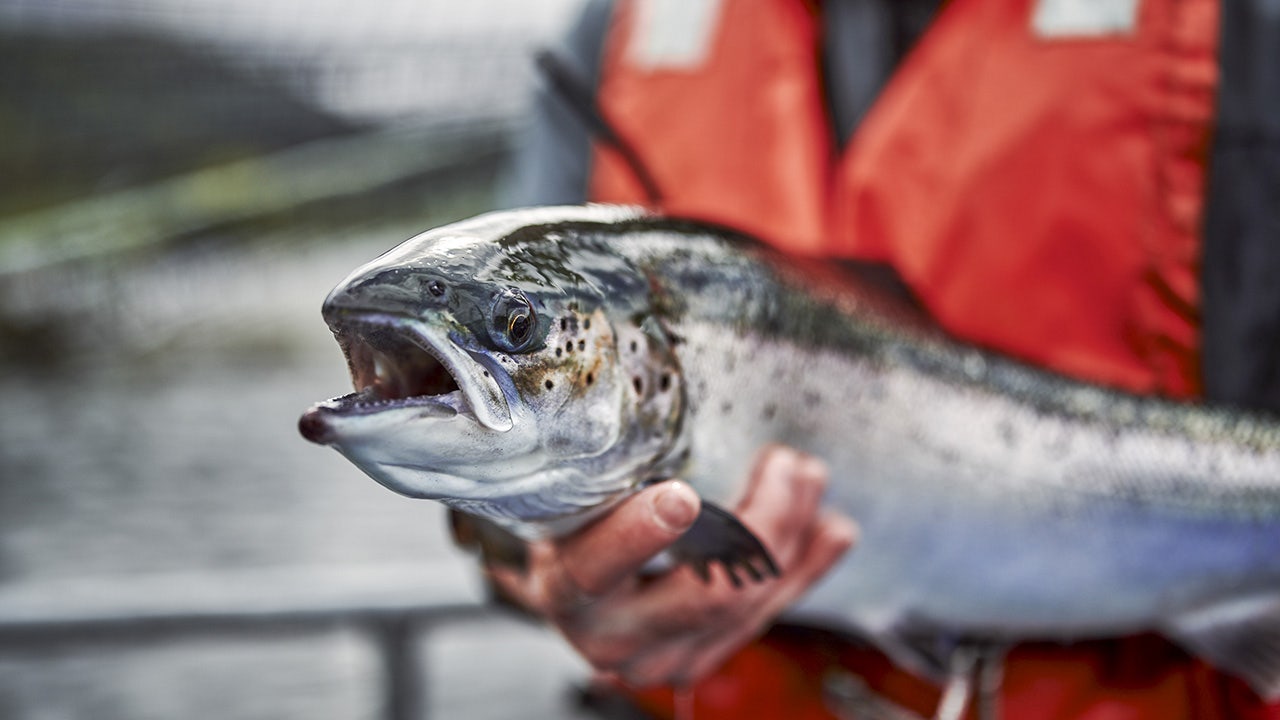
Researchers from Griffith University (Australia) and the Swedish University of Agricultural Sciences exposed 105 Alaskan salmon to cocaine and benzoylecgonine (a primary metabolite of cocaine) and tracked their movements. Fish exposed to the substances swam nearly twice as far per week and about 7.6 miles more than unexposed fish. The study was motivated by growing evidence that human-used drugs are entering waterways; other reports have detected cocaine and its metabolites in marine animals (for example, sharks off Brazil). The article reporting the study (an opinion piece) adopts a mocking tone toward the research and scientists, questioning the value of studying these effects even as it summarizes the study's findings.
Biblical Reflection
The study illustrates two linked realities: (1) human behavior and waste streams reach into the created order in ways we might not intend or fully understand, and (2) scientific study of those effects is a legitimate part of caring for creation and protecting ecosystems. The article's sarcastic framing reflects a cultural tendency to trivialize both scientific inquiry and environmental harm when findings seem obvious or awkward. From a biblical perspective, God gives humanity responsibility to 'work and take care' of creation (Genesis 2:15). That includes paying attention to how our habits—drug use, wastewater management, industrial processes—affect other living beings. The presence of illicit drugs in waterways also points to deeper social brokenness (addiction, trafficking, poor infrastructure) that calls for both truth-telling and mercy. Christians should resist cynicism that dismisses careful study as needless and also resist sensationalism that treats creation or suffering as a joke. Instead, we should seek facts, repent where our actions harm the vulnerable, and pursue practical stewardship and compassionate responses to addiction that address root causes as well as symptoms.
Scripture in context
This outlook does not yet include contextual Scripture citations. Do not treat a general biblical theme as an exegetical conclusion.
Faithful Response
No prescribed response is offered. Consider the reflection prompts below in your own church context.
Reflection and Discussion
- 1How does the article’s mocking tone shape your perception of the science and the environmental problem it reports — does it invite careful concern or dismissal?
- 2What does the presence of human drugs in aquatic life reveal about our stewardship of creation and the social roots (addiction, waste management, trafficking) that need attention?
- 3Are we prone to value quick humor over long-term care? How should Christians balance healthy skepticism of research with openness to studies that expose harms we helped create?
Sources
Reporting links are evidence inputs; Sanctuary News' biblical reflection is commentary.
This outlook currently relies on fewer than two linked sources. Broaden verification before teaching from it.
- 1.Original reportprimary