News Summary
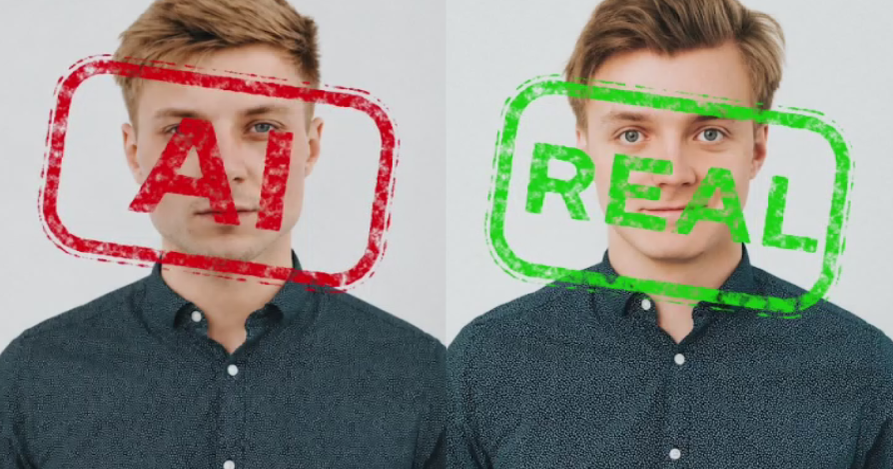
Facts: CBS News reported on a Veriff quiz comparing real and AI-generated images/videos; journalist Kristine Lazar scored 3/12 initially and 8/12 after guidance. Attributed claims: Veriff says public accuracy in the U.S. is roughly equivalent to chance and that AI image flaws have become subtler; Veriff recommends using detection tools. Uncertainties: the article does not provide Veriff's survey methodology, sample size, or independent confirmation, nor does it report perspectives from outside experts or regulators.
Source and Framing Analysis
Source role: CBS News is reporting primarily on Veriff’s internal quiz and statements; the piece treats Veriff as the expert. Missing voices: independent academic researchers in media forensics, privacy and consumer-protection advocates, representatives of populations vulnerable to fraud, and public-sector/regulatory perspectives. Incentives: Veriff, as an identity-verification vendor, benefits from public attention to verification limits and from recommending tools. Framing: the story emphasizes human fallibility and the need for tools, which aligns with the source’s quotes but limits discussion of policy responses, technical caveats, or countervailing evidence. What requires verification: the generalizability of the coin-flip accuracy claim, the representativeness and methods of Veriff’s testing, and the effectiveness and limitations of recommended detection tools.
Biblical Reflection
This report highlights a growing truth crisis: visual evidence that used to be compelling is now easily manufactured. The article accurately reports the quiz results and expert observations, but readers should note the source — an identity verification firm that has a commercial interest in promoting detection tools — which could shape emphasis and recommendations. Spiritually and practically, the situation calls Christians to renewed commitment to truth-telling and careful discernment: trust should not be given automatically to appearances, but neither should we respond with cynicism that destroys communal trust. The likely harms include fraud, reputational damage, political misinformation, and erosion of confidence in witnesses and institutions. Christian virtues — humility in uncertainty, courage to speak truth, mercy toward those misled, and wise stewardship of information — should guide how we respond: support verification practices, demand transparency from platforms, protect the vulnerable from scams, and advocate for policies and tools that mitigate harms while avoiding alarmism.
Scripture in context
- 1Ephesians 4:25 — Paul is addressing Christian households and communities, urging members to put away falsehood and speak truthfully to one another because the church is a body dependent on mutual trust and unity. — In a media environment where images can deceive, Ephesians encourages Christians to prioritize truthful speech and practices: verify before sharing, admit error when mistaken, and cultivate communal habits that preserve trust.
Faithful Response
Pause before sharing images or videos; check the source and seek corroboration from reputable outlets or specialized verification tools.
Educate oneself and others in basic media-literacy practices (reverse image search, source-checking, tool-based detection) and practice humility about uncertain cases.
Protect and support neighbors who are targets of scams or reputational harm from deepfakes, offering practical help and pastoral care.
Reflection and Discussion
- 1When you see a dramatic image or video, what default assumptions do you make about its authenticity, and why?
- 2Who benefits if people assume visual evidence is always reliable—and who is harmed?
Sources
Reporting links are evidence inputs; Sanctuary News' biblical reflection is commentary.
This outlook currently relies on fewer than two linked sources. Broaden verification before teaching from it.
- 1.Study: Americans Struggle to Spot AI Deepfakesprimary_reporting