News Summary
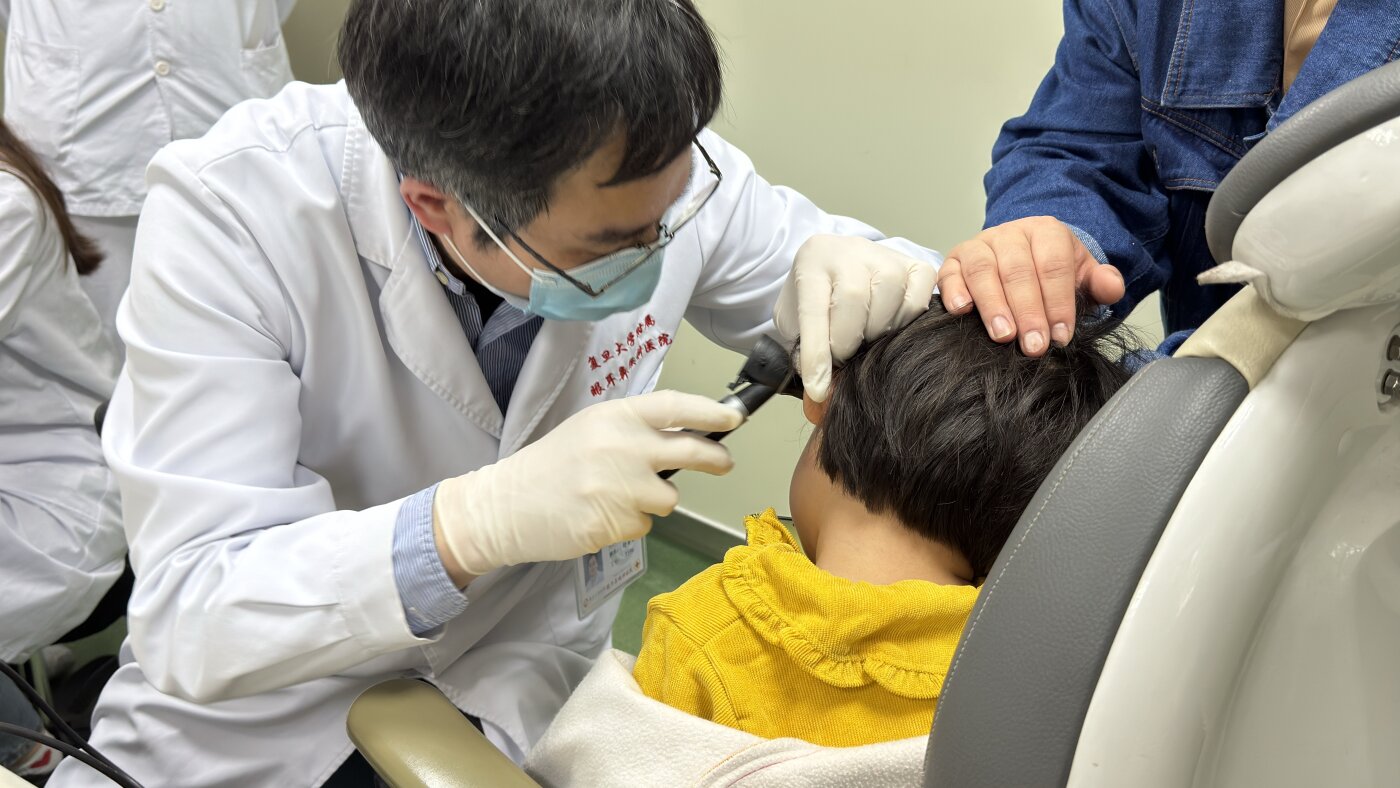
A multinational research team led by investigators at Mass Eye and Ear and Fudan University reported results from a study of 42 children and adults (ages under 1 to 32) with autosomal recessive deafness type 9 (DFNB9), caused by biallelic OTOF mutations. Patients received an inner-ear infusion of an adeno-associated viral vector carrying a split, functional copy of the OTOF gene. About 90% of treated patients showed restoration of hearing, with hearing first detectable within weeks and typically improving over roughly six months. Many reached near-normal hearing levels; some participants have retained benefit for more than two years. Several children who gained hearing were able to begin learning spoken language. Investigators report the treatment appears safe so far, but longer follow-up is required to confirm durability and long-term safety. The reported success adds to parallel efforts in gene therapies for other genetic forms of deafness and has driven interest in earlier genetic screening of newborns and study of whether similar approaches could address other causes of hearing loss. The form treated is rare (roughly 50 newborns per year in the U.S.), but aggregated genetic causes are a significant contributor to pediatric deafness. A separate therapy developed by Regeneron may be approaching FDA review for approval.
Biblical Reflection
From a Christian perspective this development is cause for cautious thanksgiving. The skill and creativity shown by researchers in developing a somatic gene therapy that restores a lost human capacity reflect God-given intellect and the ethical calling to alleviate suffering (see Proverbs 2:6 on wisdom, and Jesus' healing ministry). Restoring hearing and enabling children to acquire speech advances human flourishing and relational participation. At the same time the article's enthusiastic framing risks understating unresolved questions: long-term safety, the need for extended follow-up, equitable access, and the limits of current evidence beyond this specific, rare genetic type. The piece centers technological success and future expansionary hopes (including screening more newborns and attempting to adapt approaches to other causes). Christians should weigh such advances gratefully yet prudently — celebrating healing while calling for transparency, rigorous oversight, protection of vulnerable patients, and clear ethical distinctions between somatic therapies that restore function and germline interventions that alter descendants. Finally, consider stewardship and justice: will these treatments be available fairly, and how will healthcare systems prioritize rare but transformative interventions? The article largely aligns with objective facts presented but emphasizes optimism; readers should note the small sample size relative to population needs, ongoing unknowns, and broader social-ethical implications.
Scripture in context
This outlook does not yet include contextual Scripture citations. Do not treat a general biblical theme as an exegetical conclusion.
Faithful Response
No prescribed response is offered. Consider the reflection prompts below in your own church context.
Reflection and Discussion
- 1How does the article's emphasis on technological success shape our perception of medical progress, and does it adequately present unresolved risks and long-term unknowns?
- 2Does the reporting consider justice and access — who will receive such one-time, potentially transformative treatments, and how do we weigh investment in rare-disease therapy against broader public-health needs?
- 3Is there a clear ethical distinction in the coverage between somatic treatments that restore lost function (like this gene therapy) and interventions that would alter the human germline or future generations?
Sources
Reporting links are evidence inputs; Sanctuary News' biblical reflection is commentary.
This outlook currently relies on fewer than two linked sources. Broaden verification before teaching from it.
- 1.Original reportprimary