News Summary
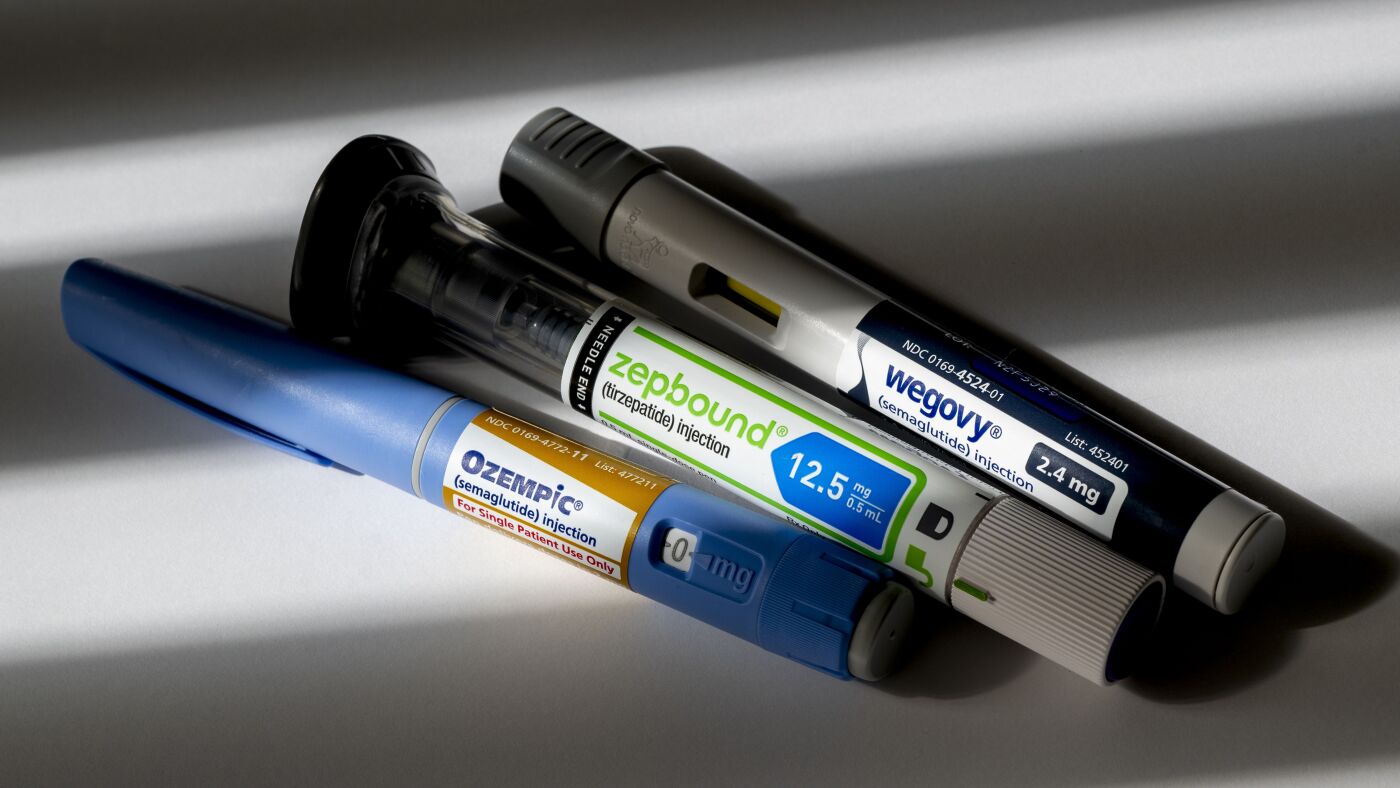
Recent retrospective analyses presented at an American Society of Clinical Oncology meeting report associations between GLP-1 medications and lower rates or slower progression of several cancers. One study using medical and prescription records of over 10,000 early-stage cancer patients found reduced risk in six of seven cancer types examined, with statistically significant declines for breast, liver, colorectal and non-small cell lung cancers; kidney and prostate risks declined modestly and pancreatic cancer was least affected. A separate analysis linking mammogram records to prescriptions found women aged 45–80 taking GLP-1s were about 30% less likely to develop breast cancer. Investigators note the drugs cause weight loss by altering gut and brain hormones and are used for diabetes and obesity, and some authors suggest the observed cancer-related differences exceed what weight loss alone would predict. Proposed mechanisms include reduced inflammation and metabolic or immune effects. Experts caution these studies are correlative and limited by retrospective data that often lack details on comorbidities, lifestyle factors, and other confounders. Prospective trials and mechanistic studies are beginning, including a planned study to follow roughly 40 breast-cancer patients starting tirzepatide with serial blood tests and fat biopsies to track hormonal, inflammatory, and immune changes.
Biblical Reflection
From a Christian pastoral perspective, the article offers hope grounded in scientific progress but also calls for humility. The reporting conveys promising correlations without claiming proven causation, and researchers themselves emphasize limits and the need for controlled trials — a responsible posture that aligns with valuing truth over premature certainty. Christians should welcome medical advances that may relieve suffering, while remaining attentive to possible biases (publication and commercial interests, selective reporting), to equity and access (who will receive these treatments), and to ethical use (avoiding off-label hype before evidence is robust). The impulse to celebrate potential cancer prevention should be balanced by mercy for those who suffer now, patience for careful study, and courage to advocate for research integrity and fair access so the benefits, if real, reach the vulnerable.
Scripture in context
This outlook does not yet include contextual Scripture citations. Do not treat a general biblical theme as an exegetical conclusion.
Faithful Response
No prescribed response is offered. Consider the reflection prompts below in your own church context.
Reflection and Discussion
- 1Are the headlines and public conversation distinguishing clearly between correlation and causation, and how might that affect patient expectations and prescribing?
- 2What financial, commercial, or institutional incentives could shape how rapidly GLP-1s are promoted for cancer prevention before controlled trials are completed?
- 3If GLP-1s do lower cancer risk, how should health systems and Christians advocate for just access so benefits don’t widen existing health disparities?
Sources
Reporting links are evidence inputs; Sanctuary News' biblical reflection is commentary.
This outlook currently relies on fewer than two linked sources. Broaden verification before teaching from it.
- 1.Original reportprimary