News Summary
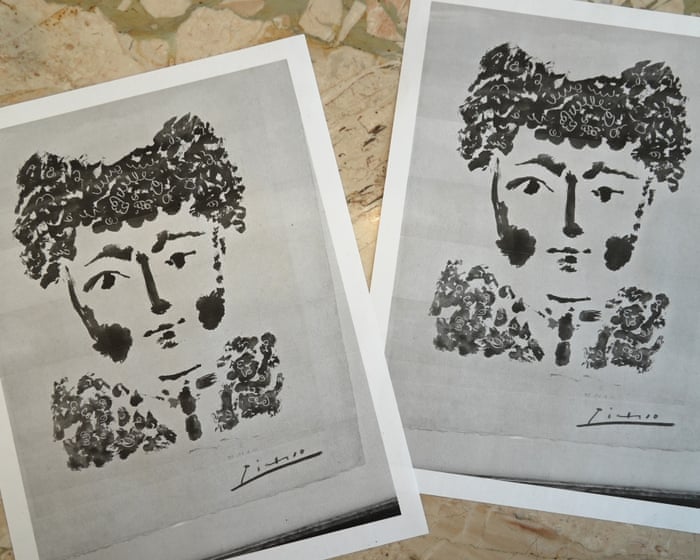
A signed Pablo Picasso Torero print stolen from Bill DeLind’s Milwaukee gallery in 2018 was recovered after a landlord found it in a vacant Milwaukee apartment. Police contacted DeLind in August 2026 and he recognized the print as the one taken in 2018. The Guardian reports the work is one of roughly 30 known signed impressions from that series. The article does not provide an official police statement, details about how the print came to be in the apartment, whether anyone has been charged, the print’s condition, or the chain of custody following discovery.
Source and Framing Analysis
Source: The Guardian (single-reporting source for this cluster). The Guardian story is framed as a human-interest recovery of a rare artwork, emphasizing the gallery owner’s recognition and the rarity of the Torero impression. Reporting quality is straightforward and factual in the supplied excerpt, but the piece leaves important investigatory and provenance questions unaddressed (no police quote or formal statement in the excerpt, no authentication beyond the owner’s recognition, no details on occupants of the apartment or possible suspects, and no condition or custody documentation). The original article assessment described the account as strongly supported but limited in scope; the central claims (the print’s theft in 2018 and its later identification in a vacant apartment) are plausible from the report, while many procedural and legal details remain unreported.
How sources covered this story
Sanctuary separately assesses reporting quality and alignment with Christian virtues. The virtues assessment considers truthfulness, dignity, compassion, justice, peacemaking, humility, and care for vulnerable people. It does not assess a publisher's faith or reward religious language.
Compare 1 reports
Reporting 78/100Virtues 82/100
- Distinctive contribution
- Names the gallery owner (Bill DeLind), identifies the work as the Torero print and states it is one of 30 known signed by Picasso, gives the recovery circumstance (landlord cleaning a vacant apartment) and links recovery to a recent police call.
- Framing
- Straightforward factual news framing emphasizing a recovered stolen artwork and the rarity/value of the piece; no evident sensational language in the excerpt.
- Omissions or uncertainty
- No information on authentication procedures beyond the owner recognizing it; no condition report of the print; no details on how the print came to be in the apartment or who occupied it; no identity or motives of any suspect; no legal outcome or whether charges will be filed; no precise recovery date or police statement in the excerpt.
- Why these scores
- The excerpt is concise and specific (names, artwork title, rarity, timeline). It accomplishes the basic news function responsibly with attribution to the owner and police involvement. It lacks broader context, investigative detail, and corroborating quotes or official statements in the supplied text, which prevents a higher score. The excerpt is factual and non-sensational, respects persons named, and doesn't exploit victims or suspects. It neither omits necessary compassion nor advances dehumanizing language. The score reflects clear, respectful reporting while noting limited contextual detail that could further illuminate justice-related aspects.
Biblical Reflection
From a Christian perspective this recovery affirms concerns about rightful ownership, stewardship of cultural goods, and the social order that protects neighbors’ property. The return of what was taken invites gratitude and a desire for honest accounting. Christians should celebrate restitution while withholding glee over potential wrongdoing, seeking both truth and mercy: gratitude for restoration, care for the injured owner and community institutions, and a sober call for accountability where warranted. This outlook centers dignity for all parties, peacemaking in pursuit of reconciliation where possible, and practical care for vulnerable local stewards of beauty.
Scripture in context
- 1Luke 19:1-10 (story of Zacchaeus) — Luke’s Gospel tells the story of Zacchaeus, who after encountering Jesus repents and commits to restitution—returning and making right what was taken. That narrative appears within Luke’s wider emphasis on repentance, reconciliation, and the restoration of outsiders. — The Zacchaeus story invites reflection on restitution and repair: when what was lost is returned, the injured party and the community are offered a chance at restoration. The recovered Picasso print prompts thanksgiving for restitution while also prompting a call for transparency and honest accounting about how the loss occurred.
Faithful Response
Give thanks for the return of the stolen work and pray for clarity and justice for the owner and community.
Encourage and support small cultural institutions and private stewards (donations, volunteering, security advice) that preserve communal beauty.
Request and respect official documentation of recovery (police reports, chain-of-custody records, formal authentication) before drawing conclusions about provenance or culpability.
Avoid spreading unverified speculation about suspects or motives; prioritize protecting individuals’ dignity while cooperating with lawful investigation.
Offer pastoral care to those harmed by the theft (the gallery owner, staff, volunteers) and, where appropriate, advocate for restorative processes that balance accountability and mercy.
Reflection and Discussion
- 1How should the church celebrate restitution while also seeking full accountability where wrongdoing occurred?
- 2In what concrete ways can our congregation practice stewardship of local cultural and artistic resources?
- 3How do we balance curiosity about a recovered rarity with compassion for any people implicated in the theft or subsequent discovery?
- 4What steps should be taken to ensure recovered cultural property is authenticated and returned transparently and lawfully?
Sources
Reporting links are evidence inputs; Sanctuary News' biblical reflection is commentary.
This outlook currently relies on fewer than two linked sources. Broaden verification before teaching from it.
- 1.Picasso print stolen from Milwaukee art gallery in 2018 found by landlord while cleaning apartmentprimary_reporting