News Summary
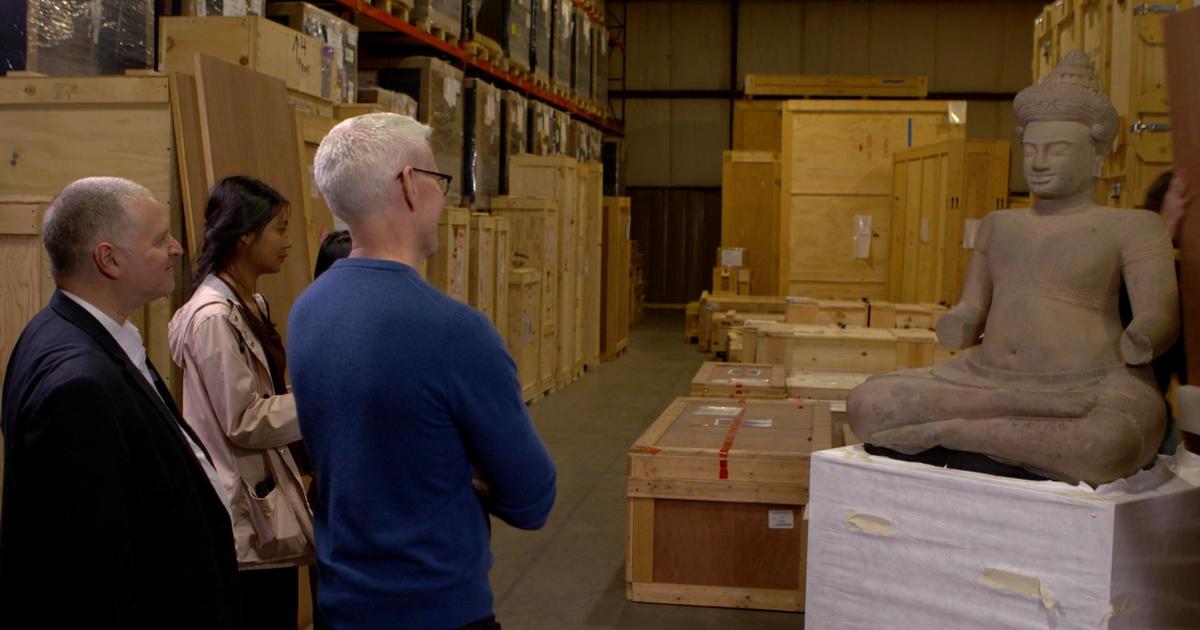
Over roughly the last century — and especially during Cambodia's decades of war, genocide and instability from the 1970s through the 1990s — thousands of statues and other antiquities were looted from Cambodian temples. Investigators say gangs, sometimes led by former Khmer Rouge fighters, used shovels, chisels, metal detectors and even dynamite to remove heads, torsos and whole sculptures, then transported them across borders into Thailand and into the international art market. A British collector and dealer, Douglas Latchford, is alleged to have been a central buyer and seller of many of these objects, publishing books that circulated images of pieces and selling or donating works to major institutions and private collectors. An American lawyer, Brad Gordon, working with Cambodian officials and former looters who cooperated as sources, has spent years documenting missing items, matching objects to original sites (including base-and-feet matches) and supporting repatriation efforts. High‑profile recoveries include a Koh Ker statue removed from a Sotheby’s auction and multiple pieces voluntarily or legally returned from private collections (such as the Lindemann family) and from museums; Latchford was indicted in 2019 but died before trial. Major museums, most notably the Metropolitan Museum of Art, have faced scrutiny over provenance practices and have begun provenance reviews and limited returns, while Cambodia continues to seek the repatriation of many more artifacts.
Biblical Reflection
Seen through a Christian lens, this story raises clear moral questions about stewardship, justice, and respect for the sacred. The removal and sale of objects that are part of a people’s religious life and national memory inflicted spiritual and cultural harm as well as physical theft; treating sacred heritage as a commodity reflects a worldview that elevates possession and prestige over neighborly respect and truth. The work of investigators and former looters who sought to tell the truth and return items shows repentance, accountability, and restorative action — virtues Scripture commends. At the same time, institutional resistance, market incentives, and historical colonial dynamics reveal systemic complicity that demands both humility and corrective justice from museums, collectors, and nations. Christians should applaud efforts that restore what was taken, insist on transparent and honest provenance practices, and press for remedies that honor victims and repair communal bonds rather than prioritize collection-building or reputational protection.
Scripture in context
This outlook does not yet include contextual Scripture citations. Do not treat a general biblical theme as an exegetical conclusion.
Faithful Response
No prescribed response is offered. Consider the reflection prompts below in your own church context.
Reflection and Discussion
- 1Who benefits when museums or private collectors accept objects without rigorous provenance, and how does that incentive shape what is considered acceptable?
- 2How does the legacy of colonialism and wartime disorder change our assumptions about ownership, and what responsibilities follow from that history?
- 3When institutions are implicated in harm, is restitution enough, or must there also be systemic reform and public accountability to prevent repeat injustice?
Sources
Reporting links are evidence inputs; Sanctuary News' biblical reflection is commentary.
This outlook currently relies on fewer than two linked sources. Broaden verification before teaching from it.
- 1.Original reportprimary