News Summary
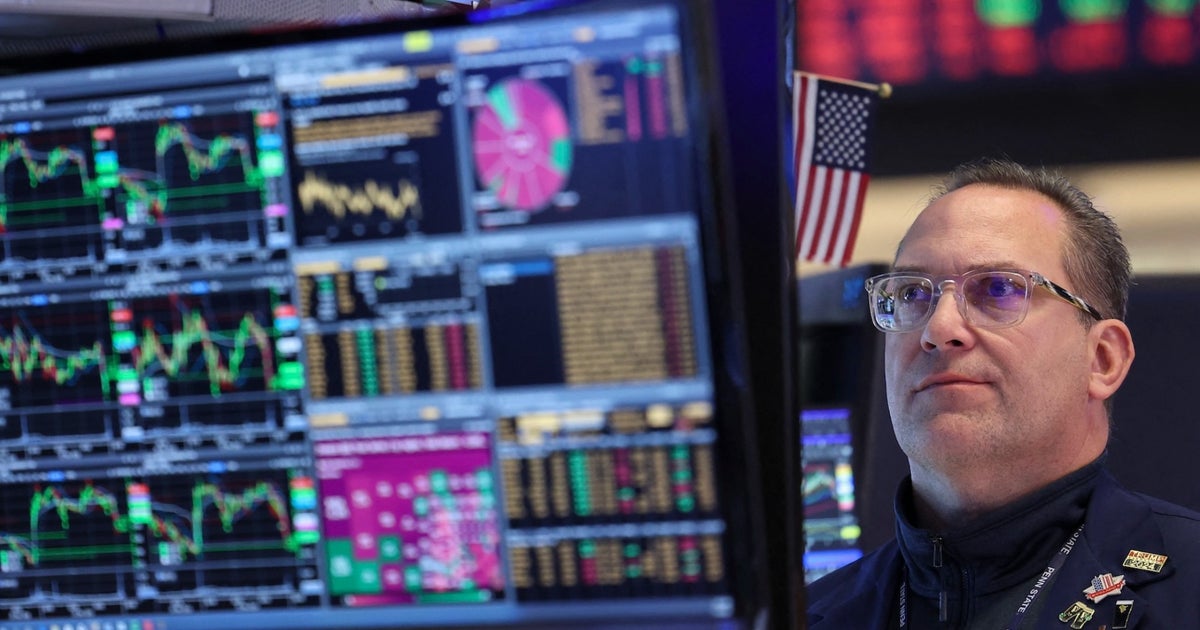
U.S. stock indexes recovered from an early decline and closed higher: the S&P 500 rose about 69 points (1%) to 6,886, the Dow added about 302 points (0.6%), and the Nasdaq gained about 1.2%. Brent crude traded around $98.16 per barrel and West Texas Intermediate near $97.82 per barrel after intraday trading above $100. Ship traffic through the Strait of Hormuz has fallen sharply since the war began in late February — averaging about 10 vessels per day in April versus roughly 129 per day before the war, according to marine transit data. The U.S. has imposed a military blockade on the Strait. Market participants and at least one strategist (Mark Luschini of Janney Montgomery Scott) told CBS News investors are betting that the U.S. and Iran will find a diplomatic off-ramp and avoid further escalation, citing ongoing engagement between U.S. and Iranian delegations and a two-week ceasefire window during which negotiations may resume.
Biblical Reflection
From a Christian perspective the article accurately reports market moves and the factual state of maritime disruption, but its primary lens is investor sentiment rather than humanitarian or geopolitical consequences. The coverage highlights how financial markets price expectations — in this case, hope for de-escalation — which can create a veneer of calm even while real human and strategic risks persist. Potential biases: the story centers economic indicators and a strategist's reassurance, which may underweight the lived impact on civilians, seafarers, and regional stability. Biblically, Christians should note two tensions: (1) the call to pursue and pray for peace (peacemaking and justice for the vulnerable), and (2) the responsibility for wise stewardship of resources in uncertain times. Financial optimism is not inherently wrong, but it must be tempered by discernment about the limits of what markets reveal and by compassion for those harmed by conflict. We should be cautious of equating financial recovery with moral or lasting resolution and attentive to calls for peacemaking and care for those affected.
Scripture in context
This outlook does not yet include contextual Scripture citations. Do not treat a general biblical theme as an exegetical conclusion.
Faithful Response
No prescribed response is offered. Consider the reflection prompts below in your own church context.
Reflection and Discussion
- 1Whose realities are centered in this coverage — investors and market metrics, or people directly affected by the blockade and conflict — and what does that choice reveal about cultural priorities?
- 2What assumptions underlie the expectation that diplomacy will quickly stabilize markets, and how might that optimism obscure ongoing risks or suffering?
- 3How should Christians hold together prudent financial discernment and a commitment to pray for, speak for, and aid those harmed by geopolitical conflict?
Sources
Reporting links are evidence inputs; Sanctuary News' biblical reflection is commentary.
This outlook currently relies on fewer than two linked sources. Broaden verification before teaching from it.
- 1.Original reportprimary