News Summary
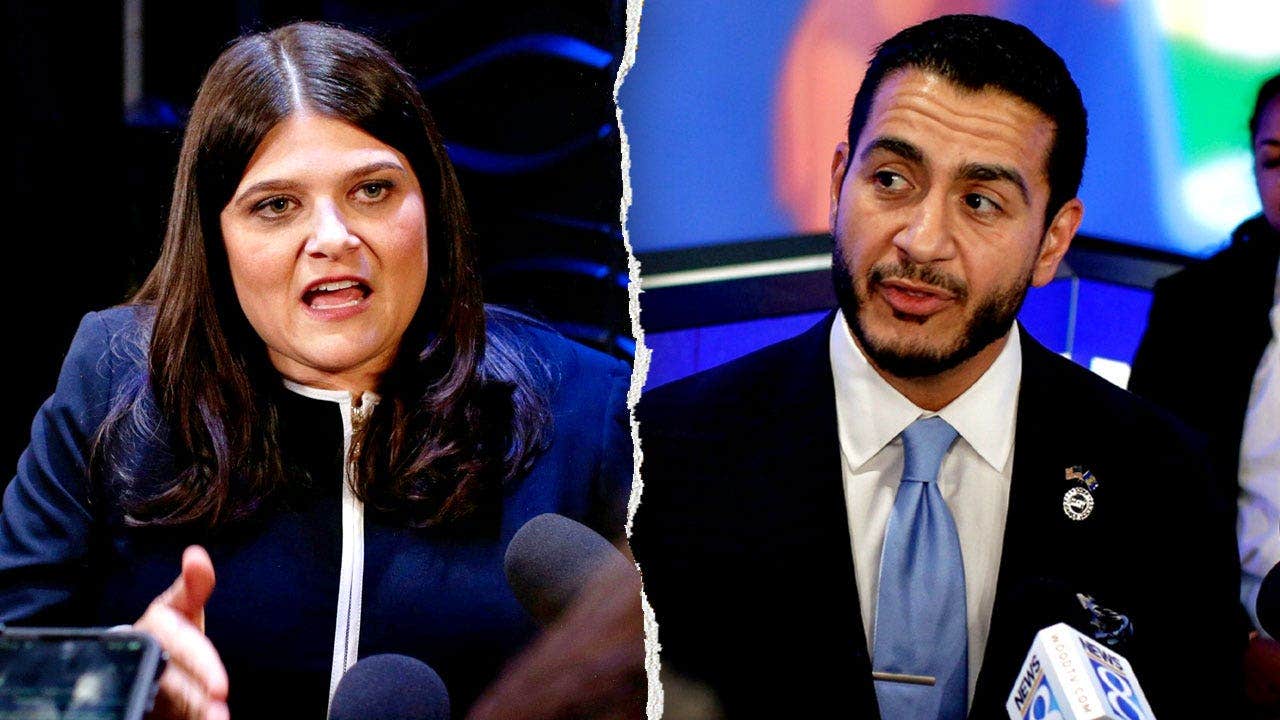
A Detroit News/WDIV poll conducted by Glengariff Group of 500 likely Democratic primary voters (margin of error ±4.4 points) shows Rep. Haley Stevens at 48% and Abdul El-Sayed at 41% with about 10% undecided ahead of the Aug. 4 Michigan Democratic Senate primary. The poll reports Stevens leading by 46 points among Black voters and by 22 points among non-college-educated voters; El-Sayed leads by 12 points among White voters and by seven points among college-educated voters. Stevens is backed by Senate Democratic Leader Chuck Schumer and retiring Sen. Gary Peters; El-Sayed is endorsed by Sen. Bernie Sanders and Rep. Alexandria Ocasio-Cortez. Outside spending has been large, notably nearly $15 million from United Democracy Project (an AIPAC-aligned PAC) supporting Stevens and opposing El-Sayed. The winner will face former Rep. Mike Rogers in the general election for an open Senate seat that Democrats view as critical to their effort to regain a Senate majority. The poll was conducted after a televised debate between the two candidates and after progressive candidate Mallory McMorrow suspended her campaign.
Biblical Reflection
The article reports poll data and endorsements but frames the contest using charged language (e.g., "far-left," "civil war") that signals an editorial perspective and may prime readers to view one side as extreme. The raw facts—the poll's sample size, margin of error, undecided share, and timing—should temper strong conclusions about the nominating contest. Christian discernment calls us to weigh information carefully: seek accuracy (note statistical limits), avoid demonizing opponents, and resist partisan caricature. The policy stakes described (health care, immigration enforcement, abortion, foreign policy) matter for neighbors’ welfare; Christians should prioritize truth, mercy, and the common good when evaluating claims about electability or character. Also be alert to influence from large outside spenders and how media framing can amplify particular fears or narratives. Ultimately, voting and public discourse are opportunities to practice humility, love for the vulnerable, and courage to advocate for policies that promote human flourishing rather than tribal advantage.
Scripture in context
This outlook does not yet include contextual Scripture citations. Do not treat a general biblical theme as an exegetical conclusion.
Faithful Response
No prescribed response is offered. Consider the reflection prompts below in your own church context.
Reflection and Discussion
- 1How does the article’s choice of labels (for example, "far-left" or "civil war") shape my perception of the candidates before I examine the data?
- 2Given the poll’s sample size, margin of error, and undecided voters, how confident should I be about predicting the primary’s outcome?
- 3Are the article’s concerns framed more around electability and political risk than around concrete policy effects on vulnerable people?
Sources
Reporting links are evidence inputs; Sanctuary News' biblical reflection is commentary.
This outlook currently relies on fewer than two linked sources. Broaden verification before teaching from it.
- 1.Original reportprimary