News Summary
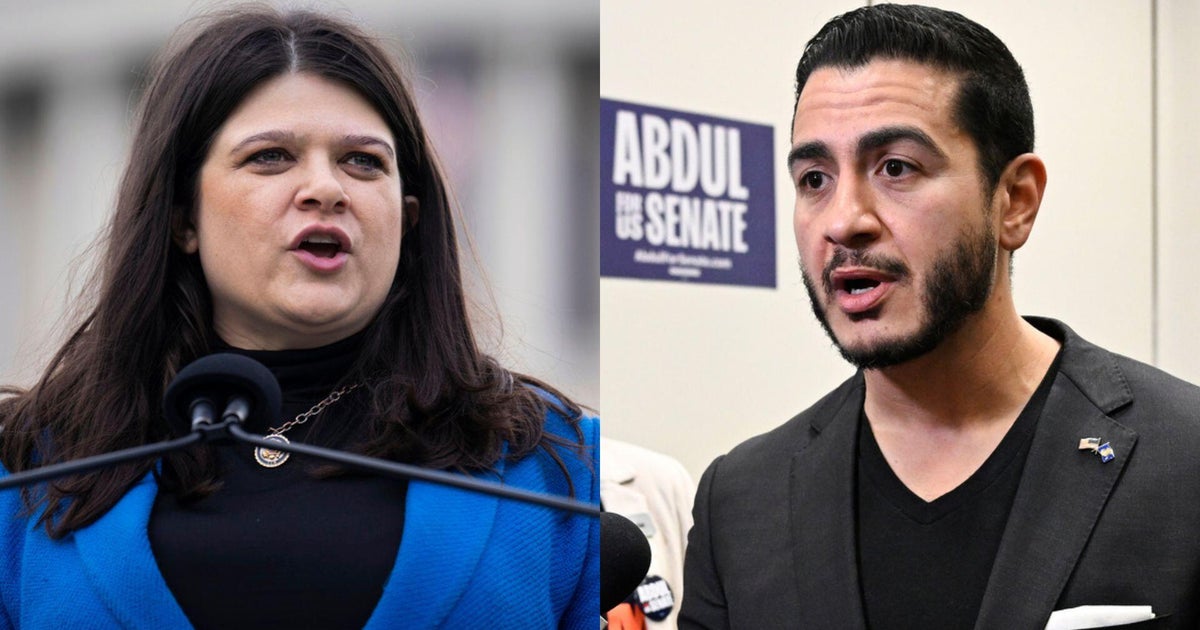
With state Sen. Mallory McMorrow suspending her campaign, the remaining Democratic contenders for Michigan's open U.S. Senate seat are Rep. Haley Stevens and former state health official Abdul El‑Sayed. The two are scheduled to debate on Tuesday ahead of the Aug. 4 primary. Stevens is described as a moderate with endorsements including Senate Minority Leader Chuck Schumer and backing from pro‑Israel groups such as AIPAC; El‑Sayed is described as a progressive supported by Sen. Bernie Sanders and Rep. Alexandria Ocasio‑Cortez. The primary winner will face former GOP Rep. Mike Rogers in the general election for the seat being vacated by retiring Democratic Sen. Gary Peters. Both campaigns have highlighted differences on Israel — El‑Sayed has criticized U.S. aid to Israel and the influence of pro‑Israel political spending, while Stevens has been more supportive of Israel and criticized El‑Sayed’s ties to controversial online commentator Hasan Piker. The race is considered a key contest for control of the U.S. Senate.
Biblical Reflection
This article reports a routine but consequential moment in an important Senate primary, showing how intraparty divisions and foreign policy debates are shaping voter choices. The framing is largely factual, focused on endorsements and contrasts over Israel and campaign allies, but it does not probe deeper policy specifics on domestic issues that also matter to Michigan voters. From a Christian perspective, the coverage highlights common civic temptations: loyalty to party or donor interests over the common good, and a tendency to reduce moral questions to political signals. Christians should weigh candidates by truthfulness, compassion, and tangible commitments to neighbor‑care (both locally and in foreign policy), not merely by personalities or hot‑button endorsements. The article’s emphasis on endorsements and controversy signals the role of money and identity politics; readers should watch for whether substantive policy proposals and character assessments are being crowded out by partisan positioning.
Scripture in context
This outlook does not yet include contextual Scripture citations. Do not treat a general biblical theme as an exegetical conclusion.
Faithful Response
No prescribed response is offered. Consider the reflection prompts below in your own church context.
Reflection and Discussion
- 1How might campaign endorsements and outside spending be reshaping what voters perceive as the moral priorities of each candidate?
- 2Are we treating complex foreign‑policy questions as partisan identity tests rather than opportunities to pursue mercy, justice, and careful stewardship?
- 3Does the coverage help voters evaluate character and concrete policy plans, or does it reward spectacle and tribalism?
Sources
Reporting links are evidence inputs; Sanctuary News' biblical reflection is commentary.
This outlook currently relies on fewer than two linked sources. Broaden verification before teaching from it.
- 1.Original reportprimary