News Summary
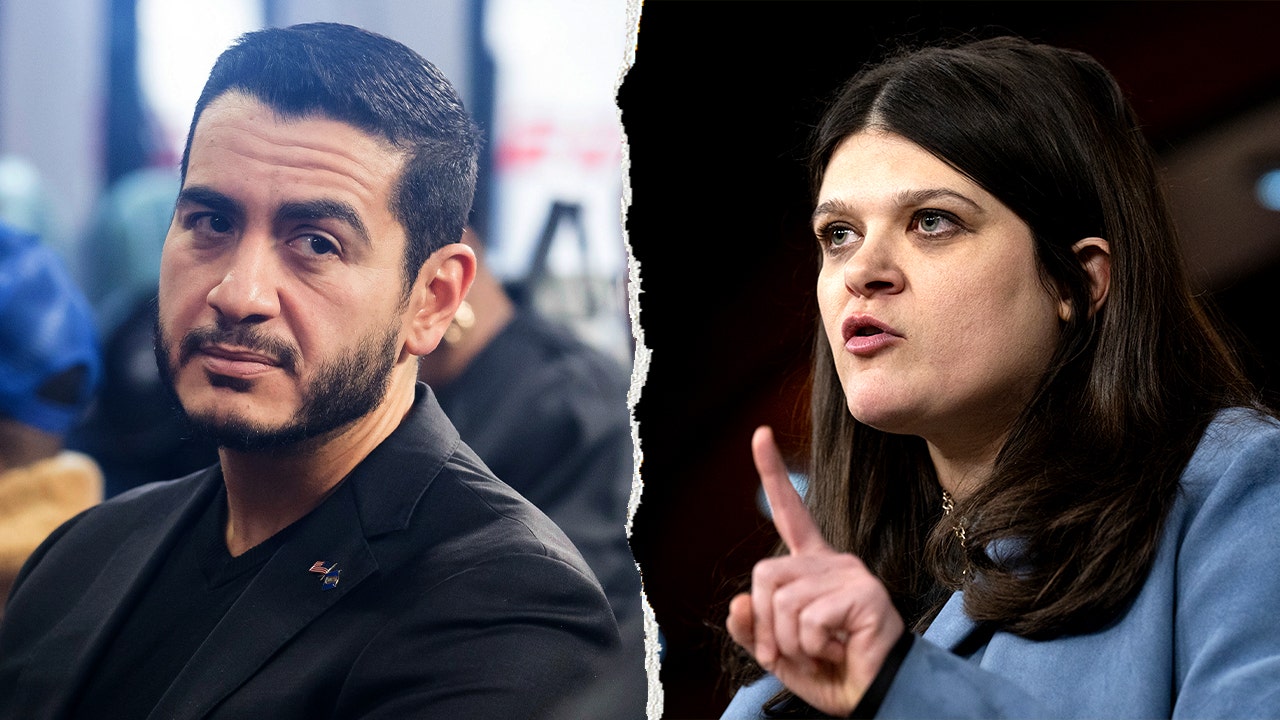
About four weeks before the Aug. 4, 2026 Michigan Democratic Senate primary, Rep. Haley Stevens and Abdul El‑Sayed debated the party’s choice for the open U.S. Senate seat. Stevens, backed by Senate Minority Leader Chuck Schumer and establishment-aligned outside spending, emphasized her record in Congress, support for a two-state solution on Israel, bipartisan achievements on manufacturing, and said she had released her tax returns. El‑Sayed, endorsed by progressive figures including Sen. Bernie Sanders and Rep. Alexandria Ocasio‑Cortez and supported by the UAW, positioned himself as an outsider opposing corporate influence, called for Medicare‑for‑All and abolishing ICE, criticized Israel’s conduct in Gaza, and accused establishment Democrats of being influenced by pro‑Israel and corporate groups. Both candidates sparred over outside spending and transparency—Stevens pressed El‑Sayed to release tax returns while El‑Sayed alleged GOP and establishment money was shaping the race. The debate also covered childcare policy, artificial intelligence regulation, data centers and utility costs, and U.S. involvement in Iran. Two days earlier, progressive state Sen. Mallory McMorrow suspended her campaign and pledged to support the eventual nominee. The winner of the Democratic primary will face former Rep. Mike Rogers in the general election for a seat Democrats consider critical to retaining Senate control.
Biblical Reflection
This debate highlights a real strategic and moral question within the Democratic party: who will best serve the common good and win in a closely divided state? Practically, both candidates framed the contest around integrity, transparency, and whose interests they represent—corporate donors, organized labor, or grassroots voters. Christians should note several truths and cautions: first, calls for transparency (tax returns, funding sources) are legitimate probes of public trust and should be pursued calmly and factually rather than as rhetorical blows. Second, heated labels—"far‑left," "bought off," or claims of outside actors manipulating outcomes—simplify complex incentives; verify evidence before accepting such framings. Third, policy debates (immigration enforcement, healthcare, Israel) raise real moral concerns about justice, mercy, and the protection of the vulnerable; Christians can apply consistent moral reasoning rather than partisan reflex. The article’s tone and wording (e.g., emphasis on a "fiery" clash) reflect an appetite for conflict that can obscure underlying policy differences; readers should separate theatrical debate moments from substantive policy commitments. Finally, remember that political allegiance must be subordinate to the call to love neighbor, seek justice, and pursue truth—evaluating candidates by both means (how they run and who they serve) and ends (what policies will protect and uplift people).
Scripture in context
This outlook does not yet include contextual Scripture citations. Do not treat a general biblical theme as an exegetical conclusion.
Faithful Response
No prescribed response is offered. Consider the reflection prompts below in your own church context.
Reflection and Discussion
- 1Which specific facts (donor lists, voting records, endorsements) would best verify each side's claims about influence and transparency?
- 2How does media framing of conflict affect our ability to weigh policy proposals on their moral merits rather than on personalities?
- 3When competing civic goods (electability, justice, economic fairness, national security) conflict, how should Christians order those priorities in public judgment?
Sources
Reporting links are evidence inputs; Sanctuary News' biblical reflection is commentary.
This outlook currently relies on fewer than two linked sources. Broaden verification before teaching from it.
- 1.Original reportprimary