News Summary
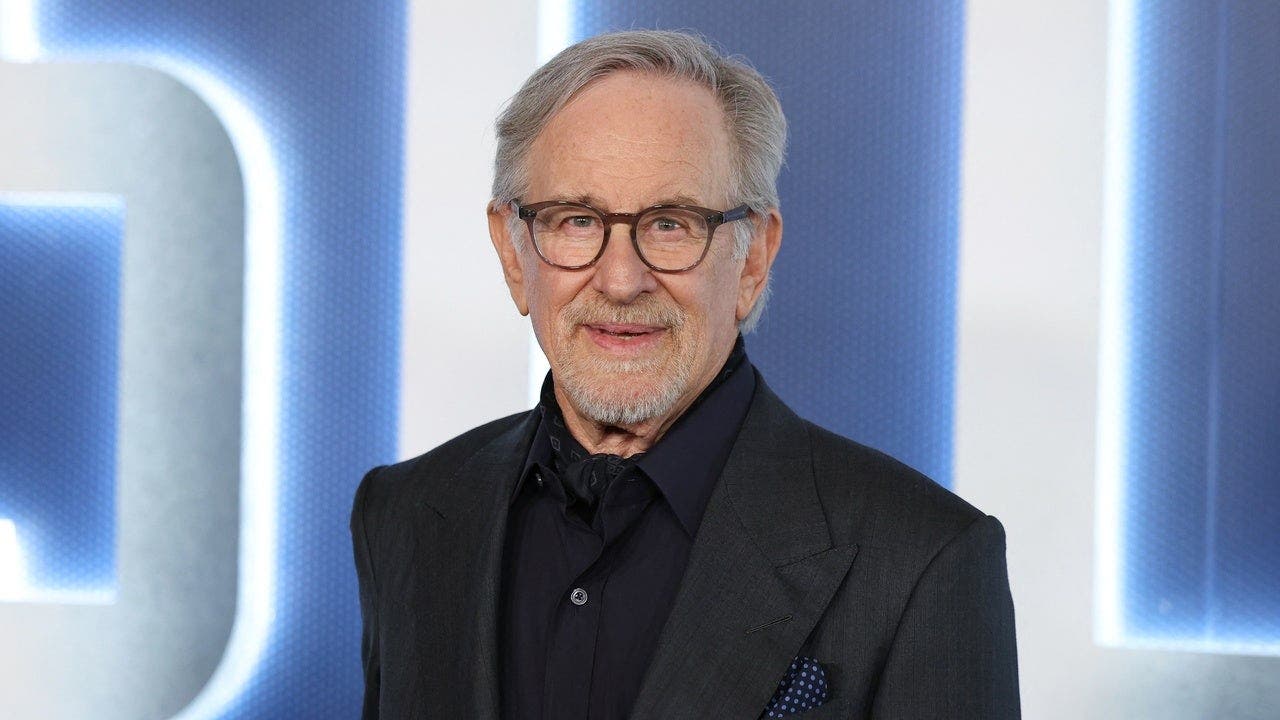
While promoting his new film Disclosure Day, Steven Spielberg said he has grown more willing to trust people who report seeing UFOs, citing decades of reports, smartphone videos, documentaries, and testimony from military and government figures. He acknowledged he has not personally seen a UFO and joked about not having been visited, but said the accumulation and consistency of accounts moved the subject into the mainstream for him. Spielberg described using those reports as a credible foundation for his science-fiction film, which centers on a whistleblower and a TV meteorologist exposing a long-running government cover-up about extraterrestrial life. The article also notes his recent comments about resisting modern edits to older films and admitting a past editing decision regarding E.T.
Biblical Reflection
Spielberg's shift illustrates how repeated testimony and curated documentary material can change public attitudes toward formerly fringe subjects. His conviction is based largely on accumulated anecdote, video clips, and high-profile witnesses rather than new reproducible scientific proof. From a Christian perspective this calls for a balance of charity and discernment: show respect and compassion for those who report extraordinary experiences, but test claims carefully and avoid moving from respectful listening to uncritical acceptance. Be aware of cognitive biases—selection, confirmation, and authority bias—especially when a storyteller or celebrity frames the issue. Also remember the cultural power of story: filmmakers shape how we interpret ambiguous evidence. Christians should seek truth (not merely entertainment), protect the vulnerable who may be harmed by false claims, and keep the gospel priorities—love of neighbor and humility—central when engaging unusual or speculative topics.
Scripture in context
This outlook does not yet include contextual Scripture citations. Do not treat a general biblical theme as an exegetical conclusion.
Faithful Response
No prescribed response is offered. Consider the reflection prompts below in your own church context.
Reflection and Discussion
- 1How does the endorsement of a respected storyteller change the way we evaluate extraordinary claims, and what safeguards should we use to separate compelling narrative from reliable evidence?
- 2Which forms of evidence (eyewitness testimony, video, official testimony, reproducible data) ought to weigh most heavily when assessing public claims about unexplained phenomena?
- 3Are our faith and hope being redirected toward sensational answers about the cosmos instead of being rooted in Christ and neighborly care?
Sources
Reporting links are evidence inputs; Sanctuary News' biblical reflection is commentary.
This outlook currently relies on fewer than two linked sources. Broaden verification before teaching from it.
- 1.Original reportprimary