News Summary
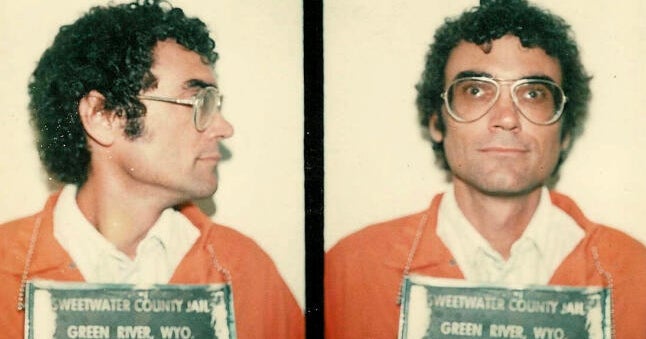
Federal authorities say Stephen Craig Campbell, 73, assumed the identity of Walter Lee Coffman (a University of Arkansas graduate who died in a 1975 car crash) beginning in 1984 and used it for more than 40 years. Campbell allegedly applied for a U.S. passport in Coffman's name in 1984 and renewed it multiple times through at least 2015, using his own photograph and address. He later obtained a Social Security card in Coffman's name in 1995 after contacting the Social Security Administration to remove death records and applied for retirement benefits beginning in 2015. Investigators say Campbell evaded a 1983 Wyoming warrant for failing to appear on an attempted murder charge. He was arrested in Weed, New Mexico, on Feb. 19, 2025. After his arrest, authorities recovered 57 firearms and a large quantity of ammunition from his residence; officers say he initially confronted them with a loaded rifle but complied with commands to set it down. Federal prosecutors allege Campbell planted an explosive device at the residence of his estranged wife's boyfriend in 1982, injuring the woman and damaging homes. Campbell has pleaded guilty to misuse of a passport, possession of false papers to defraud the U.S., aggravated identity theft, and possessing a firearm and ammunition as a fugitive; he faces an expected sentence of about 12 years. Investigators estimate he received roughly $140,000 in government funds under the stolen identity. Authorities have noted that limitations in past technology made long-term concealment easier than it would be today.
Biblical Reflection
The reporting cites official sources (U.S. Attorney’s Office, FBI) and presents a chronology of alleged criminal acts; it reads as a straightforward law-enforcement account rather than opinion. The core facts — prolonged identity theft of a deceased person, evasion of an outstanding violent-crime warrant, alleged use of explosive device, weapons in the home, and federal fraud charges — point to serious harm to both named victims and public trust. From a Christian perspective, the story surfaces several moral concerns: deliberate deception and taking what is not yours violates the command to love your neighbor and to pursue truth; evading accountability when others are harmed frustrates justice; and the long delay between the original crimes and accountability reminds us that sin and injustice can have long, hidden consequences. At the same time, Christian wisdom calls for careful distinction between seeking justice and reveling in sensational details. The victims — including the woman injured by the explosion and the family of the deceased man whose identity was stolen — deserve compassion, restitution where possible, and honest reporting. Christians should hold to both truth and mercy: support lawful accountability for wrongdoing, advocate protections for vulnerable people (including the deceased and their families), encourage systemic improvements that prevent identity exploitation, and pray for genuine repentance and restoration where possible.
Scripture in context
This outlook does not yet include contextual Scripture citations. Do not treat a general biblical theme as an exegetical conclusion.
Faithful Response
No prescribed response is offered. Consider the reflection prompts below in your own church context.
Reflection and Discussion
- 1How does this case reveal weaknesses in systems (records, benefit safeguards, interagency communication) that can harm the living and dishonor the dead?
- 2When we hear about long-hidden wrongdoing, how can we resist sensationalism while still calling for full accountability and care for victims?
- 3How should Christians balance the demand for justice with the call to pray for repentance and restoration in cases of ongoing harm?
Sources
Reporting links are evidence inputs; Sanctuary News' biblical reflection is commentary.
This outlook currently relies on fewer than two linked sources. Broaden verification before teaching from it.
- 1.Original reportprimary