News Summary
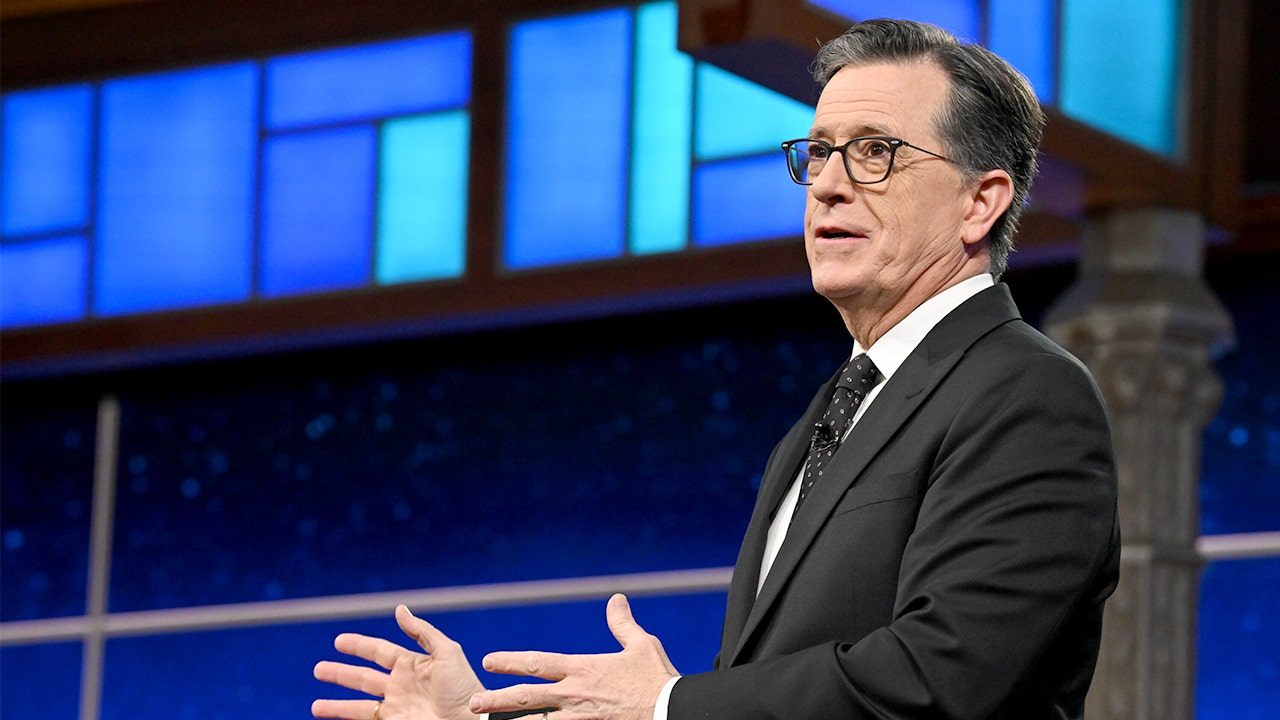
The article reports on a heated dispute involving Stephen Colbert, CBS, and the Federal Communications Commission (FCC) centered around a controversial interview with Texas Democratic Senate candidate James Talarico on 'The Late Show.' CBS announced the cancellation of Colbert's show, citing financial reasons, but critics allege political motives related to CBS's parent company Paramount's merger with Skydance, which required FCC approval. The FCC had recently enforced rules requiring equal broadcast time for all qualified political candidates, leading CBS lawyers to advise against airing the Talarico interview on TV. Colbert claimed censorship, sharing the interview on YouTube instead. This move sparked debate about censorship, political gamesmanship, and media bias, with both liberal and conservative critics accusing the other side of manipulating the narrative. The controversy also resulted in increased publicity and fundraising for Talarico. The FCC and CBS both denied intentional censorship, emphasizing the legal complexities of equal-time rules. The episode highlighted deep mistrust between media, government regulators, and the public, particularly regarding the perceived influence of politics on entertainment and journalism.
Biblical Reflection
From a Scriptural perspective, this story reveals the dangers of pride, partisanship, and the pursuit of influence over truth. The ongoing conflict between Colbert, CBS, and the FCC demonstrates how media, politics, and entertainment can become entangled in self-interest, accusations, and manipulation. Scripture calls us to honesty, humility, and peace (James 3:17-18), yet much of the rhetoric here is marked by blame, suspicion, and divisiveness. The charges of censorship, counter-charges of media bias, and the leveraging of controversy for personal or political gain all show how easily the pursuit of power and recognition can overshadow a commitment to truth and fair dealing. Christians are reminded that our speech and actions should aim for integrity (Ephesians 4:25), and that we are to be peacemakers, not fuelers of strife. The episode also calls into question whose voices are truly being served—those of the powerful, or the common good. As believers, we are called to discernment and to pray for leaders and institutions, that they may act justly and promote truth over expedience.
Scripture in context
This outlook does not yet include contextual Scripture citations. Do not treat a general biblical theme as an exegetical conclusion.
Faithful Response
No prescribed response is offered. Consider the reflection prompts below in your own church context.
Reflection and Discussion
- 1How can I discern truth and integrity amid media and political controversies?
- 2In what ways am I tempted to participate in or spread divisiveness rather than seeking peace and understanding?
- 3How does my response to public disputes reflect Christlike humility and a commitment to truth?
Sources
Reporting links are evidence inputs; Sanctuary News' biblical reflection is commentary.
This outlook currently relies on fewer than two linked sources. Broaden verification before teaching from it.
- 1.Original reportprimary