News Summary
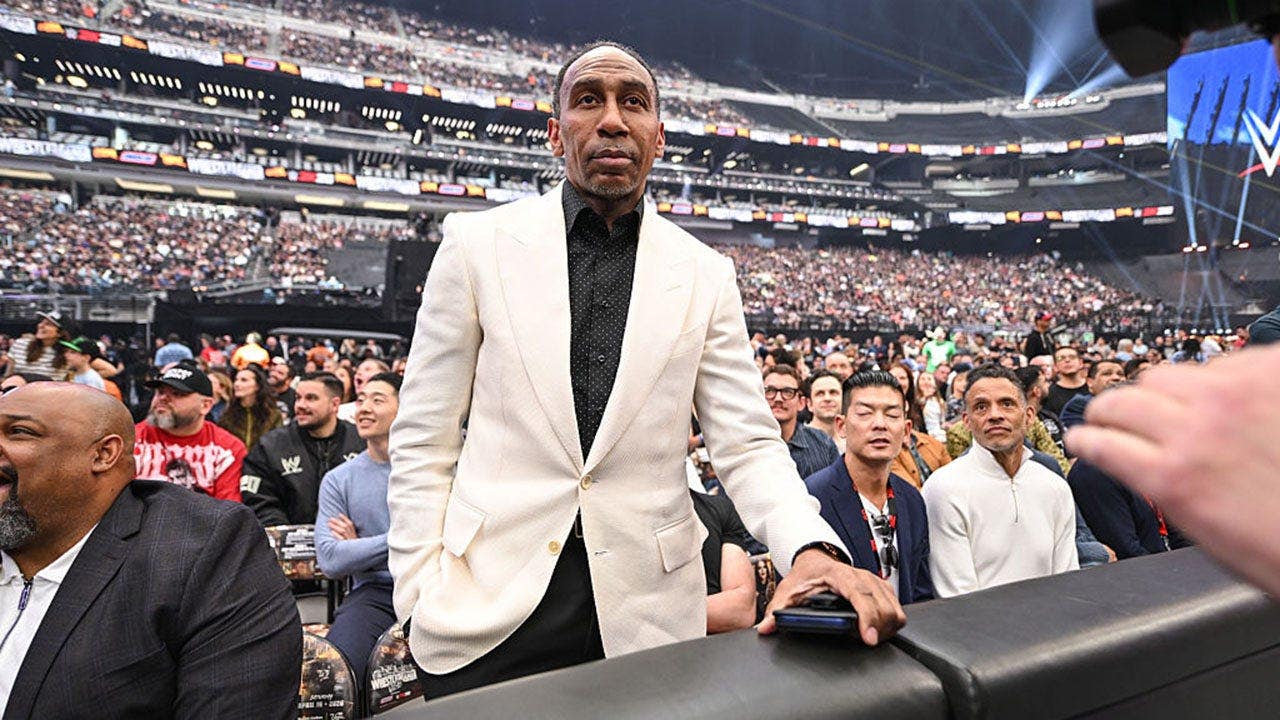
On a recent episode of First Take, commentator Stephen A. Smith said President Donald Trump "has no business" attending Game 3 of the NBA Finals at Madison Square Garden, calling the appearance "selfish" and "narcissistic" and saying it would contribute to disruption at the venue. Smith insisted his objection was not political, saying he would feel the same about other presidents. Critics and commentators challenged his consistency, citing past apologies Smith made after criticizing prominent Black politicians and questioning whether Smith would hold the same view about former President Barack Obama. The article notes Trump was expected to attend the game and quotes NBA Commissioner Adam Silver expressing pleasure that a New Yorker would join Knicks celebrations. The writer (Bobby Burack) characterizes Smith's plea as presumptuous and highlights Smith’s own public appearances, suggesting hypocrisy and overestimation of his influence on the president's choices.
Biblical Reflection
This story sits at the intersection of media commentary, celebrity influence, and civic life. The piece critiques a public figure for publicly urging a sitting president to stay away from a high-profile sporting event; it pushes the narrative that Smith's commentary is performative and possibly inconsistent. As Christians, we should be attentive to the difference between calling out genuine harm and indulging in partisan shaming. The article itself uses ad hominem tone and selective examples to undermine Smith’s credibility rather than engaging with principled reasons for or against a president attending a public event. Biblically, humility and careful speech matter: public leaders and commentators ought to be held accountable, but accusations about motive or character should be measured and supported by evidence. Also weigh practical concerns honestly — presidential attendance can raise security burdens and possible disruptions — without reducing every public action to a moral failing or theatrical provocation. Finally, beware of media incentives: both the original commentator and this critique are shaped by ratings, outrage, and persona, which can distort honest civic conversation and make it harder for neighbors to relate in charity and truth.
Scripture in context
This outlook does not yet include contextual Scripture citations. Do not treat a general biblical theme as an exegetical conclusion.
Faithful Response
No prescribed response is offered. Consider the reflection prompts below in your own church context.
Reflection and Discussion
- 1Are accusations about motive being supported by evidence, or are they serving a rhetorical point?
- 2Do we apply the same standard of critique to public figures across political or racial lines, or do tribal loyalties shape our judgments?
- 3How does outrage-driven media coverage change the way we think about public acts that blend civic presence and spectacle?
Sources
Reporting links are evidence inputs; Sanctuary News' biblical reflection is commentary.
This outlook currently relies on fewer than two linked sources. Broaden verification before teaching from it.
- 1.Original reportprimary