News Summary
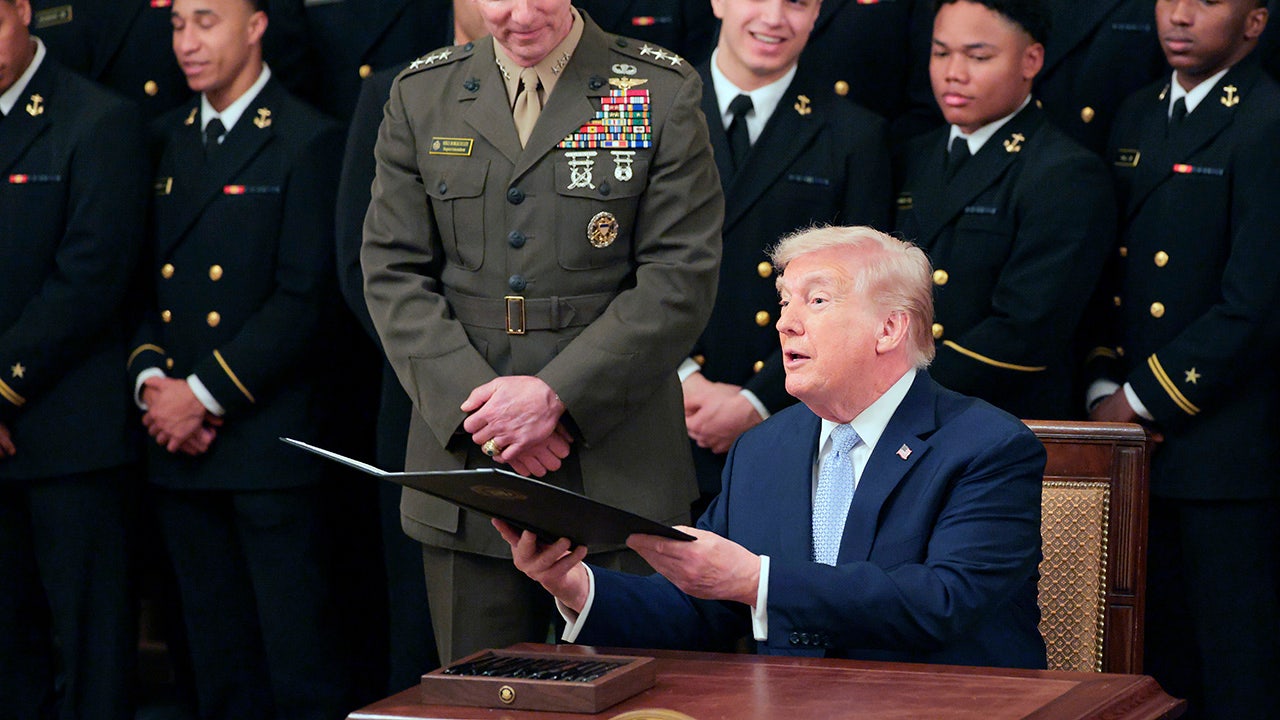
President Donald Trump signed an executive order titled “Preserving America’s Game” to ensure the annual Army–Navy football game retains an exclusive four-hour broadcast window on the second Saturday in December, preventing other college football games from competing during that timeslot. He signed the order during a White House event celebrating Navy’s Commander-in-Chief’s Trophy victory. Trump framed the move as protecting a national tradition from College Football Playoff expansion and big broadcasting money; he acknowledged a likely lawsuit but expressed confidence in winning. Sports commentator Stephen A. Smith publicly denounced the order on his radio show, calling it presidential overreach and criticizing the president for interfering with broadcast and consumer choice. The article notes that the Army–Navy game is currently contracted to CBS through 2038 and places the order in the context of scheduling pressures from an expanding playoff system.
Biblical Reflection
Scripturally assessed, there are two clear moral currents here. On one hand, honoring the military and valuing national traditions is consistent with biblical commands to respect those who serve and to give honor where it is due (e.g., 1 Peter 2:17). Preserving a special time to commemorate sacrifice and service can be a legitimate public good. On the other hand, the manner of enforcing that preservation by executive fiat raises concerns about pride, the improper use of authority, and trampling on others’ legitimate freedoms. Scripture warns against leaders who ‘lord it over’ people and exhorts rulers to lead as servants (Matthew 20:26–28). When government action unnecessarily restricts the marketplace of media or overrides private arrangements, it can reflect an unhealthy concentration of power and a failure of humility and prudence. Stephen A. Smith’s indignation functions like a prophetic voice calling out perceived overreach — Christians should not reflexively defend a leader but measure actions against justice, wisdom, and the common good. A faithful Christian response would hold up respect for the military and tradition while advocating for lawful, humble, and limited use of authority, seeking dialogue and legal due process rather than cheerleading unilateral imposition.
Scripture in context
This outlook does not yet include contextual Scripture citations. Do not treat a general biblical theme as an exegetical conclusion.
Faithful Response
No prescribed response is offered. Consider the reflection prompts below in your own church context.
Reflection and Discussion
- 1When should we defend national traditions and when should we challenge government overreach that enforces them?
- 2How can Christians honor and support those who serve in the military while still holding leaders accountable for prideful or domineering actions?
- 3Does your reaction to this story reveal loyalties to a leader, to a principle (like freedom of speech/press), or to the welfare of the common good?
Sources
Reporting links are evidence inputs; Sanctuary News' biblical reflection is commentary.
This outlook currently relies on fewer than two linked sources. Broaden verification before teaching from it.
- 1.Original reportprimary