News Summary
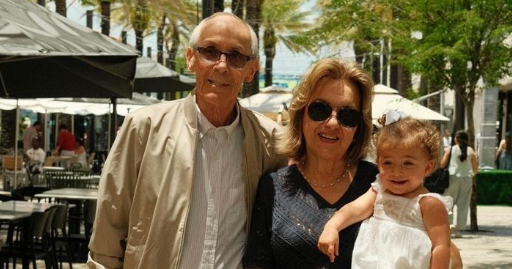
Reported facts: Hernando Salcedo was diagnosed with Stage III pancreatic cancer after experiencing mild symptoms and underwent chemotherapy, which the article says made him feel worse. Attributed claim in the headline: his participation in a clinical trial resulted in beating the odds. Uncertainty: the supplied article body does not provide clinical details, outcome metrics, the name or nature of the trial, or corroborating medical data.
Source and Framing Analysis
The single supplied source is a mainstream news outlet (CBS News). The article body provided is extremely short and contains few specifics; the headline's claim that he "beats the odds" frames the story as a triumph but the body text lacks supporting clinical details. This framing can create an implied causal link between the trial and a successful outcome that the supplied text does not prove. Material uncertainties affecting interpretation include lack of outcome data, absence of trial identification, and no medical or independent expert commentary in the provided text.
Biblical Reflection
This story centers on sickness, suffering, and medical hope—real human realities Christians have always met with prayer, care, and moral discernment. Medical advances and clinical research can be instruments of God’s common grace that relieve suffering and extend life; they deserve gratitude and careful support. At the same time, Christians should be cautious about overclaiming miracle cures or drawing theological lessons from single cases. Compassionate response includes both rejoicing with good outcomes and mourning persistent loss.
The article as supplied lacks detailed clinical data, so a faith-shaped response should combine hope with humility: hope for effective treatments, humility before medical uncertainty, and a commitment to accompany patients and families practically and spiritually. We should also steward truth by resisting narratives that convert one person's experience into general promises; medical outcomes vary and clinical trials require careful evaluation before being portrayed as broadly decisive.
Scripture in context
- 1James 5:13-16 — A New Testament instruction in a pastoral letter about prayer for the sick, mutual confession, and the laying on of hands—addressing how early Christian communities cared for illness through prayer, communal support, and invoked God’s healing. — This passage supports praying for the sick and mobilizing the faith community to care practically for those who are ill, while not prescribing that prayer substitutes for medical treatment; both prayer and sensible medical care can be held together in faithful practice.
Faithful Response
Pray for the patient, family, and medical team and offer concrete help (meals, rides, child or elder care).
Ask clarifying questions before sharing triumph narratives: seek trial name, treatment details, follow-up length, and independent medical commentary.
Encourage your congregation to support ethical clinical research—donating time, funds, or advocacy for patient access—while resisting simplistic claims about cures based on individual stories.
Reflection and Discussion
- 1How should Scripture and prayer shape our emotional and ethical response when a medical story is reported as a victory?
- 2What responsibilities do Christians have to verify medical claims before sharing them as good news?
- 3How can our local church better accompany those on experimental treatments so they are supported practically, spiritually, and ethically?
Sources
Reporting links are evidence inputs; Sanctuary News' biblical reflection is commentary.
This outlook currently relies on fewer than two linked sources. Broaden verification before teaching from it.
- 1.Grandfather with pancreatic cancer beats the odds with clinical trialprimary_reporting