News Summary
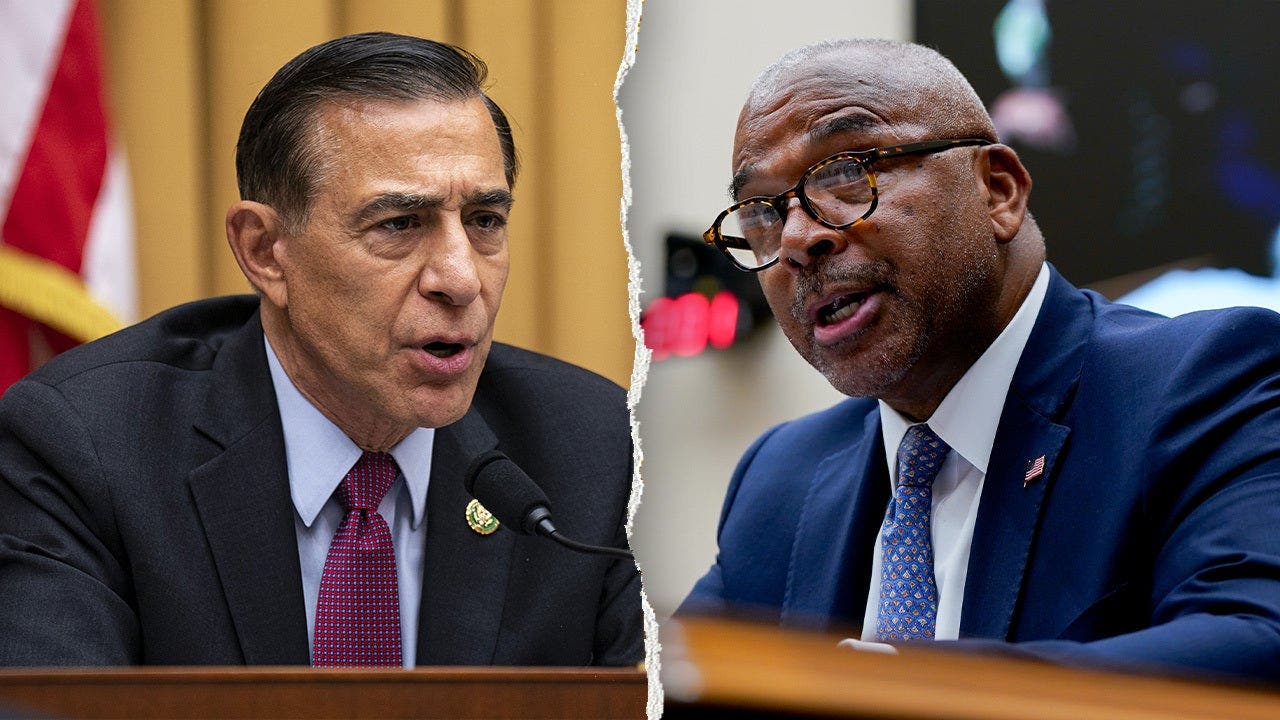
At a House Judiciary Committee hearing, Southern Poverty Law Center interim CEO Bryan Fair defended the organization's decision to list Turning Point USA (TPUSA) on its "hate map," saying TPUSA expresses views that vilify people based on immutable characteristics. TPUSA appeared alongside white supremacist and neo-Nazi groups in the SPLC's 2025 "Year in Hate & Extremism" report. Republican lawmakers pressed Fair to recant the listing and questioned SPLC's ties to the Biden administration while noting a pending DOJ criminal indictment against the nonprofit; Fair said he could not address some topics because of the ongoing probe but reiterated the SPLC's commitment to exposing hate and extremism. Rep. Chip Roy said he intends to introduce legislation to revoke the SPLC's tax-exempt status. The DOJ filed an 11-count indictment in April alleging the SPLC concealed payments to informants in extremist organizations while claiming to combat racism; Fair has denied wrongdoing and called the charges politically motivated. Democrats on the committee defended the SPLC. TPUSA representatives publicly rejected the SPLC's designation.
Biblical Reflection
This story exposes a collision of accountability, public naming, and politics. Watchdog groups play an important role in documenting dangerous ideologies, but their credibility depends on transparent methods and consistent standards; when those organizations face criminal probes or are accused of partisanship, public trust and the fairness of their judgments rightly come under scrutiny. The article is framed through a partisan lens — emphasizing Republican challenges and the DOJ indictment — so readers should note both the legal facts (an indictment exists) and the political contest over reputations and tax status. Christian discernment calls for pursuing truth and justice: insist on clear evidence and due process, resist quick demonization of people or groups, and be wary of allowing political loyalties to substitute for careful moral judgment. At the same time, the vulnerable and those harmed by hateful rhetoric deserve protection and honest exposure of real threats. Christians should press for transparency, humility from leaders on all sides, and merciful truth-telling rather than partisan scorched-earth tactics.
Scripture in context
This outlook does not yet include contextual Scripture citations. Do not treat a general biblical theme as an exegetical conclusion.
Faithful Response
No prescribed response is offered. Consider the reflection prompts below in your own church context.
Reflection and Discussion
- 1Are the standards and evidence used to label groups as "hate" or "extremist" being applied consistently and transparently?
- 2How does political polarization shape who gets investigated or branded, and what safeguards should Christians demand to prevent weaponizing reputations?
- 3When a civic institution faces legal charges, how can we hold it accountable while still avoiding dehumanizing rhetoric toward individuals tied to that institution?
Sources
Reporting links are evidence inputs; Sanctuary News' biblical reflection is commentary.
This outlook currently relies on fewer than two linked sources. Broaden verification before teaching from it.
- 1.Original reportprimary