News Summary
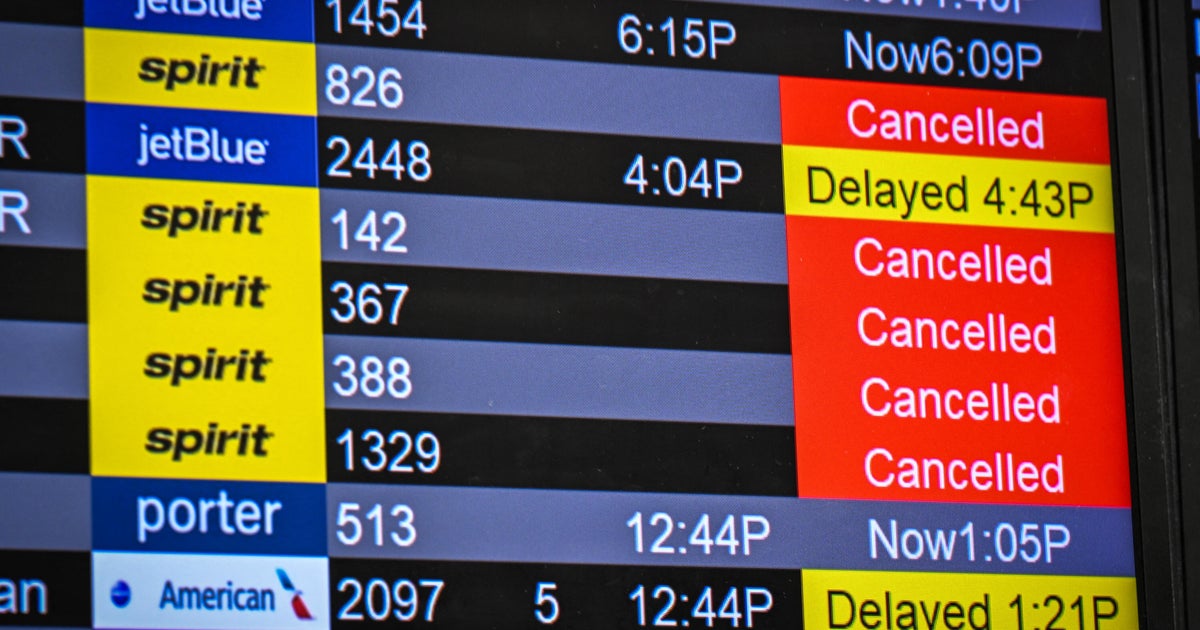
Spirit Airlines announced an orderly wind-down of operations after failing to secure a $500 million federal bailout. The carrier told CBS News it has reimbursed most customers who held flight tickets, and that a "small percentage" of refunds is still being processed. Spirit pledged to automatically refund tickets purchased with a credit or debit card. Under federal law, consumers whose paid-for services are not delivered are entitled to refunds; passengers who paid cash or used airline loyalty points generally cannot be refunded for those payments or points. Spirit said compensation for bookings made with vouchers, credits or Spirit points will be determined later in the bankruptcy process. Several other airlines responded by offering assistance: United rebooked about 14,000 former Spirit customers and offered special fares through May 16; American, Delta, Frontier and Southwest announced limited-time discounted fares for stranded Spirit passengers. JetBlue announced 11 new routes from Fort Lauderdale and offered a temporary status match for Spirit frequent flyers.
Biblical Reflection
The article is a straightforward news account focused on immediate consumer impacts and how competitors responded. Its primary framing is practical: refunds, passenger rebookings, and market adjustments. That framing aligns with objective facts reported, but it leaves deeper causes and broader consequences largely implicit—such as business strategy decisions, regulatory context, labor and safety issues, and the long-term market effects of a major low-cost carrier exiting. From a Christian perspective, several themes emerge: the moral obligation of businesses to treat customers fairly (honest dealings and timely refunds), the need for communal care when people are disadvantaged (other airlines offering help shows neighborly compassion), and the importance of stewardship and accountability in corporate decisions that affect many livelihoods. Christians should notice both compassion (companies stepping in to help) and the systemic vulnerability of consumers who pay with nonrefundable instruments (cash, points). The article does not overtly mislead, but readers should be alert to what it omits—context about why the airline failed, who bears responsibility, and how workers and vulnerable travelers will be supported long term. Scripture calls believers to pursue justice and mercy; in media consumption that means asking who is protected, who is harmed, and what practical repair looks like beyond immediate headlines.
Scripture in context
This outlook does not yet include contextual Scripture citations. Do not treat a general biblical theme as an exegetical conclusion.
Faithful Response
No prescribed response is offered. Consider the reflection prompts below in your own church context.
Reflection and Discussion
- 1Whose interests does this article center—consumers, shareholders, employees—and what important perspectives might be missing?
- 2How does the coverage highlight both individual compassion (other airlines' rescue fares) and systemic risk (nonrefundable points/cash), and what does that suggest about where justice and mercy are needed?
- 3Are there underlying economic or regulatory causes the article does not explore that would change how we judge the fairness or preventability of this disruption?
Sources
Reporting links are evidence inputs; Sanctuary News' biblical reflection is commentary.
This outlook currently relies on fewer than two linked sources. Broaden verification before teaching from it.
- 1.Original reportprimary