News Summary
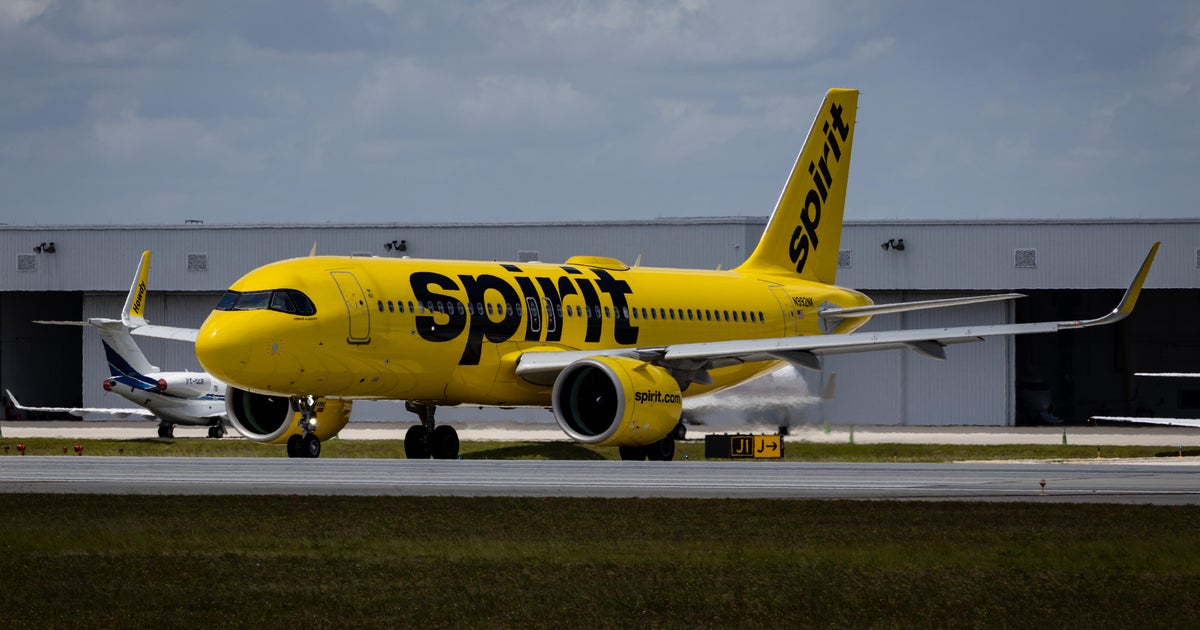
Spirit Airlines informed sources and CBS News that it was preparing to cease operations as soon as Saturday unless a last-minute intervention occurred. Negotiations over a proposed $500 million federal aid package had stalled after bondholders objected to the terms. Spirit’s available cash was expected to run out within days. Company spokespeople said flights were operating normally on Friday while the airline focused on completing scheduled services; however, early Saturday Spirit announced it had started winding down operations and was canceling all flights after failing to secure the bailout. Administration officials had been briefed and President Trump said he was “looking at” a possible deal but would proceed only if it was favorable; sources said there would be no last-minute administration bailout effort. Employees at Spirit’s Dania Beach headquarters awaited formal communication about job impacts. Industry experts said a shutdown would disrupt ticketed passengers and could raise fares in markets served by the budget carrier.
Biblical Reflection
This story puts into tension two important realities: the immediate human cost when a company teeters toward shutdown, and the broader economic and policy questions about rescue versus market consequences. The article reports facts about stalled negotiations, cash constraints, and political involvement without deep analysis of the bondholders’ objections or the terms on offer. Readers should note how attention centers on political actors and a dollar figure ($500 million), which can obscure the everyday consequences for workers, travelers, and local economies.
From a Christian perspective, several concerns arise. First, the plight of employees and families who depend on wages calls for compassionate attention (Micah 6:8; James 5:4). Christians should resist narratives that reduce people to line items in budgets or political leverage. Second, questions of stewardship and justice matter: creditors, management, and government actors all bear moral responsibility to act honestly and protect the vulnerable. Third, Christians should avoid idolizing either unfettered markets or automatic government rescues; Scripture asks for wise stewardship, love of neighbor, and just treatment of workers (Proverbs and the prophets). Finally, the media framing that emphasizes political drama (whose responsibility? which party will act?) can distract from practical needs—immediate assistance for displaced workers, clear information for passengers, and sober evaluation of what solutions will best serve the common good. Pray and act toward mercy, truth, and wise public policy rather than partisan triumphalism.
Scripture in context
This outlook does not yet include contextual Scripture citations. Do not treat a general biblical theme as an exegetical conclusion.
Faithful Response
No prescribed response is offered. Consider the reflection prompts below in your own church context.
Reflection and Discussion
- 1Whose perspectives are missing in this coverage (employees, local communities, small vendors) and how does that absence shape our judgment about the 'right' solution?
- 2Do headlines and political quotes encourage a binary choice between market failure and government bailout, and what biblical virtues (justice, mercy, prudence) might point toward more nuanced responses?
- 3When companies face collapse, where should Christian concern focus first: short-term relief for affected people, accountability for corporate and creditor decisions, or long-term systemic reforms—why?
Sources
Reporting links are evidence inputs; Sanctuary News' biblical reflection is commentary.
This outlook currently relies on fewer than two linked sources. Broaden verification before teaching from it.
- 1.Original reportprimary