News Summary
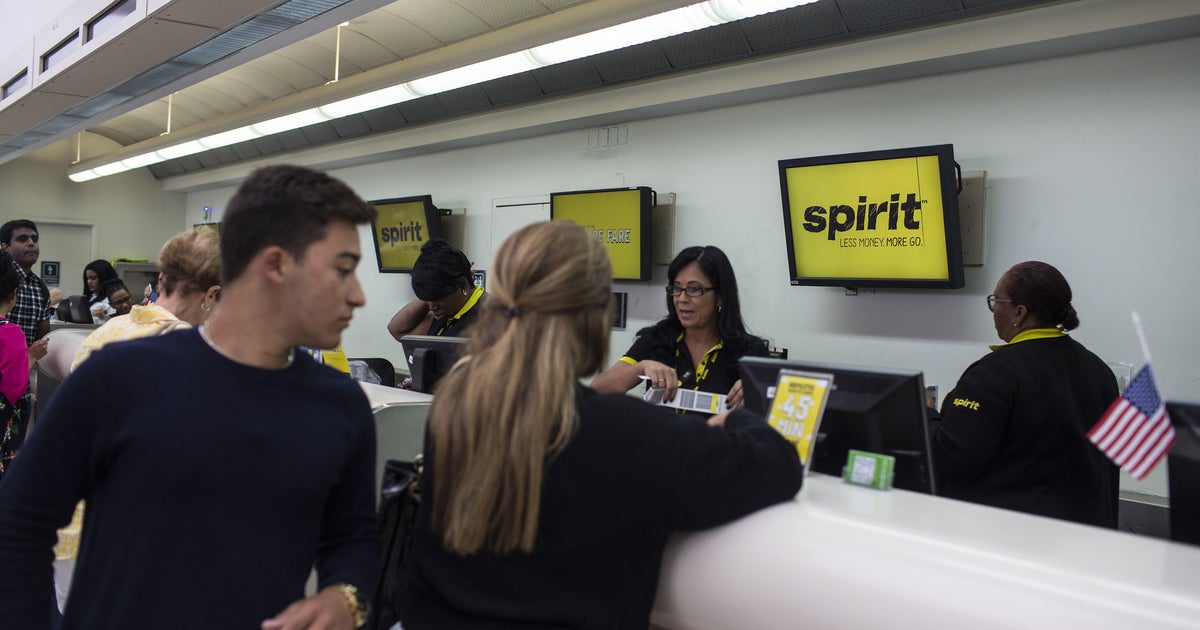
Spirit Airlines announced an orderly wind-down of operations effective immediately after efforts to secure a $500 million federal bailout failed. All Spirit flights were canceled and the carrier said it would automatically process refunds for tickets purchased directly with a credit or debit card; questions about refunds for vouchers, credits, or loyalty points will be addressed through the bankruptcy process. Industry analysts and data (Cirium) cited in the article indicate that when Spirit exits a route average round-trip fares rose about 23% (roughly $60) and passenger volume fell roughly 20% on those routes. The story notes rising jet fuel costs tied to the Iran war as an existing upward pressure on fares. Other carriers (United, American, JetBlue, Frontier) announced preparations to assist affected customers, including “rescue fares” or temporary fare caps on overlapping routes, though such fares may still be higher than prior Spirit prices and may not be available on every route. Experts advised customers to keep itineraries, monitor refunds closely, and consider disputing charges with credit card companies if service is not delivered; customers who paid cash or used Spirit points or vouchers may face greater difficulty recovering value. Analysts expect some low-cost carriers could try to enter vacated markets over a 3–6 month period, but capacity rebuilding may be constrained before the busy summer travel season.
Biblical Reflection
The article reports factual, actionable information for travelers and highlights predictable market effects when a low-cost competitor exits: reduced capacity and upward pressure on fares. From a Christian perspective, several themes stand out. First, economic systems and markets are fallible and can produce sudden hardship for ordinary people—travelers, low-wage airline employees, and families relying on affordable options—which calls for compassion and practical help (Galatians 6:2). Second, the piece centers consumer impact and practical remedies (refunds, chargebacks, rescue fares) rather than exploring the deeper corporate, regulatory, or worker-centered causes of the collapse; readers should therefore note the article’s focus on short-term consumer advice rather than systemic accountability or worker welfare. Third, the article models civic responsibility in pointing readers to legal protections (credit card chargeback rights) and to keep documentation—this is prudence and good stewardship. Christians should resist sensationalism while recognizing real harms: advocate for transparency, fair treatment of customers and employees, and practical aid to those stranded or laid off. Finally, this situation is a reminder to exercise financial wisdom (avoiding overreliance on the cheapest option without understanding risk), to support vulnerable workers and travelers with mercy, and to hold markets and leaders accountable in ways that reflect justice (Micah 6:8) and neighbor-love rather than pure profit-seeking.
Scripture in context
This outlook does not yet include contextual Scripture citations. Do not treat a general biblical theme as an exegetical conclusion.
Faithful Response
No prescribed response is offered. Consider the reflection prompts below in your own church context.
Reflection and Discussion
- 1Whose needs does this article center (consumers, shareholders, executives, employees), and what perspectives are absent or underemphasized?
- 2What structural weaknesses in the travel market and consumer protections does this shutdown reveal, and how should Christians advocate for both practical aid and systemic fairness?
- 3How does the framing of this story (focus on fares and refunds) shape our emotional response, and does it move us toward compassion and wise action or toward panic and blame?
Sources
Reporting links are evidence inputs; Sanctuary News' biblical reflection is commentary.
This outlook currently relies on fewer than two linked sources. Broaden verification before teaching from it.
- 1.Original reportprimary