News Summary
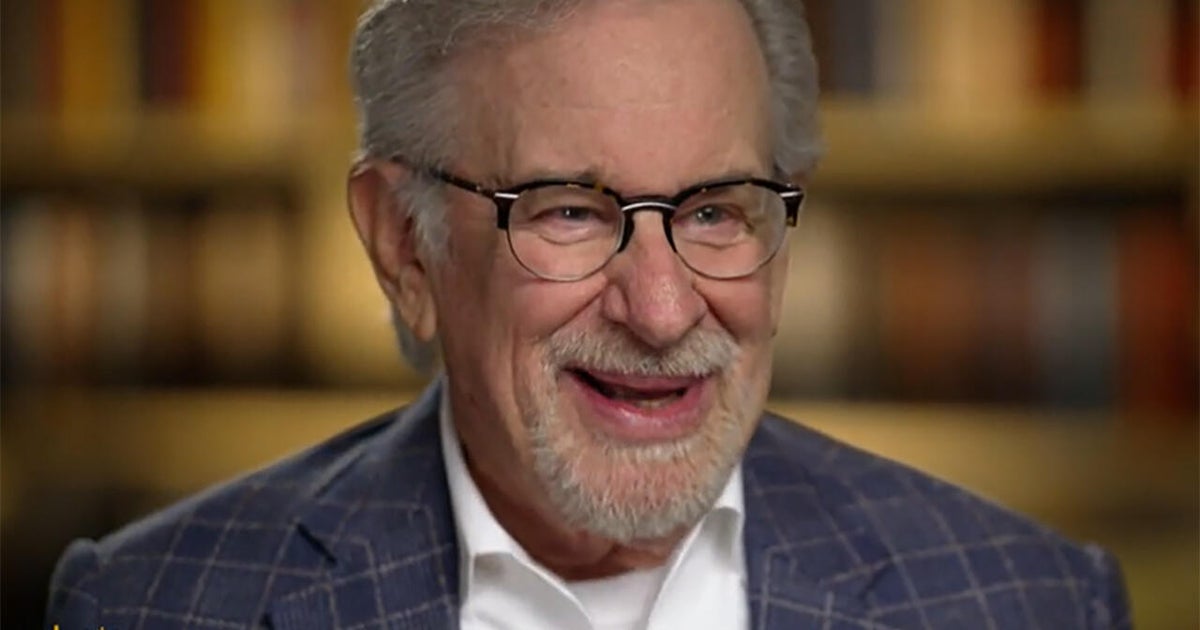
Steven Spielberg discussed his new film Disclosure Day in an interview with CBS News. The movie, positioned as a bookend to his 1977 Close Encounters of the Third Kind, is a chase-thriller that imagines a global “data dump” releasing decades of visual evidence about alleged alien visitations and the efforts to stop it. Emily Blunt stars as a Kansas City meteorologist whose life is upended by unexplained gifts. Spielberg said the film takes the point of view of believers and the curious and raises questions about how such a revelation would affect religious belief. He recounted childhood memories of a meteor shower that sparked his interest in the sky, described writing the story on his phone, and called the film fiction while also saying, based on documentaries, testimonies, and congressional hearings, that he believes aliens have been and are present. The piece includes production context, thematic framing about institutional secrecy and modern distrust, and links to interview and trailer video content.
Biblical Reflection
As a film interview and promotional piece, the article mixes artistic description with Spielberg’s personal convictions. The movie is clearly fiction; its storytelling choices are meant to provoke curiosity and suspense, not establish empirical proof. Spielberg’s public statement that he personally believes extraterrestrial visitation has occurred reflects anecdotal and circumstantial sources—testimony, documentaries, and hearings—rather than settled scientific verification. Christians should note two impulses at work: a healthy wonder at the vastness of creation, and a cultural appetite for conspiracy narratives that can deepen distrust in institutions. The film’s theological questions—about whether God’s sovereignty extends beyond Earth and what other intelligent life would mean for Christian doctrines—are legitimate subjects for sober theological inquiry, not quick answers from marketing copy. Pastors and believers should respond with truth-seeking humility: encourage careful engagement with scientific evidence, avoid treating speculative claims as settled fact, and resist fear-driven or sensationalist reactions. At the same time, the film can be an opportunity for cultivating awe, asking serious theological questions, and offering faithful witness characterized by honesty, compassion, and intellectual integrity.
Scripture in context
This outlook does not yet include contextual Scripture citations. Do not treat a general biblical theme as an exegetical conclusion.
Faithful Response
No prescribed response is offered. Consider the reflection prompts below in your own church context.
Reflection and Discussion
- 1Does the piece clearly separate storytelling and entertainment from factual claims, or does it blur the line in ways that encourage uncritical belief?
- 2How might a narrative that emphasizes institutional secrecy shape public trust, and are there Christian virtues (truth, humility, mercy) that guard against paranoia while still seeking accountability?
- 3If intelligent life elsewhere were confirmed, what theological questions should Christians prioritize, and how can the church prepare to respond faithfully without haste?
Sources
Reporting links are evidence inputs; Sanctuary News' biblical reflection is commentary.
This outlook currently relies on fewer than two linked sources. Broaden verification before teaching from it.
- 1.Original reportprimary