News Summary
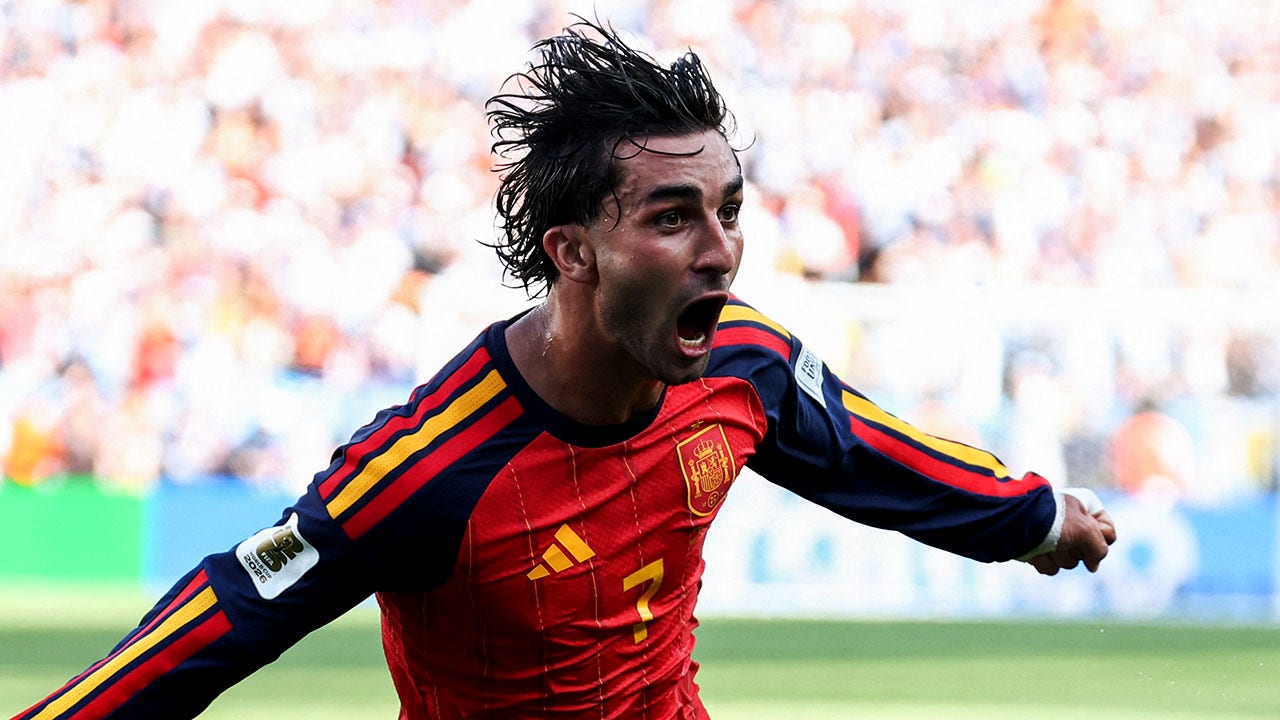
Facts reported: Spain beat Argentina 1–0 after extra time on July 19, 2026; Ferran Torres scored in the 106th minute; Enzo Fernández received a second yellow and was sent off in the 93rd minute; a Spain goal was disallowed in extra time for a foul. Attributions and uncertainty: claims about tournament statistics (Spain conceding only one goal in the tournament) and match statistics (Spain generating 20 shots, Argentina having none on target) are reported in the article but are presented without external stat-sourcing or direct quotes from FIFA, team officials, or players. The piece also reports halftime entertainment and notes that Lionel Messi may have played his final match, which is presented as a narrative frame rather than a confirmed retirement statement.
Source and Framing Analysis
Source role: Fox News Sports' article functions as primary match reporting with play-by-play detail and descriptive color. Missing voices: no direct quotes from players, coaches, referees, or FIFA match reports; no post-match statements from Argentina representatives about the red card or disallowed goal. Incentives: as a news outlet, Fox News seeks audience engagement through dramatic framing and succinct narration; sports reporting often emphasizes momentum, pivotal moments, and star narratives (e.g., Messi's possible finale). Disputed or controversial points: the disallowed goal and the referee's foul call are described as controversial but lack input from referees or VAR statements. What requires independent verification: official match statistics (shots, shots on target, possession percentages), referee report and VAR decision notes, and any definitive claim about Messi's retirement.
Biblical Reflection
This is straightforward sports reporting about a major international competition. The piece highlights human excellence, teamwork, and the emotional weight of high-stakes competition. From a Christian perspective, such events can be occasions for healthy communal joy and gratitude for giftedness, while also testing tendencies toward idolizing athletes or national pride. The article appears to be a play-by-play report with some color (halftime performers, prospective Messi retirement). Readers should note moments where emotion and controversy (the disallowed goal, the red card) invite a sober response: celebrate achievement without scorning opponents, acknowledge the pain of defeat, and push for fairness in officiating. The coverage does not overtly contradict objective facts reported, but it omits direct quotes from players, coaches, or match officials and does not include independent stat verification; those absences shape its perspective.
Scripture in context
- 1Philippians 2:3-11 — Paul addresses the Christian community in Philippi, urging humility and unity by pointing to the self-emptying example of Christ, who, though exalted, humbled himself for the sake of others. The passage appears in a letter written to encourage Christlike character in a community facing external pressures and internal rivalry. — Applied to sports: remember that personal and national glory are temporary; true honor is measured by humility, service, and how we treat opponents and the vulnerable. Victory calls for thanksgiving and responsible use of influence; defeat calls for compassion and mutual consolation.
Faithful Response
Pray briefly for the athletes, staff, and fans from both nations, asking God for humility in victory and comfort in defeat.
Resist celebrity idolatry by naming athletic success as one form of human giftedness and encouraging gratitude rather than deification.
Address controversies (e.g., officiating decisions) by seeking facts, avoiding inflammatory accusations, and calling for fair processes rather than rumor-driven outrage.
Reflection and Discussion
- 1Which details (shot counts, disallowed goal, red card) are presented as fact and which are framed to heighten drama; how would you verify them?
- 2How does linking a player's possible retirement shape the emotional narrative of the match, and what motives or audiences might that serve?
- 3In coverage of international sport, where do we see national identity amplified, and how should that influence Christian responses to celebration and grief?
Sources
Reporting links are evidence inputs; Sanctuary News' biblical reflection is commentary.
This outlook currently relies on fewer than two linked sources. Broaden verification before teaching from it.
- 1.Spain beats Argentina to win 2026 FIFA World Cup behind Ferran Torres' extra-time goalprimary_reporting