News Summary
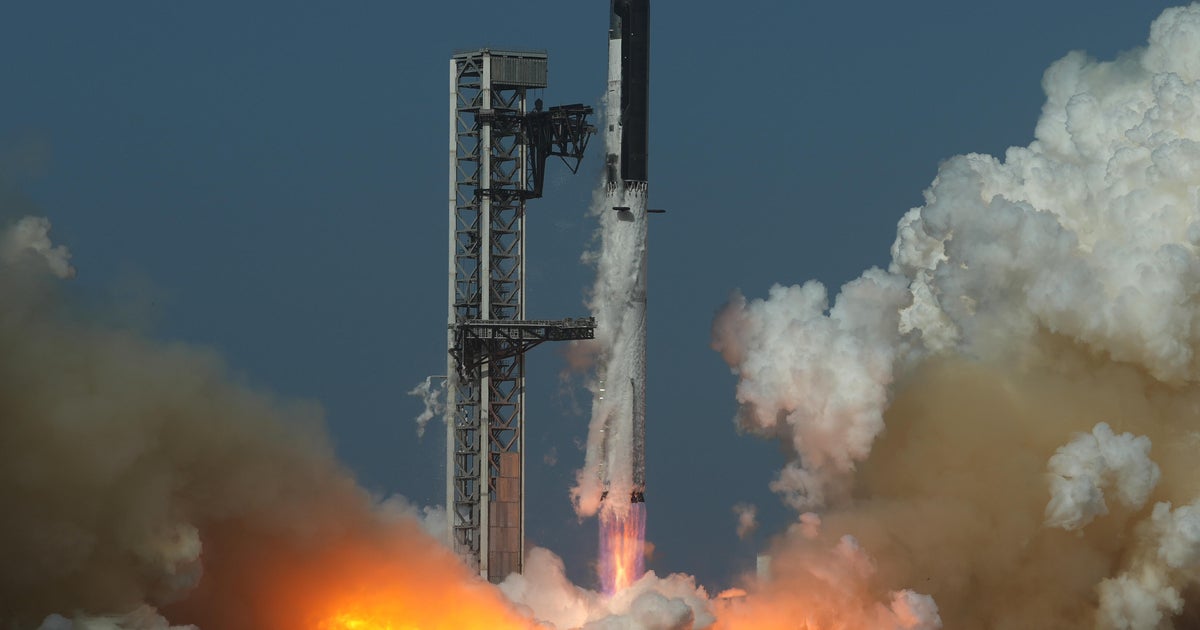
Reported facts: CBS News says SpaceX launched an upgraded Super Heavy–Starship on its 13th test flight and describes the vehicle as the "world's most powerful rocket." The article also states the rocket is intended to be key to NASA's Artemis lunar landing goals. Attributed claims: the designation "world's most powerful" and the characterization of the upgraded vehicle as "key" to Artemis are presented without supporting technical metrics or direct NASA quotations in the supplied text. Uncertainties: the supplied article body does not report detailed flight telemetry, whether the test met engineering objectives, any statements from SpaceX or NASA, regulatory or safety findings, or implications for Artemis schedules.
Source and Framing Analysis
The supplied reporting is a single mainstream news piece that summarizes the launch and its stated significance. The article uses strong framing language ("world's most powerful," "key to landing astronauts") but the supplied text lacks technical detail, outcome data, or direct quotes from involved parties. That framing can create momentum toward a celebratory narrative even when material evidence about the test's success, certification status, and schedule implications is missing. Additional independent sources (technical briefings, NASA statements, regulatory documents) are needed to resolve those gaps.
Biblical Reflection
Space exploration can inspire wonder and advance knowledge that benefits many. Christian wisdom affirms human curiosity and ingenuity as gifts to be stewarded: technological achievement is praiseworthy when pursued with truthfulness, care for human life, and an eye toward the common good. The article presents the launch as an important step for a rocket tied to NASA's Artemis goals, but it is brief and leaves important questions unanswered—about test results, safety, regulatory oversight, and how benefits will be distributed.
A faithful response balances hope and humility. Hope recognizes human creativity as a reflection of the Creator’s image; humility insists on honesty about risks, transparent evaluation of outcomes, and protection of vulnerable people and environments. Public enthusiasm for breakthroughs should not short-circuit scrutiny about safety, cost, and the fair stewardship of resources. Christians can celebrate the desire to explore while pressing for accountability, truthful reporting, and care for neighbors affected by these programs.
Practically, that means praying for those who design and test such systems, supporting transparent public oversight, and asking whether the promised benefits will be widely shared rather than concentrated. When reporting is sparse, seek further reliable sources and official statements before drawing larger conclusions or allowing technocratic optimism to eclipse concerns for safety, justice, and stewardship.
Scripture in context
- 1Psalm 8 — Psalm 8 is a short hymn that praises God's glory as seen in creation and reflects on the dignity and responsibility given to humanity within God's ordering of the cosmos. — The psalm reminds Christians that exploration and scientific discovery can be an expression of stewardship and wonder—but stewardship carries responsibility: honor creation, protect life, and exercise human ingenuity with humility before God.
Faithful Response
Pray for engineers, astronauts, regulators, and communities affected by launches and tests.
Seek further reliable information—technical reports, NASA statements, and independent analysis—before forming strong conclusions about success or strategic impact.
Encourage public accountability: support transparent reporting of safety data, environmental assessments, and budget implications.
Celebrate human creativity while advocating for policies that ensure benefits are broadly shared and risks are minimized.
Reflection and Discussion
- 1How does Scripture shape the way you evaluate claims of technological progress and national prestige?
- 2What practical forms of neighbor-love and justice should Christians insist on when large public or private projects carry safety and environmental risks?
- 3When reporting lacks technical detail, how can the Christian habit of humility guide our public judgment and discourse?
Sources
Reporting links are evidence inputs; Sanctuary News' biblical reflection is commentary.
This outlook currently relies on fewer than two linked sources. Broaden verification before teaching from it.
- 1.SpaceX's Super Heavy-Starship blasts off on 13th test flightprimary_reporting