News Summary
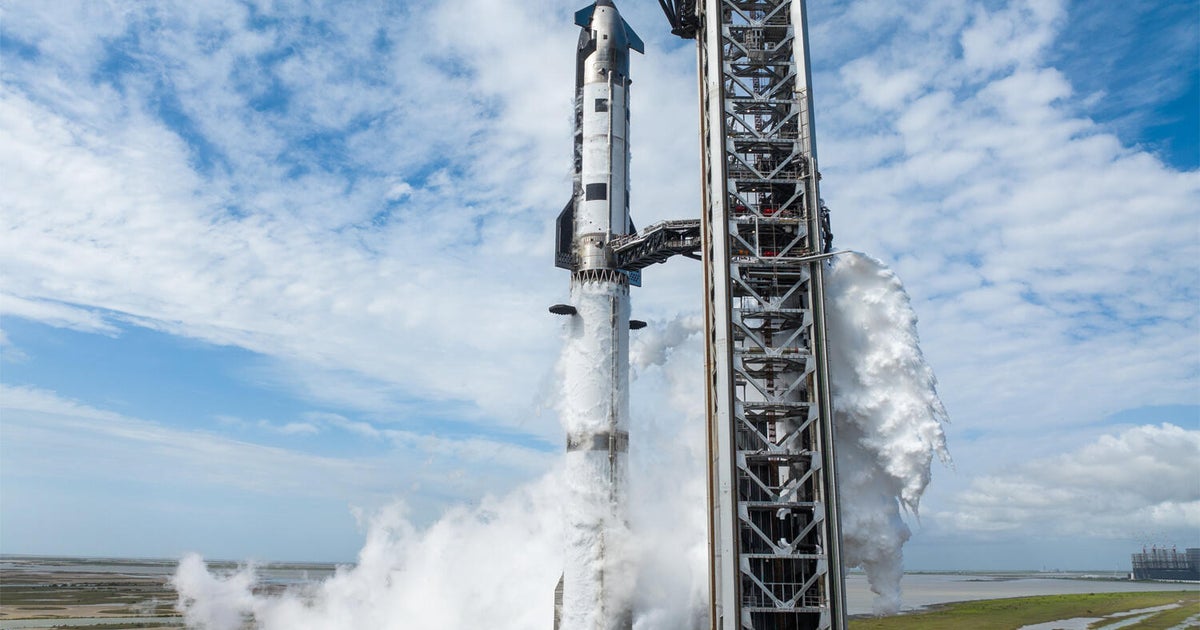
SpaceX scheduled a test flight of its upgraded "version 3" Super Heavy‑Starship integrated vehicle for May 21, 2026, from its Starbase site in Texas (6:30 p.m. ET weather permitting). This will be the 12th integrated test flight and the first flight of the version 3 booster and use of SpaceX's second Texas launch pad. Version 3 includes multiple design changes: more powerful, lighter Raptor engines (33 on the booster), structural and safety upgrades intended to enable rapid reuse, and redesigned elements learned from prior flights. For this maiden flight the Super Heavy booster will separate and perform a boostback and landing burn for a controlled splashdown in the Gulf of Mexico rather than attempting a return‑to‑launch‑site catch. The Starship upper stage will perform a suborbital trajectory, loop partway around the globe, deploy 22 Starlink simulator payloads, test heat‑shield scanning satellites, execute dynamic banking and flap stress tests, and splash down in the Indian Ocean about an hour after liftoff. Some 50 onboard cameras and Starlink will stream imagery. The article notes SpaceX's mixed record across 11 prior integrated flights — combining notable successes and high‑profile failures — and emphasizes that NASA is counting on a flight‑tested, human‑rated Starship upper stage to serve as a lunar lander for Artemis missions aimed at a crewed lunar landing before the end of 2028. Because of the technical risk, NASA is also working with Blue Origin as an alternative lander developer and plans to test rendezvous and docking procedures in low Earth orbit before committing to a lunar landing. The article outlines key technical challenges for Starship as a lunar lander: orbital refueling of cryogenic propellants (to overcome boil‑off and enable the lander to reach the Moon), multiple autonomous tanker flights, precision lunar landing on difficult terrain near the south pole, and a crew transfer sequence involving Orion docking, crew ingress/egress, an external elevator, and ascent back to lunar orbit. SpaceX's version 3 is described as a major developmental step intended to incorporate lessons from previous tests and advance toward full reuse and heavier payload capability (up to roughly 18 million pounds of liftoff thrust).
Biblical Reflection
From a Christian perspective, this story highlights human creativity and the God‑given capacities for engineering, exploration, and problem solving (Genesis 1:28; Psalm 8). The article mostly reports technical facts and program context, acknowledging both progress and unresolved risks. That balance is healthy: it neither unrealistically glorifies technological triumph nor ignores achievements. Still, readers should watch for two subtle tendencies in coverage: (1) technological triumphalism — treating success as inevitable or science as ultimate good — and (2) hero narratives that center charismatic leaders rather than the teams, risks, or ethical tradeoffs involved. Biblically, humans are called to steward creation wisely (care for creation and our neighbors) and to practice humility about limits and future plans (James 4:13–16). The article points to real technical unknowns — orbital refueling, cryogenic boil‑off, automated lunar landings — and to NASA's prudential hedge with a second contractor, which models wise caution. As Christians we can celebrate human ingenuity and the pursuit of knowledge that may yield practical benefits (satellite services, science, and potential advances in materials and cryogenics), while praying for safety for those involved, accountability in testing and regulation, and humility that places technological progress within God's sovereignty. We should also interrogate whether coverage adequately addresses environmental impacts, public costs, and the value priorities behind major space investments. Ultimately, the biblical response is gratitude for gifts of skill, sober awareness of risk and limitation, and prayerful discernment about how such projects serve the common good and glorify God rather than power, prestige, or profit alone.
Scripture in context
This outlook does not yet include contextual Scripture citations. Do not treat a general biblical theme as an exegetical conclusion.
Faithful Response
No prescribed response is offered. Consider the reflection prompts below in your own church context.
Reflection and Discussion
- 1What assumptions about certainty, control, and inevitability underlie the article's tone — and how should Christians weigh confident technological planning against the biblical call to humility about the future?
- 2Does the coverage appropriately balance celebration of innovation with attention to unresolved safety, environmental, and ethical questions (e.g., cryogenic boil‑off in orbit, lunar terrain risks, public costs)?
- 3How might Christians discern whether enthusiasm for space progress is honoring God by serving the common good, or whether it risks becoming an idol of human achievement or celebrity?
Sources
Reporting links are evidence inputs; Sanctuary News' biblical reflection is commentary.
This outlook currently relies on fewer than two linked sources. Broaden verification before teaching from it.
- 1.Original reportprimary