News Summary
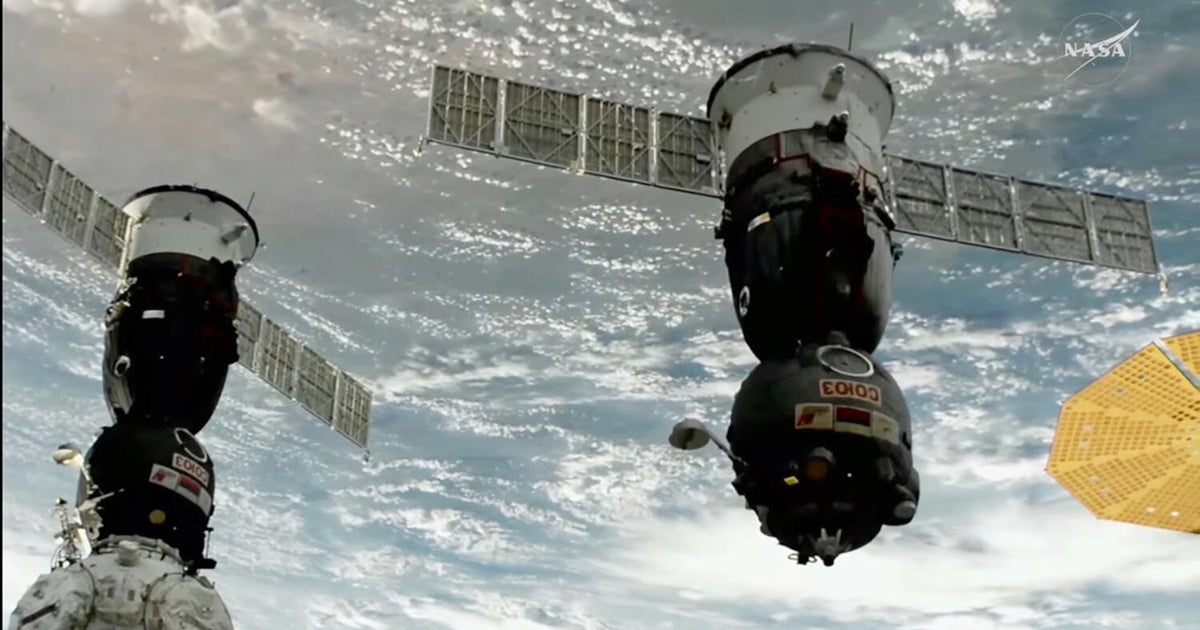
Reported facts: Soyuz MS-28 landed in Kazakhstan and concluded a 241-day mission aboard the International Space Station, returning three crew members safely. Attributed claims: the article frames the landing as a successful conclusion. Uncertainty: the report provides no names, mission objectives, scientific results, health status of the crew, or geopolitical context.
Source and Framing Analysis
The single-sentence report is tightly factual and minimally framed; its brevity reduces the chance of overt bias but also omits material context that would affect interpretation (crew identities, mission goals, scientific outcomes, and any political implications). The lack of detail makes it difficult to assess the broader significance beyond the safe return.
Biblical Reflection
This brief report announces a safe return from a long-duration spaceflight without evident controversy or operational failure. From a Christian perspective, the story points us to the gifts of human curiosity, technical skill, and international cooperation that make sustained work in space possible. The article's straightforward tone focuses on the result—the safe landing—rather than broader mission details or human stories, which leaves readers grateful but underinformed.
Spiritually, we can view such scientific endeavors as an extension of our calling to steward creation responsibly and to seek knowledge that can serve human flourishing. At the same time, Christians should hold a posture of humility: celebrate the achievement, pray for those involved, and remain attentive to how scientific progress is used—whether for the common good, peaceful collaboration, and the care of vulnerable neighbors, or for purposes that contradict justice and mercy.
Scripture in context
- 1Psalm 8 (theme) — Psalm 8 reflects on the heavens and the place of humanity in creation, using poetic language to consider God’s glory in the skies and human responsibility on earth in the ancient Israelite context. — The psalm invites awe at the sky and humility about our role; applied here, it supports gratitude for space exploration while reminding Christians to use such knowledge humbly and for the care of others.
Faithful Response
Give thanks and pray for the returning crew and their families.
Seek reliable follow-up information (crew identities, mission science, health updates) before drawing broader conclusions.
Encourage and support scientific literacy in your community so technical achievements can be understood and evaluated for their moral implications.
Pray and advocate that international scientific cooperation serve peaceful ends and the well‑being of vulnerable people.
Reflection and Discussion
- 1How does Scripture shape the way you celebrate achievements in science and technology?
- 2What questions should we ask about who benefits from space exploration and how its results are used?
- 3In what concrete ways can Christians promote scientific work that serves peace and the vulnerable?
Sources
Reporting links are evidence inputs; Sanctuary News' biblical reflection is commentary.
This outlook currently relies on fewer than two linked sources. Broaden verification before teaching from it.
- 1.Russian Soyuz brings three home after 8 months at space stationprimary_reporting